
You typed “all the best” three times today, and every message feels like a copy-paste of the last one. Whether you’re closing a job application, replying to a colleague’s big news, or wrapping up a client email, this phrase shows up on autopilot. The problem? When “all the best” appears in every message, it stops feeling warm and starts feeling lazy. People notice, even if they never say it.
This article gives you 28+ fresh alternatives to “all the best,” sorted by tone and situation so you always pick the right one. From professional sign-offs to casual farewells, every option here is ready to use. Read through and your emails will finally sound like a real person wrote them.
Don’t Say “All the Best” Again Until You See These Better Options
“All the best” is fine but it sounds copy-pasted. These alternatives actually match the moment, the person, and the vibe you’re going for. Some are warm, some are professional, some are just more real.
When Should You Use These Alternatives?
It depends on who you’re writing to and why.
| Situation | Better Choice |
| Job application | “Wishing you every success” |
| Casual friend | “Hope it goes great!” |
| Formal email | “With warm regards” |
| After an interview | “Looking forward to hearing from you” |
| Someone going through a tough time | “Thinking of you” |
Basically, match the energy of the conversation. A heartfelt moment deserves more than a throwaway sign-off.
28+ Other Ways to Say “All the Best”
1. “Wishing you the very best.”
Meaning: A sincere, warm way to say you genuinely want good things for someone.
Tone: Warm, polished, universally appropriate
Do: Use it in emails, cards, or any heartfelt goodbye.
Don’t: Use it when the moment calls for something more personal or specific.
Tip: Add their name before it “Wishing you the very best, Sarah” instantly feels more genuine.
Examples:
- Wishing you the very best in your new role.
- Wishing you the very best as you start this new chapter.
- Wishing you the very best on your big day.
- Wishing you the very best with your studies.
- Wishing you the very best always.
2. “Best of luck.”
Meaning: You hope things go in their favor, especially when the outcome is uncertain.
Tone: Casual, friendly, encouraging
Do: Use before interviews, exams, or competitions.
Don’t: Use it when someone needs confidence, not luck. It can feel dismissive.
Tip: Pair it with something specific, “Best of luck with the presentation,” so it doesn’t feel like a throwaway line.
Examples:
- Best of luck with your interview today.
- Best of luck on your finals!
- Best of luck with the new business.
- Best of luck navigating this next step.
- Best of luck, you’ve totally got this.
3. “I’m rooting for you.”
Meaning: You’re on their side and genuinely want them to win or succeed.
Tone: Personal, warm, emotionally supportive
Do: Use when someone is nervous, going through a challenge, or needs a confidence boost. Don’t: Use in very formal professional settings it’s too casual for official emails.
Tip: This one hits harder in person or in a personal message. Save it for moments that matter.
Examples:
- I’m rooting for you every step of the way.
- Just wanted you to know I’m rooting for you.
- Go get it. I’m rooting for you!
- I’m rooting for you on this one more than you know.
- I’m rooting for you always.
4. “Wishing you success.”
Meaning: A clean, direct way to express hope for someone’s achievement.
Tone: Professional, sincere, neutral
Do: Use in LinkedIn messages, work emails, or professional farewells.
Don’t: Use with close friends it can sound a little stiff.
Tip: Works great as a closing line when you want to keep things professional but still warm.
Examples:
- Wishing you success in your new position.
- Wishing you success with your launch.
- Wishing you success on this exciting journey.
- Wishing you continued success this year.
- Wishing you success in everything you take on.
5. “Hope everything goes well.”
Meaning: A gentle, easygoing wish that things turn out fine.
Tone: Casual, low-key, friendly
Do: Use in everyday conversations, texts, or quick emails.
Don’t: Use when the situation is really high stakes — it can sound too breezy.
Tip: Add a detail to make it feel more personal — “Hope everything goes well with the move.”
Examples:
- Hope everything goes well with your appointment.
- Hope everything goes well on your first day.
- Hope everything goes well at the meeting.
- Hope everything goes well for you and your family.
- Hope everything goes well this week.
6. “Wishing you nothing but success.”
Meaning: You want only good things and zero setbacks for this person.
Tone: Enthusiastic, heartfelt, generous
Do: Use when you really mean it for milestones, big moves, or major life changes.
Don’t: Overuse it. It loses punch if you say it for every small thing.
Tip: Great for farewell cards, goodbye emails, or congratulatory messages.
Examples:
- Wishing you nothing but success in this next chapter.
- Wishing you nothing but success and happiness ahead.
- Wishing you nothing but success with your new venture.
- Wishing you nothing but success as you grow your career.
- Wishing you nothing but success from here on out.
7. “Hope it all works out great for you.”
Meaning: You hope the situation resolves in the best possible way.
Tone: Relaxed, genuine, conversational
Do: Use in casual messages when someone is going through something uncertain.
Don’t: Use in formal writing; it’s too informal for business communication.
Tip: Best used in texts or personal emails where natural tone matters more than polish.
Examples:
- Hope it all works out great for you with the new job.
- Hope it all works out great for you and your team.
- Hope it all works out great for you this semester.
- Hope it all works out great for you on the big move.
- Hope it all works out great for you, truly.
8. “Wishing you all the success you deserve.”
Meaning: You believe they’ve earned it, and you want their hard work to pay off.
Tone: Warm, affirming, meaningful
Do: Use for someone who has put in real effort and is about to see results.
Don’t: Use sarcastically; it can easily be misread if the relationship is complicated.
Tip: Powerful line for retirement messages, farewell emails, or recognition moments.
Examples:
- Wishing you all the success you deserve after everything you’ve done.
- Wishing you all the success you deserve on this new path.
- Wishing you all the success you deserve this year.
- Wishing you all the success you deserve and then some.
- Wishing you all the success you deserve, always.
9. “Sending positive vibes your way.”
Meaning: You’re thinking of them and sending good energy, even from a distance.
Tone: Upbeat, modern, lighthearted
Do: Use with friends, in casual messages, or when someone needs a mood lift.
Don’t: Use in professional emails, it sounds out of place in formal settings.
Tip: Pair it with a smiley or emoji in texts it fits that energy perfectly.
Examples:
- Sending positive vibes your way for tomorrow.
- Sending positive vibes your way as you start this new adventure.
- Sending positive vibes your way through this tough time.
- Sending positive vibes your way for the big interview.
- Sending positive vibes your way always.
10. “Here’s to your success.”
Meaning: A celebratory phrase that raises a metaphorical glass to someone’s achievement or upcoming win.
Tone: Celebratory, warm, slightly formal
Do: Use at send-offs, celebrations, or in upbeat professional messages.
Don’t: Use in situations that are stressful or uncertain it assumes a positive outcome.
Tip: Works brilliantly as the last line of a congratulations message or a farewell speech.
Examples:
- Here’s to your success and everything ahead.
- Here’s to your success in this exciting new role.
- Here’s to your success, hard work, and bright future.
- Here’s to your success you’ve more than earned it.
- Here’s to your success and all the great things coming your way.
11. “May everything go your way.”
Meaning: A hopeful wish that circumstances align in their favor.
Tone: Gracious, warm, slightly poetic
Do: Use in heartfelt messages, cards, or meaningful send-offs.
Don’t: Use too casually the “may” phrasing gives it a slightly formal feel.
Tip: Works especially well in written messages where a touch of elegance fits the moment.
Examples:
- May everything go your way this season.
- May everything go your way on your big day.
- May everything go your way as you chase this dream.
- May everything go your way in this new beginning.
- May everything go your way from here on out.
12. “Wishing you a smooth and successful experience.”
Meaning: You hope the process goes without stress or obstacles, not just the outcome.
Tone: Professional, thoughtful, considerate
Do: Use before events, processes, or situations where the journey itself matters, like a move, a surgery, or a project launch.
Don’t: Use in casual texts. It’s a bit long and formal for everyday messages.
Tip: Great for professional emails where you want to acknowledge both the effort and the outcome.
Examples:
- Wishing you a smooth and successful experience with the launch.
- Wishing you a smooth and successful experience during the transition.
- Wishing you a smooth and successful experience at the conference.
- Wishing you a smooth and successful experience through this process.
- Wishing you a smooth and successful experience every step of the way.
13. “May your efforts pay off beautifully.”
Meaning: You acknowledge their hard work and hope it leads to a great reward.
Tone: Poetic, affirming, deeply sincere
Do: Use when someone has worked really hard and is about to see results.
Don’t: Use for small, low-effort situations it’s a bit too grand for everyday tasks.
Tip: Perfect closing line for a heartfelt card or a farewell email to someone you genuinely admire.
Examples:
- May your efforts pay off beautifully this time.
- May your efforts pay off beautifully — you’ve given it your all.
- May your efforts pay off beautifully in this new chapter.
- May your efforts pay off beautifully and beyond your expectations.
- May your efforts pay off beautifully, you deserve it.
14. “Hope the outcome is everything you’re hoping for.”
Meaning: You want their expectations to be met or even exceeded.
Tone: Empathetic, genuine, thoughtful
Do: Use when someone is waiting on a result, a decision, or news of some kind.
Don’t: Use when the outcome is already known it only works when something is still uncertain.
Tip: Shows emotional intelligence. It says you understand they have hopes, not just goals.
Examples:
- Hope the outcome is everything you’re hoping for after all this wait.
- Hope the outcome is everything you’re hoping for with the test results.
- Hope the outcome is everything you’re hoping for this time around.
- Hope the outcome is everything you’re hoping for with the proposal.
- Hope the outcome is everything you’re hoping for and more.
15. “Wishing you a wonderful start.”
Meaning: You hope the beginning of something new goes really well.
Tone: Optimistic, fresh, encouraging
Do: Use at the start of a new job, school year, relationship, or project.
Don’t: Use midway through something it only works at the beginning.
Tip: Add what they’re starting to make it personal “Wishing you a wonderful start at your new school.”
Examples:
- Wishing you a wonderful start at your new workplace.
- Wishing you a wonderful start to this exciting journey.
- Wishing you a wonderful start to the new semester.
- Wishing you a wonderful start in your new city.
- Wishing you a wonderful start to everything ahead.
16. “I know great things are ahead for you.”
Meaning: You genuinely believe in their potential and see a bright future for them.
Tone: Confident, uplifting, personally encouraging
Do: Use in farewell messages or when someone is stepping into something new and a little scary.
Don’t: Use it lightly it carries weight, so mean it when you say it.
Tip: Saying “I know” instead of “I hope” makes it feel more like a belief than a wish. That’s what makes it powerful.
Examples:
- I know great things are ahead for you in this new role.
- I know great things are ahead for you you’re ready.
- I know great things are ahead for you and your team.
- I know great things are ahead for you, keep going.
- I know great things are ahead for you, no doubt about it.
17. “You’re going to do great.”
Meaning: A direct, confident vote of confidence in someone before a big moment.
Tone: Bold, personal, energizing
Do: Use right before someone does something scary a speech, a big meeting, an exam.
Don’t: Use after the fact it’s meant to fire someone up before, not after.
Tip: Short and punchy. No fluff needed. Sometimes the most powerful thing you can say is just this.
Examples:
- You’re going to do great today, I just know it.
- You’re going to do great at the interview.
- You’re going to do great you’ve prepared for this.
- You’re going to do great, stop worrying!
- You’re going to do great, I believe in you.
18. “May this be the start of something amazing.”
Meaning: You hope this moment marks the beginning of a great journey or chapter.
Tone: Inspiring, hopeful, slightly poetic
Do: Use at beginnings new jobs, new relationships, new projects.
Don’t: Use for endings or situations where nothing new is starting.
Tip: Brilliant for cards, speeches, or social media captions celebrating someone’s milestone.
Examples:
- May this be the start of something amazing for you.
- May this be the start of something amazing and lasting.
- May this be the start of something amazing in your career.
- May this be the start of something amazing for your family.
- May this be the start of something amazing you deserve it.
19. “Cheering for your success.”
Meaning: You’re actively in their corner and excited for them to win.
Tone: Enthusiastic, supportive, upbeat
Do: Use with people you feel genuinely excited for a friend, a colleague, someone chasing a big goal.
Don’t: Use in overly formal situations it’s energetic and casual by nature.
Tip: Great for social media comments, texts, or a quick note before someone’s big moment.
Examples:
- Cheering for your success every single day.
- Cheering for your success from right here!
- Cheering for your success on this new adventure.
- Cheering for your success loudly and proudly.
- Cheering for your success go show them what you’ve got.
20. “Hope this chapter treats you well.”
Meaning: You hope the next phase of their life or career brings good things.
Tone: Thoughtful, warm, a little literary
Do: Use in farewell messages, goodbye cards, or when someone is closing one door and opening another.
Don’t: Use when nothing is really changing it implies a shift or transition.
Tip: The word “chapter” makes it feel meaningful without being dramatic. It works in both personal and professional contexts.
Examples:
- Hope this chapter treats you well and exceeds every expectation.
- Hope this chapter treats you well you’ve earned a good one.
- Hope this chapter treats you well in every possible way.
- Hope this chapter treats you well, you deserve nothing less.
- Hope this chapter treats you well from the very first page.
21. “May your journey be successful.”
Meaning: You wish them well not just at the destination but throughout the whole process.
Tone: Gracious, sincere, slightly formal
Do: Use when someone is embarking on a long-term goal or a major life path.
Don’t: Use for small, short-term tasks it’s a bit too grand for that.
Tip: Works well in formal emails, cards, or speeches where you want to acknowledge the whole effort.
Examples:
- May your journey be successful and full of learning.
- May your journey be successful in every sense of the word.
- May your journey be successful and deeply rewarding.
- May your journey be successful wherever it takes you.
- May your journey be successful, now and always.
22. “Here’s wishing you bright days ahead.”
Meaning: You hope good, positive, uplifting days are coming their way.
Tone: Optimistic, poetic, warm
Do: Use in heartfelt notes, cards, or when someone has been through something hard and is starting fresh.
Don’t: Use in quick, casual texts it’s a little too poetic for everyday banter.
Tip: Especially meaningful after a tough time. It acknowledges that things haven’t been easy while looking forward with hope.
Examples:
- Here’s wishing you bright days ahead after everything you’ve been through.
- Here’s wishing you bright days ahead in this new role.
- Here’s wishing you bright days ahead starting right now.
- Here’s wishing you bright days ahead, you deserve them.
- Here’s wishing you bright days ahead and beyond.
23. “Hope this opens new doors for you.”
Meaning: You hope this experience or opportunity leads to even more possibilities.
Tone: Forward-thinking, encouraging, optimistic
Do: Use when someone gets a new job, completes a degree, or finishes a big project.
Don’t: Use when nothing significant has happened it only makes sense after a real milestone.
Tip: It shows you’re thinking beyond the moment. You’re not just celebrating now, you’re excited for what comes next.
Examples:
- Hope this opens new doors for you professionally.
- Hope this opens new doors for you in ways you haven’t even imagined yet.
- Hope this opens new doors for you and your future.
- Hope this opens new doors for you after all your hard work.
- Hope this opens new doors for you across the board.
24. “Sending you my warmest wishes.”
Meaning: You’re offering genuine care and goodwill from the heart.
Tone: Warm, sincere, polished
Do: Use in personal notes, professional emails, holiday messages, or thoughtful follow-ups.
Don’t: Use in casual, everyday messages it’s a bit formal for texting a friend.
Tip: A timeless, versatile phrase. It suits almost any professional or semi-formal context beautifully.
Examples:
- Sending you my warmest wishes as you begin this journey.
- Sending you my warmest wishes on this special occasion.
- Sending you my warmest wishes from across the miles.
- Sending you my warmest wishes during this exciting time.
- Sending you my warmest wishes always.
25. “Wishing you a positive outcome.”
Meaning: You hope the result turns out in their favor.
Tone: Calm, professional, grounded
Do: Use in situations with uncertain results medical, legal, professional decisions, or interviews.
Don’t: Use in celebratory messages it’s too neutral for moments of excitement.
Tip: Clean and professional. Perfect when you want to show support without overselling emotions.
Examples:
- Wishing you a positive outcome at your hearing.
- Wishing you a positive outcome with the test results.
- Wishing you a positive outcome in your negotiations.
- Wishing you a positive outcome with the proposal review.
- Wishing you a positive outcome and peace of mind.
26. “May you achieve everything you’ve worked for.”
Meaning: A recognition of their effort and a wish that it all pays off.
Tone: Deeply affirming, respectful, heartfelt
Do: Use for people who have sacrificed a lot to reach a goal graduation, retirement, a big career move.
Don’t: Use casually it’s a heavy, meaningful phrase that needs a real moment to land properly.
Tip: Pair this with something specific about what they’ve worked for and it becomes one of the most powerful things you can say.
Examples:
- May you achieve everything you’ve worked for and more.
- May you achieve everything you’ve worked for this year.
- May you achieve everything you’ve worked for in this chapter.
- May you achieve everything you’ve worked for you’ve put in the time.
- May you achieve everything you’ve worked for, starting now.
27. “Wishing you a fantastic outcome.”
Meaning: You hope things don’t just go okay you want them to go really, really well.
Tone: Enthusiastic, positive, professional
Do: Use in work settings or before important events where you want to express real enthusiasm.
Don’t: Use for sad or heavy situations the word “fantastic” is too upbeat for serious moments.
Tip: Bumps up the energy of a standard “good luck” without being over the top.
Examples:
- Wishing you a fantastic outcome on the pitch.
- Wishing you a fantastic outcome with the client meeting.
- Wishing you a fantastic outcome fingers crossed!
- Wishing you a fantastic outcome this time around.
- Wishing you a fantastic outcome in everything you’re working on.
28. “Knock it out of the park.”
Meaning: Do so well that everyone notices. Hit it out of the ballpark entirely.
Tone: Energetic, sporty, fun, and casual
Do: Use before a big performance, presentation, or competitive moment.
Don’t: Use in formal emails or with people who might not get the sports reference.
Tip: High energy and confident. Best used with people you have a comfortable, casual relationship with.
Examples:
- Go knock it out of the park today.
- I know you’re going to knock it out of the park.
- Knock it out of the park like you always do.
- This is your moment knock it out of the park.
- Knock it out of the park and make us all proud.
29. “Go make it happen.”
Meaning: Stop waiting, stop doubting — now is the time. Go do it.
Tone: Bold, action-driven, motivational
Do: Use with someone who is ready, capable, but maybe just needs that final push.
Don’t: Use with someone who is anxious or overwhelmed — it can feel dismissive of their nerves.
Tip: Three words. Maximum impact. Perfect as the last thing you say before someone walks into a big moment.
Examples:
- Go make it happen — we believe in you.
- You’ve got everything you need. Go make it happen.
- Stop overthinking and go make it happen.
- Go make it happen and show them what you’re made of.
- Go make it happen. This is your time.
Real-life Usage Examples Section
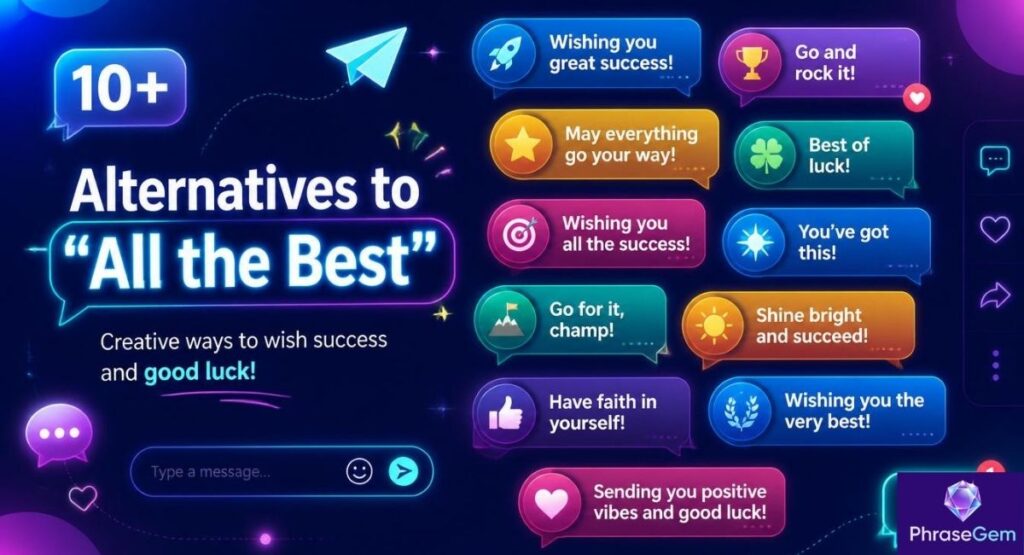
See how these alternatives actually work in real sentences. A job application? Try “Wishing you great success.” Ending a client email? “Warm regards” fits perfectly. This section shows you the right phrase for the right moment so you never second-guess yourself.
Common Mistakes to Avoid
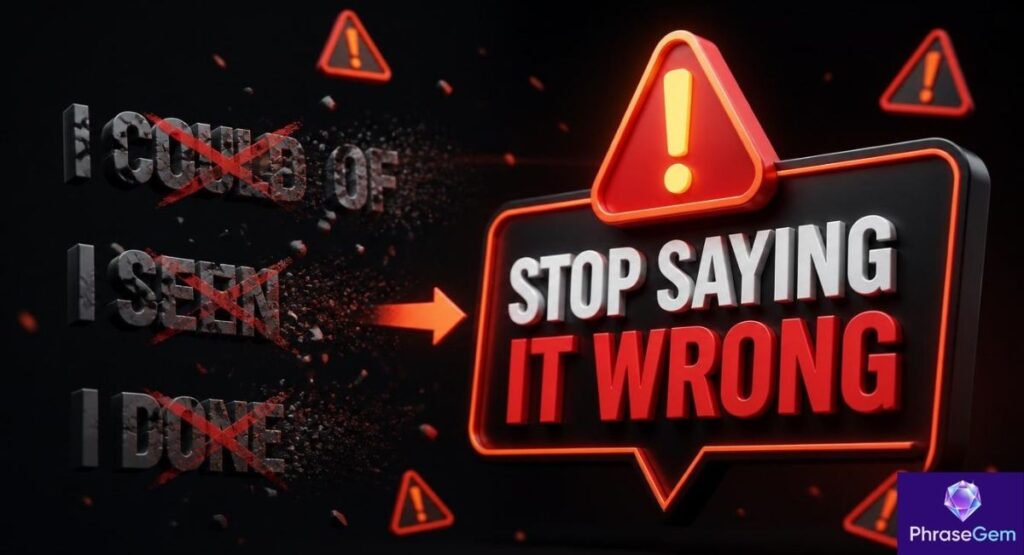
Most people either overuse “all the best” or pick something too formal for a casual chat. Don’t use heavy phrases like “I wish you the utmost success” in a text message.
Keep it simple, match your tone to the situation, and never copy-paste the same sign-off everywhere.
Bonus Section: Short, Friendly Messages to Replace “All the Best”
Sometimes you just need something quick and warm. Here are a few ready-to-use options:
- Good luck with everything!
- Hope it all goes well for you.
- Rooting for you!
- Take care and stay well.
Final Writing Tips: How to Choose the Right Alternative
Picking the right sign-off is easier than you think. Just ask yourself two things: Who am I writing to? And what is the mood of this message?
Keep these tips in mind:
- Formal email or letter? Go with “Best regards” or “Kind regards”
- Casual message to a friend? “Take care” or “Good luck” works great
- Motivating someone? Try “Rooting for you” or “Wishing you all the best”
- Not sure? “Warm wishes” is safe and friendly for almost any situation
Simple rule: the more professional the setting, the more polished your closing should be. The more personal the message, the warmer and shorter it can be.
Frequently Asked Questions
What does “all the best” mean?
It means you’re wishing someone good luck, happiness, or success in a warm and friendly way.
When should I say “all the best”?
Use it when ending a conversation, email, or message to leave someone with a positive, encouraging feeling.
Is “all the best” formal or informal?
It sits right in the middle. It works in both casual chats and professional emails without sounding too stiff or too casual.
What can I say instead of “all the best”?
You can say “best wishes,” “take care,” “warm regards,” or “good luck” depending on the situation and tone.
Is it okay to end an email with “all the best”?
Yes, absolutely. It is one of the most common and accepted ways to close a professional or friendly email.
Is “all the best” too overused?
Some people feel it is, but it still comes across as genuine and warm when used naturally and not in every single message.
Can I say “all the best” to my boss?
Yes, it is polite and professional enough to use with a manager, boss, or senior colleague without any issue.
What is a more creative way to say “all the best”?
Try something like “rooting for you,” “wishing you great things,” or “hoping everything goes your way.”
Is “all the best” used in American English?
It is more common in British English but widely understood and accepted in American English too.
Can “all the best” be used in a farewell message?
Yes, it is perfect for farewells. It wraps up the message on a warm, hopeful, and positive note.
Read Next: 28+ Funny and Unique Ways to Say “Good Morning”

Elliot Fairmont is a language enthusiast and content writer at PhraseGem.com with a passion for making English easier to understand. He specializes in English grammar, phrases, vocabulary, text slang meanings, and everyday communication. Through clear explanations and practical examples, Elliot Fairmont helps readers improve their language skills, expand their vocabulary, and communicate with greater confidence in both personal and professional settings.
When he’s not researching language trends and writing educational content, Elliot Fairmont enjoys reading, exploring modern communication styles, and discovering new ways to make learning English simple and engaging.