Writing “I hope” three times in the same email is the kind of thing nobody notices until someone points it out. Then you cannot unsee it. People write “I hope this helps,” “I hope to hear from you,” and “I hope everything goes well” in one message without thinking twice. It sounds repetitive, flat, and forgettable. Overusing “I hope” makes your writing feel lazy even when your intentions are genuine.
This article gives you 32+ fresh alternatives to “I hope” sorted by tone and situation so you always pick the right phrase. Whether you are writing a formal work email, a warm personal message, or a quick text to a friend, you will find options that actually fit. Read on and your writing will never sound copy-pasted again.
Quick Meaning: What “I Hope” Really Expresses in Daily English
“I hope” shows you want something good to happen but you’re not sure it will. It carries a warm, wishful feeling, not a promise.
You use it when you care about an outcome but have no control over it.
When Should You Use These Alternatives?
Swap “I hope” when it sounds too weak, too casual, or too repetitive. The right word depends on your tone and situation.
| Situation | Better Choice |
| Formal email | “I trust” / “I expect” |
| Friendly chat | “Fingers crossed” / “Hopefully” |
| Strong confidence | “I’m confident” / “I’m sure” |
| Polite request | “I’d love it if” / “It would be great if” |
32+ Other Ways to Say “I Hope”
Here are all the best alternatives with meaning, tone, and real examples so you can use them naturally right away.
1. “I’m wishing for…”
Meaning: You want something to happen but know it’s not in your hands.
Tone: Warm, personal, gentle
Do: Use it when you genuinely care about the result.
Don’t: Use it in formal work emails. It sounds too soft.
Tip: Works great in personal conversations and heartfelt messages.
Examples:
- I’m wishing for a smooth recovery for you.
- I’m wishing for good news from the doctor.
- I’m wishing for better days ahead for our team.
- I’m wishing for your exam results to be great.
- I’m wishing for this trip to go perfectly.
2. “I’m confident that…”
Meaning: You believe something good will happen and you feel sure about it.
Tone: Strong, professional, positive
Do: Use it when you want to sound assured and encouraging.
Don’t: Overuse it or it loses impact.
Tip: Great for work emails and professional settings.
Examples:
- I’m confident that you’ll ace the interview.
- I’m confident that this project will succeed.
- I’m confident that things will improve soon.
- I’m confident that the team can handle this.
- I’m confident that the client will love it.
3. “I trust that…”
Meaning: You have faith that something will go well based on your belief in someone or something.
Tone: Formal, calm, respectful
Do: Use it in professional emails and formal settings.
Don’t: Use it sarcastically. It changes the whole meaning.
Tip: Pairs well with formal sign-offs and business writing.
Examples:
- I trust that you will find this information helpful.
- I trust that the matter will be resolved soon.
- I trust that you are doing well.
- I trust that the team is on track.
- I trust that this decision will bring good results.
4. “I’m looking forward to…
Meaning: You feel excited or positive about something coming up.
Tone: Friendly, enthusiastic, professional
Do: Use it when something is actually planned or expected.
Don’t: Use it for uncertain situations. It implies something is already happening.
Tip: One of the most natural phrases in both casual and formal English.
Examples:
- I’m looking forward to meeting you next week.
- I’m looking forward to seeing the final results.
- I’m looking forward to working with your team.
- I’m looking forward to your feedback.
- I’m looking forward to this new chapter.
5. “I’m rooting for you.”
Meaning: You are cheering someone on and supporting them emotionally.
Tone: Casual, warm, encouraging
Do: Use it with friends, family, or someone going through something tough.
Don’t: Use it in formal or professional emails. It’s too casual.
Tip: Say this when someone needs a confidence boost before something big.
Examples:
- Your big match is tomorrow and I’m rooting for you.
- I know the interview is scary but I’m rooting for you.
- Whatever happens, I’m rooting for you all the way.
- I’m rooting for you to get that promotion.
- You’ve worked so hard and I’m rooting for you.
6. “I’m optimistic that…”
Meaning: You have a positive outlook and believe things will go well.
Tone: Upbeat, professional, thoughtful
Do: Use it when you want to sound hopeful but grounded.
Don’t: Use it when you actually feel uncertain. It should reflect real positivity.
Tip: Works well in team meetings, presentations, and reports.
Examples:
- I’m optimistic that sales will improve this quarter.
- I’m optimistic that we can finish before the deadline.
- I’m optimistic that the feedback will be positive.
- I’m optimistic that this new approach will work.
- I’m optimistic that things are heading in the right direction.
7. “I expect that…”
Meaning: You think something will happen based on logic or past experience.
Tone: Neutral, professional, direct
Do: Use it when you have a good reason to believe something will happen.
Don’t: Use it in emotional or sensitive situations. It can sound cold.
Tip: Best for business writing and professional updates.
Examples:
- I expect that the report will be ready by Friday.
- I expect that the changes will go live next week.
- I expect that you will follow the guidelines.
- I expect that the results will be positive.
- I expect that the team will deliver on time.
8. “I sincerely wish…”
Meaning: You want something good for someone from the bottom of your heart.
Tone: Warm, emotional, heartfelt
Do: Use it in thoughtful messages, cards, and meaningful moments.
Don’t: Use it casually. It carries emotional weight.
Tip: Great for wishes during illness, grief, or major life events.
Examples:
- I sincerely wish you a fast and full recovery.
- I sincerely wish things get easier for you soon.
- I sincerely wish you happiness in this new journey.
- I sincerely wish your family all the best.
- I sincerely wish this brings you the peace you deserve.
9. “I hope for the best.”
Meaning: You want the best outcome even though you’re not sure what will happen.
Tone: Calm, simple, genuine
Do: Use it when the situation is uncertain but you want to stay positive.
Don’t: Use it when someone needs strong reassurance. It sounds passive.
Tip: Good for situations where you have little control over the outcome.
Examples:
- The surgery is risky but I hope for the best.
- We submitted the proposal and now I hope for the best.
- It’s out of our hands now so I just hope for the best.
- The decision is theirs to make. I hope for the best.
- I hope for the best with your new business venture.
10. “I’m hopeful that…”
Meaning: You feel positive and expectant about something even if you’re not certain.
Tone: Gentle, sincere, optimistic
Do: Use it when you want to sound warm but realistic.
Don’t: Use it when you need to sound fully confident. It still shows some uncertainty.
Tip: A softer version of “I’m confident” that still feels positive.
Examples:
- I’m hopeful that things will improve soon.
- I’m hopeful that we’ll hear back this week.
- I’m hopeful that the test results will be good.
- I’m hopeful that this partnership will grow.
- I’m hopeful that you’ll find what you’re looking for.
Examples:
- I pray that you heal quickly and fully.
- I pray that everything works out for your family.
- I pray that you find the strength to get through this.
- I pray that the surgery goes smoothly.
- I pray that better days are coming for you.
11. “I’m keeping my fingers crossed.”
Meaning: You’re hoping for a lucky or positive outcome.
Tone: Light, casual, friendly
Do: Use it in everyday conversations when something fun or important is coming.
Don’t: Use it in serious or professional situations. It sounds too playful.
Tip: Works great in texts and casual chats with friends.
Examples:
- Your exam results come out today. I’m keeping my fingers crossed!
- We applied for the grant and I’m keeping my fingers crossed.
- I’m keeping my fingers crossed that the weather holds up.
- I’m keeping my fingers crossed for your big audition.
- I’m keeping my fingers crossed that you get the job.
12. “I expect good things to happen.”
Meaning: You believe positive outcomes are on the way.
Tone: Uplifting, positive, encouraging
Do: Use it to motivate someone or set a hopeful tone.
Don’t: Use it if the situation is clearly very difficult. It can feel out of place.
Tip: Good for motivational messages and pep talks.
Examples:
- You’ve put in the work so I expect good things to happen.
- The team is ready and I expect good things to happen.
- Based on what I’ve seen, I expect good things to happen.
- Stay positive because I expect good things to happen for you.
- I expect good things to happen now that you’ve made the change.
13. “I’m sure that…”
Meaning: You feel very certain something will go well.
Tone: Confident, reassuring, direct
Do: Use it when you genuinely feel sure and want to comfort someone.
Don’t: Use it falsely. If you’re not sure, don’t say it.
Tip: A simple and powerful phrase that gives people confidence.
Examples:
- I’m sure that you’ll do a great job tomorrow.
- I’m sure that everything will be fine.
- I’m sure that the team will pull through.
- I’m sure that your hard work will pay off.
- I’m sure that they’ll love your presentation.
14. “I’m eager to see…”
Meaning: You are excited and curious to see how something turns out.
Tone: Enthusiastic, engaged, forward-looking
Do: Use it when you’re genuinely excited about an upcoming result.
Don’t: Use it when the topic is sensitive or sad. Eagerness can feel wrong there.
Tip: Great for creative, project-based, or growth conversations.
Examples:
- I’m eager to see how your new idea takes off.
- I’m eager to see the final version of the design.
- I’m eager to see what you come up with next.
- I’m eager to see the results of your hard work.
- I’m eager to see this project come to life.
15. “I trust everything will work out.”
Meaning: You believe things will come together positively, even if it’s uncertain now.
Tone: Calm, reassuring, grounded
Do: Use it when someone is stressed and needs calm reassurance.
Don’t: Use it sarcastically or it becomes dismissive.
Tip: A great phrase to offer emotional support without false promises.
Examples:
- I know it feels tough right now but I trust everything will work out.
- Don’t worry too much. I trust everything will work out.
- You’ve handled harder things before. I trust everything will work out.
- I trust everything will work out the way it’s meant to.
- Keep going. I trust everything will work out beautifully.
16. “I’m certain that…”
Meaning: You have no doubt that something will happen.
Tone: Confident, assertive, strong
Do: Use it when you have solid reason to believe in the outcome.
Don’t: Use it carelessly. It sets a strong expectation.
Tip: Stronger than “I’m sure” so save it for when you really mean it.
Examples:
- I’m certain that this solution will fix the problem.
- I’m certain that you’re the right person for this role.
- I’m certain that the launch will be a success.
- I’m certain that your dedication will pay off.
- I’m certain that you’ll be proud of what you’ve built.
17. “I anticipate that…”
Meaning: You expect something to happen based on information or observation.
Tone: Professional, thoughtful, forward-looking
Do: Use it in formal writing, reports, and business communication.
Don’t: Use it in casual conversations. It can sound stiff.
Tip: A great word for planning and project updates.
Examples:
- I anticipate that the project will be completed on time.
- I anticipate that demand will grow in the next quarter.
- I anticipate that there will be some challenges ahead.
- I anticipate that the client will respond by Thursday.
- I anticipate that this change will bring good results.
18. “I wish you all the best.”
Meaning: You are sending someone warm, good intentions for their future.
Tone: Polite, warm, slightly formal
Do: Use it as a closing in emails, cards, or farewell messages.
Don’t: Use it mid-conversation. It sounds like a goodbye phrase.
Tip: A timeless and widely accepted phrase in both formal and informal contexts.
Examples:
- Thank you for everything and I wish you all the best.
- As you move on to your new role, I wish you all the best.
- I wish you all the best in your upcoming exams.
- It was wonderful working with you. I wish you all the best.
- I wish you all the best in this exciting new chapter.
19. “I genuinely expect good news.”
Meaning: You truly believe that positive news is coming.
Tone: Warm, sincere, optimistic
Do: Use it when you have real reason to be positive about an outcome.
Don’t: Use it when the situation is clearly very bad. It can feel out of touch.
Tip: The word “genuinely” makes it feel more human and less robotic.
Examples:
- After all your effort, I genuinely expect good news.
- I genuinely expect good news from your interview today.
- With a team like this, I genuinely expect good news.
- I genuinely expect good news when the results come in.
- I genuinely expect good news for your health check.
20. “I feel hopeful about…”
Meaning: You have a positive feeling about something even without certainty.
Tone: Honest, emotional, open
Do: Use it when you want to share your personal feeling authentically.
Don’t: Use it in very formal professional writing. It’s more of a personal tone.
Tip: “I feel” makes it sound real and human. People connect with it easily.
Examples:
- I feel hopeful about the direction this is heading.
- I feel hopeful about your recovery.
- I feel hopeful about what this team can achieve.
- I feel hopeful about the changes you’re making.
- I feel hopeful about what comes next for you.
21. “I’m expecting positive results.”
Meaning: You think good outcomes are coming based on effort or evidence.
Tone: Professional, forward-looking, confident
Do: Use it in work settings, reviews, or planning discussions.
Don’t: Use it if results are truly unpredictable. It sets expectations.
Tip: Works well after describing an action or plan.
Examples:
- After these updates, I’m expecting positive results.
- I’m expecting positive results from the new campaign.
- Based on the data, I’m expecting positive results.
- I’m expecting positive results from this strategy.
- With this level of effort, I’m expecting positive results.
22. “I’m cheering you on.”
Meaning: You are actively supporting someone and want them to win.
Tone: Enthusiastic, casual, supportive
Do: Use it with friends, colleagues, or anyone who needs a boost.
Don’t: Use it in formal emails or serious professional settings.
Tip: It feels energetic and personal. Great for texts and social messages.
Examples:
- Your big presentation is today and I’m cheering you on.
- No matter what, I’m cheering you on from here.
- I’m cheering you on every step of the way.
- I’m cheering you on through every round.
- You’ve got this and I’m cheering you on.
23. “I truly hope for your success.”
Meaning: You deeply want someone to succeed, and you mean it sincerely.
Tone: Warm, sincere, heartfelt
Do: Use it when you want to leave someone with a meaningful, caring message.
Don’t: Use it casually. The word “truly” gives it real emotional weight.
Tip: Great for mentors, managers, or close friends sending someone off.
Examples:
- You’ve grown so much and I truly hope for your success.
- As you start this new venture, I truly hope for your success.
- I truly hope for your success in everything you’re building.
- I truly hope for your success in this competitive field.
- I truly hope for your success and happiness ahead.
24. “I wish things go smoothly for you.”
Meaning: You want someone’s experience to be easy, stress-free, and without problems.
Tone: Caring, gentle, considerate
Do: Use it before someone faces a challenge, event, or transition.
Don’t: Use it after something has already gone wrong. It loses its purpose.
Tip: Simple and thoughtful. Perfect for everyday encouragement.
Examples:
- Your move is this weekend and I wish things go smoothly for you.
- I wish things go smoothly for you at your new school.
- I wish things go smoothly for you during the negotiations.
- I wish things go smoothly for you as you settle in.
- I wish things go smoothly for you on your big day.
25. “I hope things turn out beautifully.”
Meaning: You want everything to come together in a wonderful way.
Tone: Warm, poetic, emotionally rich
Do: Use it for life events, creative projects, or personal journeys.
Don’t: Use it in business or data-driven conversations. It sounds too soft.
Tip: Lovely for weddings, new beginnings, or personal milestones.
Examples:
- This is such a special moment and I hope things turn out beautifully.
- I hope things turn out beautifully for your new home.
- I hope things turn out beautifully with your relationship.
- I hope things turn out beautifully for your creative project.
- I hope things turn out beautifully in every way for you.
26. “I hope today brings good energy.”
Meaning: You want someone to have a positive, uplifting day.
Tone: Light, friendly, upbeat
Do: Use it as a daily greeting or morning message to brighten someone’s day.
Don’t: Use it in serious professional communication. It’s very casual.
Tip: Great for morning texts, social media, or quick check-ins with friends.
Examples:
- Starting your new job today? I hope today brings good energy!
- I hope today brings good energy your way after the tough week.
- I hope today brings good energy and great surprises.
- Sending you a big hug. I hope today brings good energy.
- It’s a fresh day and I hope today brings good energy to you.
27. “I hope everything falls into place.”
Meaning: You want all the moving parts of someone’s situation to come together perfectly.
Tone: Warm, understanding, hopeful
Do: Use it when someone has a lot going on and you want to encourage them.
Don’t: Use it when someone just needs a direct, practical answer.
Tip: Very comforting to hear when life feels scattered or uncertain.
Examples:
- You have so much happening right now. I hope everything falls into place.
- I hope everything falls into place for your big launch.
- Just keep going. I hope everything falls into place soon.
- I hope everything falls into place with your travel plans.
- I hope everything falls into place exactly as you’ve worked for.
28. “I hope the outcome is in your favor.”
Meaning: You want the final result or decision to go well for someone.
Tone: Supportive, slightly formal, thoughtful
Do: Use it when someone is waiting on a decision, result, or judgment.
Don’t: Use it when someone has full control of the outcome themselves.
Tip: Good for legal, medical, academic, or competitive situations.
Examples:
- The court hearing is tomorrow and I hope the outcome is in your favor.
- I hope the outcome is in your favor after all you’ve been through.
- I hope the outcome is in your favor on results day.
- Whatever happens, I hope the outcome is in your favor.
- I hope the outcome is in your favor with the appeal.
29 “I hope you get everything you’re working for.
Meaning: You want someone’s hard work to be rewarded exactly as they deserve.
Tone: Sincere, motivating, deeply personal
Do: Use it when someone has been putting in real effort toward a goal.
Don’t: Use it lightly. It sounds most powerful in meaningful moments.
Tip: Feels very personal and thoughtful. People remember this phrase.
Examples:
- You’ve been grinding for months. I hope you get everything you’re working for.
- I hope you get everything you’re working for with your business.
- All those late nights will be worth it. I hope you get everything you’re working for.
- I hope you get everything you’re working for with your studies.
- You deserve it. I hope you get everything you’re working for.
30. “May everything work out in your favor.”
Meaning: You are sending someone a sincere wish that things go well for them.
Tone: Warm, slightly formal, elegant
Do: Use it in heartfelt messages, cards, or meaningful farewells.
Don’t: Use it in quick casual texts. It has a ceremonial, thoughtful feel.
Tip: Sounds more elegant than “I hope” and leaves a lasting impression.
Examples:
- As you begin this new chapter, may everything work out in your favor.
- May everything work out in your favor with your new project.
- After all you have endured, may everything work out in your favor.
- May everything work out in your favor as you chase your dreams.
- May everything work out in your favor in the days ahead.
31. “I’m wishing you the very best outcome.”
Meaning: You want the absolute best possible result for someone.
Tone: Warm, thoughtful, caring
Do: Use it when someone is facing something important and you want to show you care.
Don’t: Use it too casually. The phrase carries intention and warmth.
Tip: The word “very best” adds extra warmth and sincerity to your wish.
Examples:
- Going into surgery tomorrow? I’m wishing you the very best outcome.
- I’m wishing you the very best outcome with your funding pitch.
- Whatever the decision, I’m wishing you the very best outcome.
- I’m wishing you the very best outcome for your child’s treatment.
- I’m wishing you the very best outcome as you take this big step.
32. “Wishing you a positive outcome ahead.”
Meaning: You want things to end well for someone who has something important coming up.
Tone: Warm, polished, thoughtful
Do: Use it when someone is waiting on a result or about to face something big.
Don’t: Use it after the event has already passed. It looks forward, not back.
Tip: Great for formal messages, emails, or cards before a big moment.
Examples:
- Your visa decision comes next week. Wishing you a positive outcome ahead.
- Wishing you a positive outcome ahead with your business proposal.
- The interview is tomorrow and I’m wishing you a positive outcome ahead.
- Wishing you a positive outcome ahead as you wait for the test results.
- Wishing you a positive outcome ahead in all you are working toward.
33. “Hoping things go exactly as planned for you.”
Meaning: You want someone’s efforts and preparations to pay off without any surprises or setbacks.
Tone: Caring, encouraging, genuine
Do: Use it when someone has prepared hard and deserves things to go smoothly.
Don’t: Use it when the situation is chaotic or unplanned. It needs a planning context.
Tip: This phrase feels personal because it acknowledges the person actually put in work.
Examples:
- You’ve prepared so well. Hoping things go exactly as planned for you.
- Hoping things go exactly as planned for you on your wedding day.
- Big product launch tomorrow. Hoping things go exactly as planned for you.
- Hoping things go exactly as planned for you during your move this weekend.
- You’ve got every detail covered. Hoping things go exactly as planned for you.
Difference Between Formal vs Informal Usage
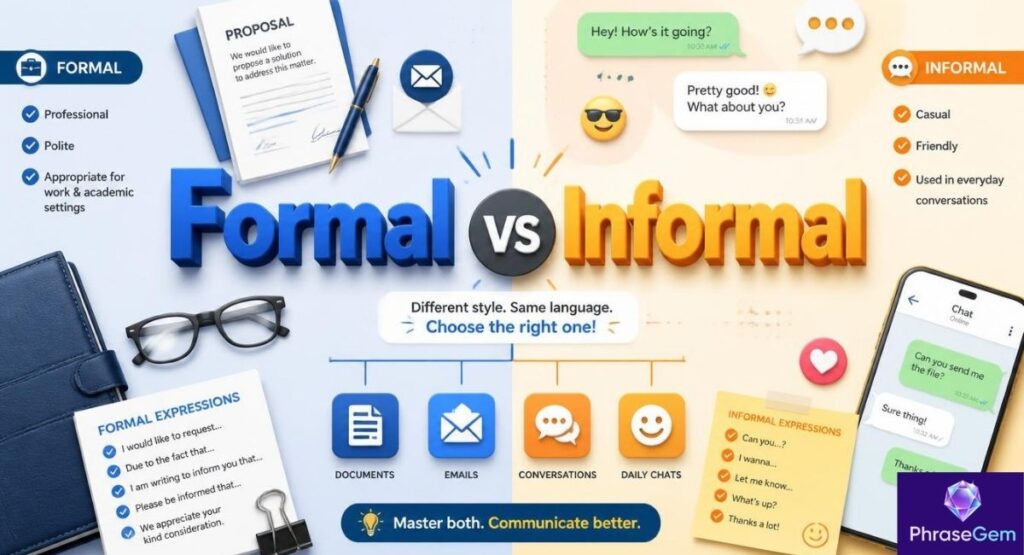
The setting decides your word choice. Use the wrong tone and your message feels off even if the words are correct.
| Situation | Formal | Informal |
| Work email | “I trust that…” | “Fingers crossed!” |
| Client message | “I anticipate…” | “Hoping for the best!” |
| Job application | “I’m confident that…” | “I’m rooting for you” |
| Friend chat | too stiff | “I’m cheering you on” |
Common Mistakes People Make
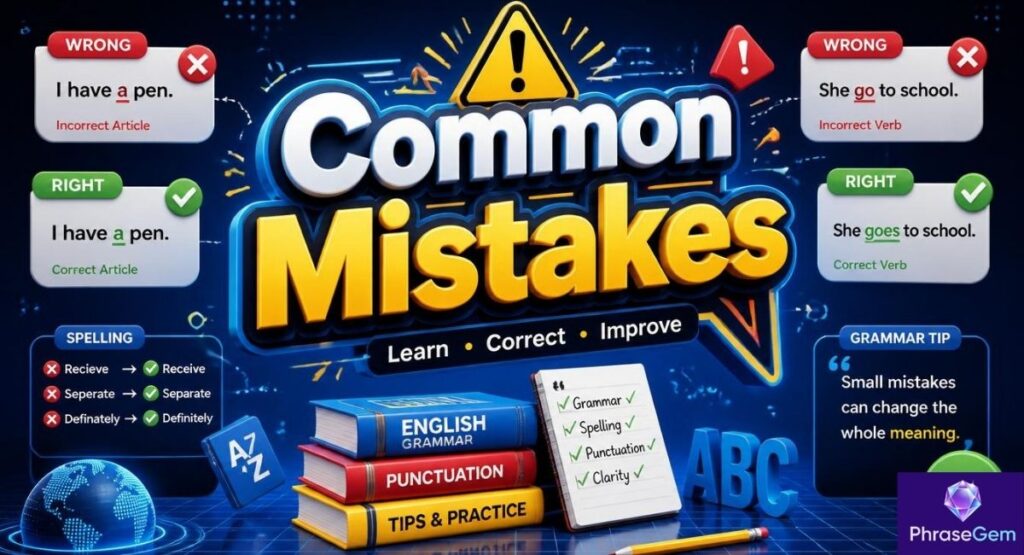
Most people overuse “I hope” without thinking. Here is what goes wrong:
- Using “I hope” in formal emails where “I trust” or “I expect” sounds stronger
- Using casual phrases like “fingers crossed” in professional settings
- Repeating “I hope” three or four times in the same message
- Using confident phrases like “I’m certain” when you actually are not sure
- Saying “I wish” when talking about something that can still happen (“I hope” is correct there)
Bonus Section: Short, Polite Alternatives to “I Hope”
Need something quick? These work in one line.
| Short Alternative | Best For |
| “Best of luck!” | Casual and friendly |
| “Wishing you well.” | Polite and neutral |
| “Fingers crossed!” | Light and fun |
| “All the best.” | Formal sign-off |
| “Sending good vibes.” | Warm and modern |
| “Here’s hoping!” | Casual and upbeat |
Final Writing Tips
Keep it simple, keep it real. A few things worth remembering before you write:
- Match your phrase to your tone. Formal situations need formal words.
- Do not stack hope phrases. One strong phrase beats three weak ones.
- The more personal your phrase, the more it lands. Generic feels forgettable.
- When in doubt, “I hope” is always safe. These alternatives just give you more range.
Frequently Asked Questions
What does “I hope” mean in English?
It means you want something good to happen but you are not fully sure it will.
What is a more formal way to say “I hope”?
You can say “I trust that” or “I anticipate that” in formal emails and professional writing.
What is a casual alternative to “I hope”?
“Fingers crossed” or “I’m rooting for you” works perfectly in friendly and everyday conversations.
Can I use “I hope” in a professional email?
Yes you can but phrases like “I expect” or “I’m confident that” sound stronger and more professional.
What is the difference between “I hope” and “I wish”?
“I hope” is for things that can still happen. “I wish” is usually for things that are unlikely or already past.
How do you express hope without saying “I hope”?
You can say “I’m optimistic that” or “I’m looking forward to” or simply “I trust everything will work out.”
Is “I hope” too weak for business writing?
It can feel soft in business writing. Replacing it with “I expect” or “I’m confident” makes your message sound more assured.
What are short ways to wish someone good luck?
“All the best,” “Wishing you well,” and “Fingers crossed” are all short and natural ways to do it.
How do you say “I hope” in a heartfelt way?
Try “I sincerely wish” or “I truly hope for your success” when you want your words to carry real emotional warmth.
What is the best alternative to “I hope” for an email sign-off?
“Wishing you all the best” or “I trust everything will go well” are both polished and warm ways to close an email.
Read Next : What Does RS Mean in Text? Slang Meaning, Usage & Replies

Elliot Fairmont is a language enthusiast and content writer at PhraseGem.com with a passion for making English easier to understand. He specializes in English grammar, phrases, vocabulary, text slang meanings, and everyday communication. Through clear explanations and practical examples, Elliot Fairmont helps readers improve their language skills, expand their vocabulary, and communicate with greater confidence in both personal and professional settings.
When he’s not researching language trends and writing educational content, Elliot Fairmont enjoys reading, exploring modern communication styles, and discovering new ways to make learning English simple and engaging.