
Saying “get well soon” for the third time this week to the same person starts to feel hollow, even when you mean it. Whether you’re writing a message to a sick coworker, a close friend recovering from surgery, or a family member going through something serious, that one overused phrase does the work but none of the feeling. It sounds copied and pasted. It sounds like you did not think twice.
This article gives you 31+ alternatives to “get well soon” organized by tone, situation, and relationship type. Some are warm and personal. Some are professional and clean. By the end, you will know exactly which words to use and when, so your message actually lands the way you intended it to.
Why “Get Well Soon” Matters More Than You Think
A simple “get well soon” tells someone you care. It lifts their mood when they feel their worst. Studies show emotional support actually speeds up recovery. So yes, your words have real healing power.
When Should You Use These Alternatives?
Use a different phrase when the standard one feels too generic or too light for the situation.
| Situation | Better Choice |
| Serious illness | “I’m here for whatever you need” |
| Mental health struggles | “Take all the time you need” |
| Chronic condition | “Thinking of you always” |
| Close friend or family | Something personal and heartfelt |
| Coworker or acquaintance | Keep it warm but professional |
31+ Other Ways to Say “Get Well Soon”
1. “Wishing you a speedy recovery”
Meaning: You hope they heal fast and get back to normal life soon.
Tone: Warm, sincere, universally appropriate
Do: Use this for colleagues, friends, or anyone going through surgery or illness.
Don’t: Use it for someone with a long-term or chronic condition as it may feel dismissive.
Tip: Pair it with a small gesture like flowers or a card to make it feel more personal.
Examples:
- “Wishing you a speedy recovery after your surgery!”
- “We’re all wishing you a speedy recovery at the office.”
- “Heard you’re under the weather. Wishing you a speedy recovery!”
- “Sending love and wishing you a speedy recovery, friend.”
- “Get some rest. Wishing you a speedy recovery soon.”
2. “Hope you feel better soon”
Meaning: A casual and caring way to say you want their discomfort to end quickly.
Tone: Casual, friendly, light
Do: Use it for minor illnesses like a cold, flu, or headache.
Don’t: Use it for serious medical situations as it can sound too casual.
Tip: Add their name to make it feel more personal and genuine.
Examples:
- “Aw, hope you feel better soon!”
- “Take some rest. Hope you feel better soon!”
- “Heard you’ve been sick. Hope you feel better soon.”
- “Sending hugs. Hope you feel better soon, Sara!”
- “Miss you already. Hope you feel better soon.”
3. “Sending healing thoughts your way”
Meaning: You are thinking about them and sending positive energy for their recovery.
Tone: Gentle, spiritual, emotionally warm
Do: Use this for someone going through emotional pain or physical illness both.
Don’t: Overuse it as it can start to sound like a formality.
Tip: Works beautifully in a handwritten card or a heartfelt text message.
Examples:
- “Sending healing thoughts your way every single day.”
- “You’re in my mind. Sending healing thoughts your way.”
- “Not sure what to say but sending healing thoughts your way.”
- “Sending healing thoughts your way. You’ve got this.”
- “Thinking of you and sending healing thoughts your way always.”
4. “Take all the time you need to recover”
Meaning: No rush. Their health comes first and you fully support their pace.
Tone: Patient, reassuring, supportive
Do: Use this when someone feels guilty about being away from work or responsibilities.
Don’t: Use it if a deadline or urgency is genuinely involved as it may create confusion.
Tip: Best said to a friend or coworker who is under pressure to return quickly.
Examples:
- “Don’t rush back. Take all the time you need to recover.”
- “Work can wait. Take all the time you need to recover.”
- “We’ve got things covered. Take all the time you need.”
- “Your health matters most. Take all the time you need.”
- “No pressure at all. Take all the time you need to recover.”
5. “Wishing you strength and comfort”
Meaning: You want them to feel both physically strong and emotionally at ease.
Tone: Deep, sincere, emotionally rich
Do: Use this for someone dealing with a serious illness or a difficult recovery.
Don’t: Use it for a simple cold as it may sound too heavy for the situation.
Tip: This phrase works great in a sympathy card or a thoughtful message.
Examples:
- “Wishing you strength and comfort through this tough time.”
- “This is hard but I’m wishing you strength and comfort.”
- “Sending love and wishing you strength and comfort always.”
- “Wishing you strength and comfort as you heal day by day.”
- “You are not alone. Wishing you strength and comfort.”
6. “Hope each day brings you improvement”
Meaning: You want their condition to get a little better with every passing day.
Tone: Optimistic, gentle, thoughtful
Do: Use this for someone with a slow or long recovery process.
Don’t: Use it when the illness is very short term as it can sound overly serious.
Tip: A great line to include in a follow-up message a few days after they got sick.
Examples:
- “Hope each day brings you improvement and a little more energy.”
- “Checking in. Hope each day brings you improvement!”
- “Recovery takes time. Hope each day brings you improvement.”
- “Thinking of you and hoping each day brings you improvement.”
- “Stay strong. Hope each day brings you improvement and peace.”
7. “Thinking of you and wishing you well”
Meaning: You have them on your mind and genuinely want good things for their health.
Tone: Warm, caring, safe for all relationships
Do: Use this for anyone including acquaintances, coworkers, or distant relatives.
Don’t: Lean on this too much with close ones as it can feel a bit distant.
Tip: Short and sweet. Perfect for a quick text or a social media comment.
Examples:
- “Thinking of you and wishing you well through your recovery.”
- “Just a note to say I’m thinking of you and wishing you well.”
- “Heard the news. Thinking of you and wishing you well.”
- “Always thinking of you and wishing you well, dear friend.”
- “Sending a big hug. Thinking of you and wishing you well.”
8. “May you recover quickly and comfortably”
Meaning: You hope their healing is both fast and free from pain or stress.
Tone: Formal, elegant, polished
Do: Use this in written cards, emails, or professional messages.
Don’t: Use it in casual conversations as it may sound a little stiff.
Tip: Great for professional settings where you want to sound caring but appropriate.
Examples:
- “May you recover quickly and comfortably. We’re all rooting for you.”
- “Sending good wishes. May you recover quickly and comfortably.”
- “May you recover quickly and comfortably after your procedure.”
- “Wishing you the best. May you recover quickly and comfortably.”
- “May you recover quickly and comfortably and return stronger.”
9. “Sending you warm wishes for healing”
Meaning: You are passing along positive and caring energy to support their recovery.
Tone: Tender, nurturing, heartfelt
Do: Use this when you want to sound caring without being too intense or heavy.
Don’t: Use it repeatedly with the same person as it may start to feel scripted.
Tip: Combine it with a personal memory or inside joke to make it feel truly warm.
Examples:
- “Sending you warm wishes for healing and better days ahead.”
- “From our whole family, sending you warm wishes for healing.”
- “Sending you warm wishes for healing every single morning.”
- “You mean so much to us. Sending you warm wishes for healing.”
- “Rest up and know we are sending you warm wishes for healing.”
10. “Hope your recovery is smooth”
Meaning: You wish that healing comes without complications, pain, or setbacks.
Tone: Calm, practical, straightforward
Do: Use this after a surgery or medical procedure where recovery is a process.
Don’t: Skip the personal touch as the phrase alone can feel a little plain.
Tip: Add a follow-up line like “I’m here if you need anything” to warm it up.
Examples:
- “Hope your recovery is smooth and quick.”
- “Thinking of you. Hope your recovery is smooth.”
- “After your operation, hope your recovery is smooth.”
- “Hope your recovery is smooth and you’re back soon.”
- “We’re all rooting for you. Hope your recovery is smooth.”
11. “Take good care of yourself”
Meaning: A gentle reminder to rest, eat well, and put their health first.
Tone: Caring, personal, easy-going
Do: Use this when wrapping up a conversation with someone who is unwell.
Don’t: Use it as the only thing you say as it may seem like you’re in a hurry.
Tip: It works perfectly as a closing line after a longer caring message.
Examples:
- “Rest up and take good care of yourself, okay?”
- “You’ve got this. Just take good care of yourself.”
- “No rushing. Take good care of yourself first.”
- “Sending love. Take good care of yourself always.”
- “Talk soon. Take good care of yourself in the meantime.”
12. “Looking forward to seeing you healthy again”
Meaning: You miss them and cannot wait until they are fully back to their best self.
Tone: Uplifting, personal, forward-looking
Do: Use this with close friends or family members you genuinely miss.
Don’t: Say this to someone with a chronic illness as it may create pressure.
Tip: Follow it up with a fun plan like “Let’s catch up when you’re better!”
Examples:
- “Really looking forward to seeing you healthy again soon.”
- “Miss you loads. Looking forward to seeing you healthy again.”
- “Rest well. I’m looking forward to seeing you healthy again.”
- “Can’t wait to hang out. Looking forward to seeing you healthy again.”
- “Just focus on healing. Looking forward to seeing you healthy again.”
13. “Wishing you comfort and peace”
Meaning: You want them to feel calm, pain-free, and emotionally settled during recovery.
Tone: Gentle, soulful, deeply caring
Do: Use this for someone going through emotional recovery or mental health challenges. Don’t: Use it lightly as it carries emotional weight and deserves a sincere context.
Tip: This pairs beautifully with a thoughtful gift like a candle or a comfort basket.
Examples:
- “Wishing you comfort and peace through every hard moment.”
- “You deserve rest. Wishing you comfort and peace today.”
- “Sending love and wishing you comfort and peace always.”
- “Wishing you comfort and peace as you take it one day at a time.”
- “No matter what today brings, wishing you comfort and peace.”
14. “Hope you’re back to full strength soon”
Meaning: You want them to fully recover and feel as strong and energetic as before.
Tone: Encouraging, active, motivating
Do: Use this for athletes, physically active people, or after a physical injury.
Don’t: Use it if the person may not fully recover as it can feel insensitive.
Tip: Great for gym friends, sports teammates, or anyone who values their physical health.
Examples:
- “Hope you’re back to full strength soon, champ!”
- “Rest now. Hope you’re back to full strength soon.”
- “The team misses you. Hope you’re back to full strength soon.”
- “You’re tough. Hope you’re back to full strength soon.”
- “Take it slow. Hope you’re back to full strength soon.”
15. “Sending positive thoughts for your recovery”
Meaning: You are actively channeling good energy and hope toward their healing.
Tone: Upbeat, supportive, modern
Do: Use this when you want to sound positive without being overly religious or formal.
Don’t: Use it as a replacement for actual support when someone needs real help.
Tip: Works great as a social media comment or a quick text to show you care.
Examples:
- “Sending positive thoughts for your recovery every day.”
- “Just checking in and sending positive thoughts for your recovery.”
- “Heard the news. Sending positive thoughts for your recovery.”
- “You’ve got this. Sending positive thoughts for your recovery.”
- “Sending positive thoughts for your recovery and a big virtual hug.”
16. “Rest well and heal quickly”
Meaning: A direct and caring push to slow down, rest properly, and recover fast.
Tone: Straightforward, warm, practical
Do: Use this for someone who tends to overwork or push through illness without resting.
Don’t: Make it sound like an order. Keep your tone soft and caring.
Tip: Add a line like “Switch your phone off for a bit!” to keep it light and fun.
Examples:
- “Rest well and heal quickly. We need you back!”
- “No emails today. Rest well and heal quickly.”
- “Doctor’s orders and mine too. Rest well and heal quickly.”
- “Rest well and heal quickly. I’ll bring soup tomorrow.”
- “Just rest well and heal quickly. Everything else can wait.”
17. “Wishing you better days ahead”
Meaning: You believe brighter and healthier days are coming for them very soon.
Tone: Hopeful, optimistic, forward-thinking
Do: Use this for someone going through a difficult illness or emotional low point. Don’t: Use it sarcastically or casually as it carries genuine emotional meaning.
Tip: Works well both for physical illness and emotional recovery equally.
Examples:
- “This is tough but wishing you better days ahead.”
- “Stay strong. Wishing you better days ahead always.”
- “Wishing you better days ahead starting right now.”
- “You deserve happiness. Wishing you better days ahead.”
- “Sending love and wishing you better days ahead, always.”
18. “Hope you’re feeling stronger every day”
Meaning: You want their recovery to be progressive with steady daily improvements.
Tone: Encouraging, steady, realistic
Do: Use this for someone in a longer recovery who needs ongoing encouragement.
Don’t: Use it if their condition is serious and strength may not be returning easily.
Tip: A great phrase for a follow-up message a week or two into their recovery.
Examples:
- “Hope you’re feeling stronger every day. Thinking of you.”
- “Just checking in. Hope you’re feeling stronger every day.”
- “Recovery is a journey. Hope you’re feeling stronger every day.”
- “Sending love and hoping you’re feeling stronger every day.”
- “Hope you’re feeling stronger every day. We’re here for you.”
19. “Sending care and best wishes”
Meaning: You want them to feel looked after and you are genuinely rooting for them.
Tone: Polished, warm, safe for all settings
Do: Use this in professional emails, greeting cards, or group messages.
Don’t: Rely on it alone in close relationships as it can feel a little distant.
Tip: A reliable go-to phrase when you are not sure what exactly to say.
Examples:
- “Sending care and best wishes to you and your family.”
- “From all of us, sending care and best wishes your way.”
- “Heard you’re not well. Sending care and best wishes.”
- “Sending care and best wishes for a smooth recovery.”
- “Always in our thoughts. Sending care and best wishes.”
20. “Hope you’re getting plenty of rest”
Meaning: You care about their recovery and want to make sure they are actually resting.
Tone: Nurturing, gentle, motherly or fatherly
Do: Use this for someone you know tends to keep busy even when they should be resting.
Don’t: Use it in a way that sounds like a lecture or a reminder they did not ask for.
Tip: Pair it with something lighthearted like “Netflix counts as rest, right?”
Examples:
- “Hope you’re getting plenty of rest and not checking emails.”
- “Switch off for a bit. Hope you’re getting plenty of rest.”
- “Hope you’re getting plenty of rest and eating well too.”
- “No work allowed. Hope you’re getting plenty of rest today.”
- “Hope you’re getting plenty of rest. You really deserve it.”
21. “May your healing be quick”
Meaning: A short and sincere wish for fast recovery with warmth behind it.
Tone: Simple, heartfelt, slightly poetic
Do: Use this in a card, note, or short message when you want to keep things brief.
Don’t: Use it as your only line in a close relationship. Add a personal touch too.
Tip: Works well paired with “and your spirit remain strong” for added depth.
Examples:
- “May your healing be quick and your spirit strong.”
- “We’re all thinking of you. May your healing be quick.”
- “May your healing be quick. You’re tougher than this.”
- “Sending love your way. May your healing be quick.”
- “May your healing be quick and your recovery smooth.”
22. “Wishing you renewed health”
Meaning: You hope they come out of this feeling refreshed, restored, and fully well.
Tone: Formal, elegant, uplifting
Do: Use this in professional settings or when writing a formal get-well card.
Don’t: Use it in casual chats as it can sound a little stiff or old-fashioned.
Tip: Combine it with “and energy” at the end to make it feel more complete and modern.
Examples:
- “Wishing you renewed health and energy very soon.”
- “With warm regards, wishing you renewed health and wellness.”
- “Wishing you renewed health after this difficult time.”
- “From our whole team, wishing you renewed health soon.”
- “Wishing you renewed health and brighter days ahead.”
23. “Hope you’re on the mend”
Meaning: A classic British-style phrase meaning you hope they are already starting to recover.
Tone: Casual, friendly, natural, conversational
Do: Use this in everyday conversations or text messages with people you know well.
Don’t: Use it in formal or professional contexts as it sounds too informal.
Tip: It implies recovery is already happening which feels very encouraging and positive.
Examples:
- “Hey! Hope you’re on the mend after that rough week.”
- “Haven’t seen you around. Hope you’re on the mend!”
- “Heard you were ill. Hope you’re on the mend now.”
- “Just checking in. Hope you’re on the mend today.”
- “Hope you’re on the mend and feeling a bit like yourself again.”
24. “Thinking of you during your recovery”
Meaning: You want them to know they are not alone and you are with them in spirit.
Tone: Tender, personal, emotionally reassuring
Do: Use this when someone is going through a tough or isolating recovery period.
Don’t: Say it without meaning it. It carries emotional weight so say it sincerely.
Tip: Follow up with a specific offer like “Call me if you want company” to make it real.
Examples:
- “Thinking of you during your recovery every single day.”
- “You’re never alone. Thinking of you during your recovery.”
- “Just wanted you to know I’m thinking of you during your recovery.”
- “Sending love and thinking of you during your recovery.”
- “Thinking of you during your recovery and sending all my love.”
25. “Hope healing comes quickly”
Meaning: A simple and sincere wish that the recovery process does not take too long.
Tone: Brief, genuine, easy to use
Do: Use this when you want to keep your message short but meaningful.
Don’t: Use it as a standalone message for someone going through something very serious.
Tip: Great for a card filler or a closing line in a longer heartfelt message.
Examples:
- “Hope healing comes quickly and you’re back soon.”
- “Sending good vibes. Hope healing comes quickly.”
- “We miss you. Hope healing comes quickly for you.”
- “Take it easy and hope healing comes quickly.”
- “Hope healing comes quickly. You deserve a smooth recovery.”
26. “Wishing you comfort as you heal”
Meaning: You want them to feel at ease and free from pain while their body recovers.
Tone: Gentle, empathetic, soothing
Do: Use this for someone dealing with pain, surgery recovery, or emotional exhaustion.
Don’t: Rush past this phrase. Let it stand alone or pair it with something equally warm.
Tip: A perfect line for a sympathy card that is recovery-focused rather than grief-focused.
Examples:
- “Wishing you comfort as you heal day by day.”
- “This is hard. Wishing you comfort as you heal.”
- “Sending warmth and wishing you comfort as you heal.”
- “Wishing you comfort as you heal and peace as you rest.”
- “You are loved. Wishing you comfort as you heal always.”
27. “Hope you’re feeling a little better today”
Meaning: Even a small improvement matters and you genuinely want to know they are okay.
Tone: Soft, caring, check-in style
Do: Use this as a follow-up message the next day or a few days into their illness.
Don’t: Use it as a first message as it implies you already know they were sick.
Tip: This works wonderfully as a morning text to someone you check in on regularly.
Examples:
- “Good morning! Hope you’re feeling a little better today.”
- “Just thinking of you. Hope you’re feeling a little better today.”
- “Sending a gentle hug. Hope you’re feeling a little better today.”
- “Hope you’re feeling a little better today than yesterday.”
- “Day by day. Hope you’re feeling a little better today.”
28. “Take it easy and recover well”
Meaning: Slow down, do not rush, and let your body do what it needs to do to heal.
Tone: Relaxed, casual, supportive
Do: Use this for someone who is clearly overworking themselves even while sick.
Don’t: Say it dismissively. Make sure the warmth in your voice or words comes through.
Tip: Perfect for a coworker or a friend who never seems to properly switch off.
Examples:
- “Take it easy and recover well. The work will wait.”
- “No heroics needed. Take it easy and recover well.”
- “Take it easy and recover well. We’ve got things covered.”
- “Seriously though, take it easy and recover well this week.”
- “Take it easy and recover well. That is your only job right now.”
29. “Wishing you a gentle recovery”
Meaning: You hope the healing process is smooth, calm, and free from pain or stress.
Tone: Poetic, soothing, compassionate
Do: Use this for someone facing a hard or painful recovery where gentleness matters.
Don’t: Use it for a simple cold as it carries more emotional depth than needed.
Tip: The word “gentle” adds a layer of care that makes this phrase feel very thoughtful.
Examples:
- “Wishing you a gentle recovery and peaceful rest.”
- “This was tough. Wishing you a gentle recovery ahead.”
- “Sending all my love and wishing you a gentle recovery.”
- “Wishing you a gentle recovery. You’ve been through a lot.”
- “Wishing you a gentle recovery and brighter days very soon.”
30. “Hope you’re back to feeling like yourself soon”
Meaning: You miss the real them and want them to return to their normal happy self.
Tone: Personal, warm, relatably human
Do: Use this for close friends or family who have been unwell for a while.
Don’t: Use it for someone with a lifelong condition as it may not apply to their situation.
Tip: This phrase works especially well after mental health struggles or burnout recovery.
Examples:
- “Miss you! Hope you’re back to feeling like yourself soon.”
- “Take your time. Hope you’re back to feeling like yourself soon.”
- “The world needs you. Hope you’re back to feeling like yourself soon.”
- “Hope you’re back to feeling like yourself soon. We all miss you.”
- “Sending love. Hope you’re back to feeling like yourself soon.”
31. “Hoping for your quick and gentle recovery”
Meaning: You want them to heal fast but also without any pain or difficulties along the way.
Tone: Caring, balanced, thoughtful
Do: Use this in cards, emails, or messages where you want to sound both warm and sincere.
Don’t: Use it without meaning it. This phrase carries real emotional sincerity.
Tip: The combination of “quick” and “gentle” together makes this phrase feel very complete.
Examples:
- “Hoping for your quick and gentle recovery from surgery.”
- “Sending prayers and hoping for your quick and gentle recovery.”
- “With all my heart, hoping for your quick and gentle recovery.”
- “Hoping for your quick and gentle recovery. You’ve got this.”
- “From all of us, hoping for your quick and gentle recovery.”
32. “Sending you comfort and strength for the days ahead”
Meaning: You want them to feel supported both emotionally and physically as they recover.
Tone: Deep, meaningful, emotionally powerful
Do: Use this for someone facing a long or difficult recovery journey ahead of them.
Don’t: Use it casually as it carries real emotional weight and deserves a genuine moment.
Tip: This is one of the most powerful phrases on this list. Save it for when it truly matters.
Examples:
- “Sending you comfort and strength for the days ahead. Always.”
- “This will not be easy but sending you comfort and strength for the days ahead.”
- “You are braver than you know. Sending you comfort and strength for the days ahead.”
- “Sending you comfort and strength for the days ahead and beyond.”
- “Every single day, sending you comfort and strength for the days ahead.”
Email Templates for Get Well Soon Messages
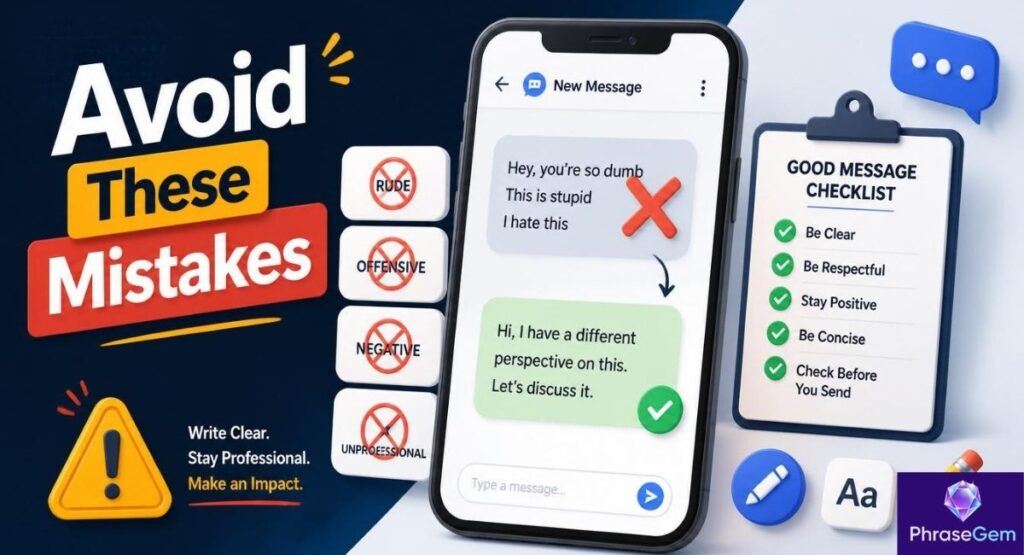
Here are ready-to-use templates for different situations:
For a Colleague: Subject: Wishing You a Speedy Recovery
Hi [Name], just heard you are not feeling well. Please take all the time you need to rest and recover. We have everything covered here. Wishing you a smooth and quick recovery. Take care!
For a Close Friend: Subject: Thinking of You
Hey [Name], I miss you and I just wanted to check in. Please do not push yourself. Rest, eat well, and let your body heal. I am here if you need anything at all. Feel better soon!
For a Family Member: Subject: Get Well Soon, We Love You
Dear [Name], you are always in our thoughts. Please focus on getting better and do not worry about anything else. We are here for you every step of the way. Sending all our love.
Things to Avoid When Writing Get Well Soon Messages
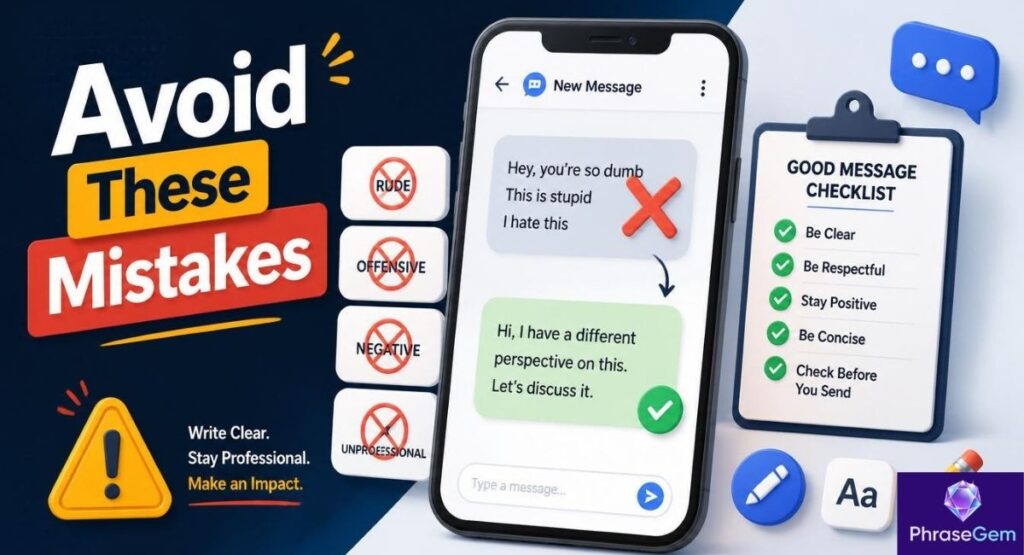
A few honest mistakes people make without realising it:
| Avoid This | Why It Hurts |
| “At least it is not serious” | Dismisses their pain |
| “I know exactly how you feel” | Makes it about you |
| “You will be fine” | Feels like you are brushing it off |
| Sharing your own illness story | Shifts the focus away from them |
| Asking too many questions | Feels overwhelming when they are weak |
Keep it simple, warm, and all about them.
Bonus Section: Short Polite Messages You Can Send
Sometimes short is best. Here are quick messages ready to copy and send:
- “Thinking of you. Rest well.”
- “Hope today is a little easier than yesterday.”
- “You are in my thoughts. Take good care.”
- “Wishing you peace and healing today.”
- “Rest up. We miss you already.”
- “Sending good vibes your way.”
- “Hope you feel like yourself again very soon.”
Final Writing Tips
Writing a get well message does not need to be perfect. It just needs to be real.
- Keep it short, warm, and focused on the person
- Always offer something specific like “I can drop off food” instead of just “let me know if you need anything”
- Match your tone to your relationship. Formal for coworkers, personal for close ones
- Avoid making their illness about you or your experiences
- Send it sooner rather than later. A late message still matters but an early one feels better
The best message is the one that makes them feel seen, supported, and less alone.
Frequently Asked Questions
What is a good thing to say instead of get well soon?
Try “Wishing you a speedy recovery” or “Thinking of you and sending healing thoughts.” Both feel warmer and more personal.
How do you wish someone a speedy recovery?
Keep it simple and sincere. Say “I hope each day brings you a little more strength” or “Wishing you comfort and a smooth recovery.”
What do you text someone who is sick?
Send something short and warm like “Hey, just checking in. Hope you’re resting and feeling better soon. I’m here if you need anything.”
Is it okay to say get well soon to someone in the hospital?
Yes but pair it with something more personal like “Thinking of you every day. Wishing you a gentle and quick recovery.”
What to write in a get well soon card?
Write something real. Try “You mean so much to us and we are all rooting for you. Take all the time you need to heal.”
How do you comfort someone who is seriously ill?
Skip the advice and just show up emotionally. Say “I am here for you no matter what. You do not have to go through this alone.”
What is a professional way to say get well soon?
In a work setting say “Wishing you a smooth recovery. Please take all the time you need and do not worry about things here.”
What do you say to someone recovering from surgery?
Say “Hope your recovery is smooth and comfortable. Take it easy and let your body do its thing. We are all thinking of you.”
How do you say get well soon in a heartfelt way?
Make it personal. Try “I wish I could be there with you right now. Sending you all my love and hoping you feel better very soon.”
What should you not say to someone who is sick?
Avoid “I know how you feel” or “At least it is not worse.” These can feel dismissive. Stick to listening and simple words of care.
Read Next : ATP Meaning Text: What It Really Means in Messages, Social Media, and Everyday Chats

Elliot Fairmont is a language enthusiast and content writer at PhraseGem.com with a passion for making English easier to understand. He specializes in English grammar, phrases, vocabulary, text slang meanings, and everyday communication. Through clear explanations and practical examples, Elliot Fairmont helps readers improve their language skills, expand their vocabulary, and communicate with greater confidence in both personal and professional settings.
When he’s not researching language trends and writing educational content, Elliot Fairmont enjoys reading, exploring modern communication styles, and discovering new ways to make learning English simple and engaging.