You’ve typed “thank you for your quick response” three times today alone and it’s only 11am. Whether you’re replying to a client who sent over a contract, a colleague who answered your urgent question, or a recruiter who got back to you within the hour, that one phrase keeps showing up. And when the same words appear in every email, they stop meaning anything. You don’t sound grateful. You sound like an auto-reply.
This article gives you 27+ fresh alternatives to thank you for your quick response, sorted by tone and situation so you always pick the right one. From formal professional emails to casual workplace chats, every phrase here is ready to use. Read on and you’ll never default to the same tired line again.
Quick Guide to Saying “Thank You for Your Quick Response”
This guide gives you simple, ready-to-use phrases to replace the overused “thank you for your quick response.
” Whether you’re writing a work email or a casual message, you’ll find better words that sound more natural and leave a better impression. Each phrase fits a different mood, so you always say exactly what you mean.
When Should You Use These Alternatives?
Use them when your default “thank you” starts feeling robotic or repetitive. A few good moments:
- When you want to sound more professional or warm
- When the context is urgent and you want to highlight that
- When you’re writing to a client, boss, or someone new
| Situation | Best Tone to Use |
| Formal email to a client | Professional and polished |
| Reply to a colleague | Friendly and casual |
| Customer support response | Warm and appreciative |
| Urgent work matter | Direct and sincere |
27+ Other Ways to Say “Thank You for Your Quick Response”
1. “Thank you for getting back to me so quickly.”
Meaning: You’re thanking someone for replying fast, without making them wait.
Do: Use this with coworkers, clients, or managers in a professional email.
Don’t: Use it for casual texts with friends, it sounds too formal there.
Tip: Add the reason you needed a fast reply to make it feel genuine.
Tone: Polite and professional.
Examples:
- Thank you for getting back to me so quickly, this really helps with my deadline.
- Thank you for getting back to me so quickly on the contract details.
- Thank you for getting back to me so quickly, I was worried about the timing.
- Thank you for getting back to me so quickly regarding the invoice.
- Thank you for getting back to me so quickly, it means a lot.
2. “I appreciate your prompt reply.”
Meaning: A formal way to thank someone for not delaying their answer.
Do: Use in business emails or formal letters.
Don’t: Use with close friends or family, it feels stiff.
Tip: Works well as an opening line before you ask another question.
Tone: Formal.
Examples:
- I appreciate your prompt reply regarding the meeting schedule.
- I appreciate your prompt reply to my last email.
- I appreciate your prompt reply on such short notice.
- I appreciate your prompt reply about the budget changes.
- I appreciate your prompt reply, it saved us a lot of time.
3. “Thanks for the quick reply.”
Meaning: A short, casual way to thank someone for replying fast.
Do: Use in everyday work chats or emails with colleagues.
Don’t: Use in very formal letters to senior executives, it’s too casual.
Tip: Great for Slack messages or quick email replies.
Tone: Casual and friendly.
Examples:
- Thanks for the quick reply, I’ll update the file now.
- Thanks for the quick reply, that clears things up.
- Thanks for the quick reply on the order status.
- Thanks for the quick reply about the meeting time.
- Thanks for the quick reply, you’re a lifesaver.
4. “Thank you for responding so promptly.”
Meaning: You’re noting that someone replied without any delay.
Do: Use in professional settings where punctuality matters.
Don’t: Overuse it in casual chats, it can sound robotic.
Tip: Pair it with a specific detail about what they responded to.
Tone: Professional.
Examples:
- Thank you for responding so promptly to my request.
- Thank you for responding so promptly about the delivery date.
- Thank you for responding so promptly, it helped us move forward.
- Thank you for responding so promptly to the client’s concern.
- Thank you for responding so promptly with the documents.
5. “Thanks for your fast response.”
Meaning: A simple thank you for a speedy answer.
Do: Use in everyday business or personal emails.
Don’t: Use it when the response wasn’t actually fast, it can sound sarcastic.
Tip: Keep it short and follow up with your next point.
Tone: Friendly and direct.
Examples:
- Thanks for your fast response, I’ll proceed with the plan.
- Thanks for your fast response on the pricing question.
- Thanks for your fast response, it really helped today.
- Thanks for your fast response regarding the schedule change.
- Thanks for your fast response to my urgent email.
6. “I appreciate the quick turnaround.”
Meaning: You’re thankful the task or reply was completed fast.
Do: Use when someone finishes a task or project quickly.
Don’t: Use it for simple one line replies, it fits bigger tasks better.
Tip: Best used after receiving completed work, not just a message.
Tone: Professional and appreciative.
Examples:
- I appreciate the quick turnaround on this report.
- I appreciate the quick turnaround on the design draft.
- I appreciate the quick turnaround, the client is happy.
- I appreciate the quick turnaround on the revised proposal.
- I appreciate the quick turnaround given the tight deadline.
7. “Thank you for your timely response.”
Meaning: Thanking someone for replying at the right time, not late.
Do: Use in formal emails, especially with deadlines involved.
Don’t: Use casually with friends, it sounds too stiff.
Tip: Good for situations where delays could have caused problems.
Tone: Formal.
Examples:
- Thank you for your timely response to the meeting request.
- Thank you for your timely response on the contract.
- Thank you for your timely response, it kept us on schedule.
- Thank you for your timely response regarding the application.
- Thank you for your timely response to our inquiry.
8. “Thanks for the speedy response.”
Meaning: A light way to thank someone for replying quickly.
Do: Use in casual or semi formal emails.
Don’t: Use in very serious or legal correspondence.
Tip: Works well when you want to sound warm but still professional.
Tone: Friendly.
Examples:
- Thanks for the speedy response, I’ll get started right away.
- Thanks for the speedy response on the booking details.
- Thanks for the speedy response, that answers my question.
- Thanks for the speedy response about the refund.
- Thanks for the speedy response to my last message.
9. “I appreciate you getting back to me quickly.”
Meaning: Thanking someone personally for their fast reply.
Do: Use when you want a personal, warm tone.
Don’t: Use in mass emails sent to many people at once.
Tip: Best for one on one conversations or direct replies.
Tone: Warm and personal.
Examples:
- I appreciate you getting back to me quickly about the issue.
- I appreciate you getting back to me quickly, it helped a lot.
- I appreciate you getting back to me quickly on the order.
- I appreciate you getting back to me quickly with the update.
- I appreciate you getting back to me quickly despite being busy.
10. “Thank you for the quick follow-up.”
Meaning: Thanking someone for checking back in fast.
Do: Use when someone follows up on an earlier conversation quickly.
Don’t: Use it for a first time reply, it fits follow ups better.
Tip: Good for ongoing email threads or project updates.
Tone: Professional.
Examples:
- Thank you for the quick follow-up on the proposal.
- Thank you for the quick follow-up regarding my application.
- Thank you for the quick follow-up, much appreciated.
- Thank you for the quick follow-up after our call.
- Thank you for the quick follow-up on the pending issue.
11. “Thanks for responding right away.”
Meaning: A casual thank you for an instant reply.
Do: Use in quick chats, texts, or informal emails.
Don’t: Use in formal business letters, it’s too relaxed.
Tip: Great for urgent situations where speed mattered most.
Tone: Casual.
Examples:
- Thanks for responding right away, that solved my problem.
- Thanks for responding right away about the meeting.
- Thanks for responding right away, I really needed this.
- Thanks for responding right away to my message.
- Thanks for responding right away on a busy day.
12. “Thank you for your swift response.”
Meaning: A more formal way to praise a fast reply.
Do: Use in professional or business communication.
Don’t: Use it in casual texting, it sounds out of place.
Tip: Pair with specific praise about how it helped you.
Tone: Formal.
Examples:
- Thank you for your swift response to the urgent request.
- Thank you for your swift response regarding the delay.
- Thank you for your swift response, it saved us time.
- Thank you for your swift response on the technical issue.
- Thank you for your swift response to the client’s concern.
13. “Thanks for getting back to me promptly.”
Meaning: Thanking someone for not delaying their reply.
Do: Use in workplace emails or client communication.
Don’t: Overuse this with the same person repeatedly, vary your phrasing.
Tip: Mention the topic to make the thanks feel specific.
Tone: Professional and warm.
Examples:
- Thanks for getting back to me promptly about the schedule.
- Thanks for getting back to me promptly on the invoice.
- Thanks for getting back to me promptly, it helped a lot.
- Thanks for getting back to me promptly with the answer.
- Thanks for getting back to me promptly despite the holiday.
14. “I appreciate your quick attention to this.”
Meaning: Thanking someone for handling something fast and seriously.
Do: Use when the matter was urgent or important.
Don’t: Use for minor or unimportant replies.
Tip: Best when the issue needed careful, quick handling.
Tone: Formal and respectful.
Examples:
- I appreciate your quick attention to this matter.
- I appreciate your quick attention to this urgent request.
- I appreciate your quick attention to this complaint.
- I appreciate your quick attention to this issue today.
- I appreciate your quick attention to this despite your schedule.
15. “Thanks for replying so fast.”
Meaning: A simple, casual thank you for speed.
Do: Use in everyday messages or casual emails.
Don’t: Use in formal reports or official letters.
Tip: Keep your message short and friendly after this line.
Tone: Casual.
Examples:
- Thanks for replying so fast, that really helped.
- Thanks for replying so fast on a Sunday.
- Thanks for replying so fast about the tickets.
- Thanks for replying so fast, I appreciate it.
- Thanks for replying so fast to my question.
16. “Thank you for the immediate response.”
Meaning: Thanking someone for an instant reply with no delay.
Do: Use when speed was critical to the situation.
Don’t: Use it for replies that took a few hours, save it for instant ones.
Tip: Use this when every minute mattered.
Tone: Formal.
Examples:
- Thank you for the immediate response to the emergency.
- Thank you for the immediate response on the system error.
- Thank you for the immediate response, it solved the issue fast.
- Thank you for the immediate response to my urgent email.
- Thank you for the immediate response during the outage.
17. “Thanks for addressing this so quickly.”
Meaning: Thanking someone for solving or handling an issue fast.
Do: Use when someone fixed a problem, not just replied.
Don’t: Use it for simple greetings or small talk replies.
Tip: Best for support tickets, complaints, or problem solving.
Tone: Professional.
Examples:
- Thanks for addressing this so quickly, the issue is fixed now.
- Thanks for addressing this so quickly during a busy week.
- Thanks for addressing this so quickly, the team is relieved.
- Thanks for addressing this so quickly, much appreciated.
- Thanks for addressing this so quickly after my complaint.
18. “I appreciate how quickly you responded.”
Meaning: A warm, personal way to acknowledge someone’s fast reply.
Do: Use in personal thank you notes or direct emails.
Don’t: Use in very short, quick chats, it fits longer messages better.
Tip: Add a sentence about what their reply allowed you to do next.
Tone: Warm.
Examples:
- I appreciate how quickly you responded to my email.
- I appreciate how quickly you responded, it saved my day.
- I appreciate how quickly you responded to the request.
- I appreciate how quickly you responded despite the weekend.
- I appreciate how quickly you responded to our concerns.
19. “Thank you for your fast reply.”
Meaning: A plain, simple thank you for quick communication.
Do: Use it in short emails or messages.
Don’t: Repeat it too many times in one conversation.
Tip: Simple and safe for almost any professional setting.
Tone: Neutral and polite.
Examples:
- Thank you for your fast reply on the order update.
- Thank you for your fast reply, that clears my doubt.
- Thank you for your fast reply regarding the meeting.
- Thank you for your fast reply to my question.
- Thank you for your fast reply this morning.
20. “Thanks for the prompt follow-up.”
Meaning: Thanking someone for checking in or replying again quickly.
Do: Use for ongoing conversations or pending matters.
Don’t: Use for a brand new conversation, save it for follow ups.
Tip: Good for project updates and status checks.
Tone: Professional.
Examples:
- Thanks for the prompt follow-up on the project status.
- Thanks for the prompt follow-up after our last call.
- Thanks for the prompt follow-up, everything looks good now.
- Thanks for the prompt follow-up on my application.
- Thanks for the prompt follow-up regarding the payment.
21. “Thank you for responding at such short notice.”
Meaning: Thanking someone for replying even though there wasn’t much time.
Do: Use when you gave little time for a reply.
Don’t: Use it if the person had plenty of time to respond.
Tip: Shows extra appreciation for effort under pressure.
Tone: Grateful and formal.
Examples:
- Thank you for responding at such short notice to my request.
- Thank you for responding at such short notice during the holidays.
- Thank you for responding at such short notice, it helped us a lot.
- Thank you for responding at such short notice on this urgent matter.
- Thank you for responding at such short notice despite being busy.
22. “I appreciate the fast response.”
Meaning: A short, clear thank you for quick communication.
Do: Use in everyday professional emails.
Don’t: Use it without context, mention what the response was about.
Tip: Simple enough to use in almost any situation.
Tone: Neutral and polite.
Examples:
- I appreciate the fast response on the delivery update.
- I appreciate the fast response, it answered my question.
- I appreciate the fast response regarding my refund.
- I appreciate the fast response to my last message.
- I appreciate the fast response during the busy period.
23. “Thanks for the quick clarification.”
Meaning: Thanking someone for explaining something fast and clearly.
Do: Use when someone clears up confusion quickly.
Don’t: Use it for general replies that aren’t explanations.
Tip: Best after asking a question that needed a clear answer.
Tone: Friendly and professional.
Examples:
- Thanks for the quick clarification on the pricing.
- Thanks for the quick clarification, that makes sense now.
- Thanks for the quick clarification about the deadline.
- Thanks for the quick clarification on the instructions.
- Thanks for the quick clarification regarding my doubt.
24. “Thank you for your responsiveness.”
Meaning: A formal way to praise someone’s overall habit of replying fast.
Do: Use when thanking someone for being reliable, not just one reply.
Don’t: Use it for a single quick reply, it suits ongoing patterns better.
Tip: Good for performance reviews or long term work relationships.
Tone: Formal.
Examples:
- Thank you for your responsiveness throughout this project.
- Thank you for your responsiveness during the entire process.
- Thank you for your responsiveness, it made teamwork easier.
- Thank you for your responsiveness over the past few weeks.
- Thank you for your responsiveness in handling our requests.
25. “Thanks for being so responsive.”
Meaning: A casual way to thank someone for always replying fast.
Do: Use with coworkers or partners you work with often.
Don’t: Use it for a one time interaction, it fits ongoing relationships.
Tip: Great for thanking a teammate after a long project.
Tone: Friendly.
Examples:
- Thanks for being so responsive during this whole project.
- Thanks for being so responsive, it made things much easier.
- Thanks for being so responsive whenever I have questions.
- Thanks for being so responsive throughout the week.
- Thanks for being so responsive to all our emails.
26. “Thank you for the quick update.”
Meaning: Thanking someone for giving you new information fast.
Do: Use after receiving status updates or progress reports.
Don’t: Use it for general replies that aren’t updates.
Tip: Works well in project management or status check emails.
Tone: Professional.
Examples:
- Thank you for the quick update on the shipment.
- Thank you for the quick update regarding the project status.
- Thank you for the quick update, everything looks on track.
- Thank you for the quick update on the budget.
- Thank you for the quick update this afternoon.
27. “Thanks for getting back to me without delay.”
Meaning: Thanking someone for replying with no waiting time at all.
Do: Use when speed truly mattered and there was zero delay.
Don’t: Use it loosely for normal replies, save it for urgent cases.
Tip: Strong choice for time sensitive emails.
Tone: Appreciative and formal.
Examples:
- Thanks for getting back to me without delay on the contract.
- Thanks for getting back to me without delay during the emergency.
- Thanks for getting back to me without delay, it really helped.
- Thanks for getting back to me without delay on this request.
- Thanks for getting back to me without delay this morning.
28. “I appreciate your quick assistance with this.”
Meaning: Thanking someone for helping you fast, not just replying.
Do: Use when someone actively helped solve a problem quickly.
Don’t: Use it for replies with no real help or action involved.
Tip: Best for support requests or troubleshooting situations.
Tone: Grateful and professional.
Examples:
- I appreciate your quick assistance with this technical issue.
- I appreciate your quick assistance with this billing problem.
- I appreciate your quick assistance with this urgent matter.
- I appreciate your quick assistance with this last minute change.
- I appreciate your quick assistance with this, it saved me time.
Alternatives Based on Urgency (High vs Low Priority Replies)
Not every reply needs the same thank you. Match your tone to how urgent the situation was.
| Situation | What to Say |
| High priority / urgent reply | “I really appreciate how quickly you got back to me on this.” |
| Normal reply | “Thanks for the quick response!” |
| Low priority / casual | “No rush, but thanks for getting back to me!” |
When something was truly time-sensitive, be specific. Say why the fast reply helped you.
Common Mistakes to Avoid When Thanking for a Quick Response
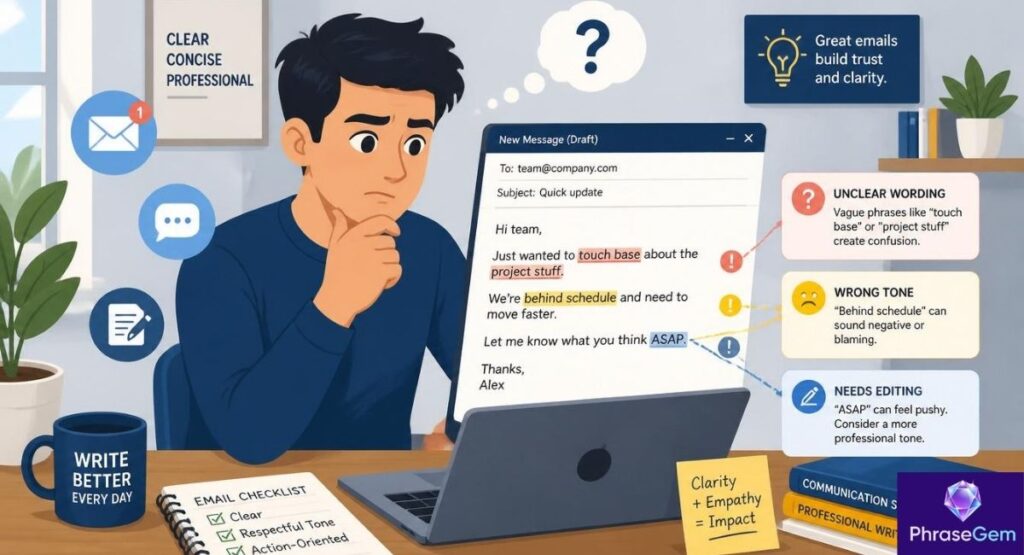
People often over-thank or sound robotic. Here’s what to skip:
- Saying “Thank you for your prompt reply” in a casual chat it sounds stiff
- Repeating the thank you twice in the same message
- Using overly formal words like “expeditious” in everyday emails
- Forgetting to add what comes next after the thanks
Keep it simple. One genuine line beats three hollow ones.
Formal vs Informal Usage (Email vs Chat)
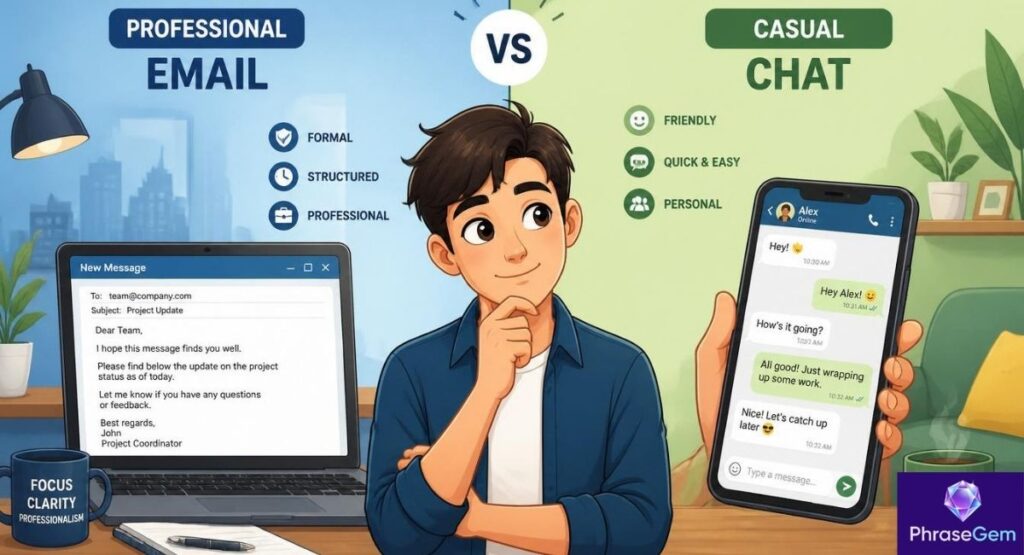
The setting changes everything.
| Context | Tone | Example |
| Professional email | Formal | “Thank you for your swift response.” |
| Work chat (Slack, Teams) | Semi-casual | “Thanks for getting back so fast!” |
| Text / DM | Casual | “Quick reply, appreciate it!” |
A good rule: if you’d say it out loud to a friend, it works in chat. If it needs a subject line, keep it professional.
Bonus Section: Short Polite Email Lines
Use these when you need something quick but still professional:
- “Thanks for the fast turnaround!”
- “Really appreciate you getting back so quickly.”
- “Glad we could connect so fast on this.”
- “Your quick reply made this much easier, thank you.”
These work great as opening lines before you get into the main point of your email.
Final Writing Tips: Choosing the Right Phrase
One simple way to pick the right phrase ask yourself three things:
Who are you writing to? How urgent was it? What’s the vibe of your relationship?
If the reply saved you time or stress, say so briefly. Specificity always sounds more human than a generic “thank you for your quick response.” The best phrases feel natural out loud and get straight to the point.
Frequently Asked Questions
What does “thank you for your quick response” mean?
It means you’re grateful someone replied to you fast. It’s a polite way to acknowledge their effort.
When should I say thank you for your quick response?
Say it when someone replies to your email or message faster than expected, especially in professional or formal situations.
Is “thank you for your quick response” formal or informal?
It’s mostly formal. You’d use it in emails or professional messages, not usually in texts or casual chats.
What’s another way to say thank you for your quick response?
You can say “thanks for getting back to me so fast” or “I appreciate your speedy reply.” Both sound natural and polite.
Can I use thank you for your quick response in an email?
Yes, it works perfectly as an opening line in a professional email before jumping into your main point.
Is it okay to say thank you for your quick response in a text message?
It’s a bit formal for texting. Try “thanks for the fast reply” or just “appreciate it!” instead.
How do you say thank you for a quick response professionally?
Say “I appreciate your prompt response” or “thank you for addressing this so quickly.” Both sound confident and professional.
Read Next : LTR Meaning: What It Really Means in Dating, Texting, and Modern Relationships

Elliot Fairmont is a language enthusiast and content writer at PhraseGem.com with a passion for making English easier to understand. He specializes in English grammar, phrases, vocabulary, text slang meanings, and everyday communication. Through clear explanations and practical examples, Elliot Fairmont helps readers improve their language skills, expand their vocabulary, and communicate with greater confidence in both personal and professional settings.
When he’s not researching language trends and writing educational content, Elliot Fairmont enjoys reading, exploring modern communication styles, and discovering new ways to make learning English simple and engaging.