
Writing “Hope all is well” for the third email in a row starts to feel lazy, even when you mean it. Most professionals use it out of habit, not intention, dropping it into client emails, follow-ups, and cold outreach without thinking twice. When every message opens the same way, it stops feeling warm and starts feeling like a copy-paste job nobody bothered to personalize.
This article gives you 30+ alternatives to “Hope all is well,” organized by tone and situation so you always know which one fits. Whether you need something formal, casual, or genuinely warm, you’ll find the right opener here. By the end, you’ll never have to default to the same tired phrase again.
What Does “Hope All Is Well” Mean?
“Hope all is well” is a friendly greeting people use at the start of an email or message.
It simply means “I hope you’re doing fine” before getting to the main point. It’s a polite way to show you care about the other person.
Is “Hope All Is Well” Professional?
It’s acceptable but overused. Most professionals see it as a filler phrase that adds no real value.
It won’t hurt your email, but it won’t impress anyone either. In formal settings, a more specific opener works better.
| Setting | Verdict |
|---|---|
| Casual work email | Fine to use |
| Client or formal email | Better to replace it |
| Cold outreach | Avoid it |
When Should You Use These Alternatives?
Use a different phrase when you want to sound more genuine, specific, or professional.
If you know something about the person, reference it. If it’s a formal email, skip the small talk entirely and get to the point.
A few good times to switch it up:
- Following up after a meeting or call
- Writing to a client for the first time
- Sending a sensitive or high-stakes message
31+ Other Ways to Say “Hope All Is Well”
These alternatives help you sound more natural, thoughtful, and professional. Pick the one that fits your tone and relationship with the reader.
1. “I hope you’re doing well.”
Meaning: A simple, warm check-in that works in almost any situation.
Tone: Friendly and professional
Do: Use it in everyday work emails and follow-ups.
Don’t: Use it back to back in the same email thread.
Tip: This is the safest replacement for “hope all is well” in most professional emails.
Examples:
- I hope you’re doing well. I wanted to follow up on our last conversation.
- I hope you’re doing well. Please find the report attached.
- I hope you’re doing well. I’d love to schedule a quick call.
- I hope you’re doing well. Just checking in on the project status.
- I hope you’re doing well. Let me know if you need anything from my side.
2. “I hope everything is going well.”
Meaning: A slightly broader version that covers both personal and professional life.
Tone: Warm and casual professional
Do: Use it when you haven’t spoken to someone in a while.
Don’t: Use it in short or urgent emails where it slows things down.
Tip: Works great in reconnection emails or after a gap in communication.
Examples:
- I hope everything is going well. It’s been a while since we last connected.
- I hope everything is going well on your end. I wanted to share an update.
- I hope everything is going well. Looking forward to your response.
- I hope everything is going well. Here’s what we discussed last time.
- I hope everything is going well. Please let me know your availability.
3. “I hope you’re having a great day.”
Meaning: A cheerful, time-specific greeting that feels more personal.
Tone: Upbeat and casual
Do: Use it in friendly or light-toned emails.
Don’t: Use it in serious or sensitive business conversations.
Tip: This works best for morning emails or when writing to someone you already know well.
Examples:
- I hope you’re having a great day. Just a quick note to share the update.
- I hope you’re having a great day. Wanted to touch base with you.
- I hope you’re having a great day. The proposal is ready for your review.
- I hope you’re having a great day. Let me know what time works for a call.
- I hope you’re having a great day. Thanks again for your help yesterday.
4. “I trust you’re doing well.”
Meaning: A more formal and confident way to wish someone well without sounding too casual.
Tone: Formal and polished
Do: Use it in corporate, legal, or senior-level communications.
Don’t: Use it with close colleagues as it can sound stiff.
Tip: If your email has a serious subject, this opener keeps the tone appropriate.
Examples:
- I trust you’re doing well. Please find the contract attached for your review.
- I trust you’re doing well. I wanted to follow up on our last discussion.
- I trust you’re doing well. Kindly confirm receipt of this message.
- I trust you’re doing well. We’d like to schedule a meeting at your convenience.
- I trust you’re doing well. The project timeline has been updated as discussed.
5. “I hope things are going smoothly.”
Meaning: It quietly acknowledges that the person may be busy or managing something, and you’re wishing them ease.
Tone: Empathetic and professional
Do: Use it when someone is in the middle of a big project or transition.
Don’t: Use it randomly without context as it may imply you know they’re struggling.
Tip: Best used with clients or colleagues you know are going through a busy phase.
Examples:
- I hope things are going smoothly on your end. Just following up on the brief.
- I hope things are going smoothly. We’re ready to jump in whenever you are.
- I hope things are going smoothly with the launch. Let us know how we can help.
- I hope things are going smoothly. I’ve attached the updated version.
- I hope things are going smoothly. Looking forward to your feedback.
6. “I hope you’ve been well.”
Meaning: A warm past-focused greeting used when you’re reconnecting after some time.
Tone: Warm and personal
Do: Use it when reaching out after a break or a long gap.
Don’t: Use it in regular weekly emails where it feels forced.
Tip: Pair it with a brief personal reference to make it feel more genuine.
Examples:
- I hope you’ve been well. It’s been a few months since we last spoke.
- I hope you’ve been well. I wanted to share some exciting news with you.
- I hope you’ve been well. We’d love to reconnect and explore next steps.
- I hope you’ve been well since the conference. It was great meeting you.
- I hope you’ve been well. I’m reaching out regarding our previous project.
7. “Hope you’re doing great.”
Meaning: A short, energetic version that feels friendly and approachable.
Tone: Casual and upbeat
Do: Use it with team members, friends, or people you have a relaxed relationship with.
Don’t: Use it in formal business emails or with new clients.
Tip: Drop the “I” to make it feel more conversational and less stiff.
Examples:
- Hope you’re doing great. Just checking in on that deadline.
- Hope you’re doing great. I’ve shared the file in our drive.
- Hope you’re doing great. Let me know when you’re free to chat.
- Hope you’re doing great. We’ve got some exciting updates to share.
- Hope you’re doing great. Can’t wait to hear your thoughts on this.
8. “I hope all is going well with you.”
Meaning: A slightly more personal version that puts the focus directly on the person.
Tone: Warm and semi-formal
Do: Use it when you genuinely want to acknowledge the person before your ask.
Don’t: Use it as a throwaway line when your email is purely transactional.
Tip: This works well in client emails where relationship-building matters.
Examples:
- I hope all is going well with you. I wanted to revisit our proposal.
- I hope all is going well with you. Here’s a quick update from our team.
- I hope all is going well with you. We’d love to set up a call soon.
- I hope all is going well with you. Please find the revised quote attached.
- I hope all is going well with you. Looking forward to your reply.
9. “I hope this message finds you well.”
Meaning: A classic formal opener that acknowledges the reader before diving into the email content.
Tone: Formal and traditional
Do: Use it in first-time outreach or formal professional emails.
Don’t: Overuse it as it has become nearly as generic as the original phrase.
Tip: If you use this, make sure the rest of your email is strong so it doesn’t feel like empty filler.
Examples:
- I hope this message finds you well. I’m writing regarding the partnership proposal.
- I hope this message finds you well. Please review the attached document.
- I hope this message finds you well. We’d like to schedule a call this week.
- I hope this message finds you well. I’m following up on my previous email.
- I hope this message finds you well. I wanted to introduce myself and our services.
10. “I hope you’re having a good week.”
Meaning: A time-aware greeting that shows you’re being thoughtful about when you’re writing.
Tone: Friendly and professional
Do: Use it mid-week when it feels natural and timely.
Don’t: Use it on a Friday or Monday as it loses its relevance.
Tip: Small time-aware details like this make your email feel less like a template.
Examples:
- I hope you’re having a good week. Just a quick follow-up from my side.
- I hope you’re having a good week. We wanted to share a quick update.
- I hope you’re having a good week. Let me know if you have time for a call.
- I hope you’re having a good week. The revised draft is ready for your review.
- I hope you’re having a good week. Looking forward to your thoughts.
11. “I hope everything’s going well for you.”
Meaning: A personal, outward-focused version that shifts attention fully to the reader’s experience.
Tone: Caring and warm
Do: Use it when writing to someone going through a transition or change.
Don’t: Use it in cold emails where you don’t know the person at all.
Tip: This phrase adds a human touch that makes the reader feel seen.
Examples:
- I hope everything’s going well for you. Excited to share our latest update.
- I hope everything’s going well for you. Do let me know if you need anything.
- I hope everything’s going well for you. We’d love to reconnect soon.
- I hope everything’s going well for you since your move to the new role.
- I hope everything’s going well for you. Here’s the document you requested.
12. “Hope life’s treating you well.”
Meaning: A relaxed, personal phrase that goes beyond work and acknowledges the whole person.
Tone: Casual and warm
Do: Use it with people you have a genuine personal connection with.
Don’t: Use it in professional or client-facing emails as it’s too informal.
Tip: Save this for people you’ve worked with closely or know beyond just a work context.
Examples:
- Hope life’s treating you well. It’s been ages since we caught up.
- Hope life’s treating you well. I had to reach out with this news.
- Hope life’s treating you well. Would love to grab a coffee soon.
- Hope life’s treating you well. Things have been exciting on our end.
- Hope life’s treating you well. Let me know how the new job is going.
13. “I hope you’re in good spirits.”
Meaning: A thoughtful, slightly old-fashioned phrase that genuinely wishes emotional wellbeing.
Tone: Warm and considerate
Do: Use it when someone has been through something difficult or you want to show real care.
Don’t: Use it casually as it can feel out of place in routine work emails.
Tip: This phrase is great after a tough meeting, project failure, or known personal challenge.
Examples:
- I hope you’re in good spirits. I know last week was a tough one.
- I hope you’re in good spirits. Looking forward to reconnecting with you.
- I hope you’re in good spirits. Here’s an update on the project.
- I hope you’re in good spirits despite the busy quarter.
- I hope you’re in good spirits. We’ve got some positive news to share.
14. “I hope you’re keeping well.”
Meaning: A gentle, health-aware check-in that shows you care about the person beyond just work.
Tone: Warm and slightly formal
Do: Use it during seasons of illness, stress, or uncertainty.
Don’t: Use it so often it starts to feel automated.
Tip: This phrase gained popularity during and after the pandemic and still carries warmth.
Examples:
- I hope you’re keeping well. Wanted to check in on the proposal.
- I hope you’re keeping well amid everything going on.
- I hope you’re keeping well. Here’s the updated timeline for the project.
- I hope you’re keeping well. We’d love to schedule time to connect.
- I hope you’re keeping well. Let me know if anything has changed on your end.
15. “I hope things are going well on your end.”
Meaning: It acknowledges that you understand the person has their own side of things and you’re rooting for them.
Tone: Collaborative and professional
Do: Use it in project-based communication or team emails.
Don’t: Use it in personal emails where “your end” sounds overly transactional.
Tip: This phrase subtly signals you’re a team player and not just focused on your own needs.
Examples:
- I hope things are going well on your end. We’re ready to proceed from our side.
- I hope things are going well on your end. Here’s our latest deliverable.
- I hope things are going well on your end. Let us know if there are any blockers.
- I hope things are going well on your end. Just checking in on timelines.
- I hope things are going well on your end. We’re excited to move this forward.
16. “Hope you’ve been doing well lately.”
Meaning: A casual reconnect phrase that acknowledges some time has passed since your last interaction.
Tone: Friendly and relaxed
Do: Use it when reaching out after a few weeks of silence.
Don’t: Use it in daily or weekly communication where it doesn’t make sense.
Tip: The word “lately” makes it feel more current and less robotic.
Examples:
- Hope you’ve been doing well lately. I wanted to circle back on our last chat.
- Hope you’ve been doing well lately. We’ve been working on something exciting.
- Hope you’ve been doing well lately. It’s been a while since we connected.
- Hope you’ve been doing well lately. I’d love to get your thoughts on this.
- Hope you’ve been doing well lately. Let’s find time to catch up soon.
17. “I hope all has been well with you.”
Meaning: A past-tense greeting that gently checks in on the person’s recent period, not just the current moment.
Tone: Thoughtful and semi-formal
Do: Use it in follow-up emails after a longer gap.
Don’t: Use it in same-week communication where it feels out of place.
Tip: It works well when you want to open with care before bringing up a serious topic.
Examples:
- I hope all has been well with you. I’m reaching out with an important update.
- I hope all has been well with you since we last spoke.
- I hope all has been well with you. We’d love to get back on track together.
- I hope all has been well with you. The team has been looking forward to this.
- I hope all has been well with you. Here’s everything you need for next steps.
18. “I hope you’re doing well these days.”
Meaning: A warm, present-aware phrase that feels current and genuine rather than scripted.
Tone: Friendly and natural
Do: Use it when you want to sound relatable and human.
Don’t: Use it in very formal emails where casual phrasing doesn’t fit.
Tip: “These days” adds a modern, conversational feel that stands out from overused openers.
Examples:
- I hope you’re doing well these days. Just wanted to check in quickly.
- I hope you’re doing well these days. We’ve got a new proposal ready.
- I hope you’re doing well these days. It’s been a busy season for all of us.
- I hope you’re doing well these days. Let’s plan to reconnect soon.
- I hope you’re doing well these days. I’d love your input on this.
19. “I hope everything is on track.”
Meaning: A focused, results-oriented opener that acknowledges someone’s workload and wishes them progress.
Tone: Professional and task-focused
Do: Use it in project management, deadline-driven, or follow-up emails.
Don’t: Use it in personal or emotional conversations as it sounds too clinical.
Tip: This is one of the few openers that doubles as a soft status check.
Examples:
- I hope everything is on track. Just following up on the deliverables.
- I hope everything is on track for the launch next week.
- I hope everything is on track. Let me know if you need any support.
- I hope everything is on track from your side. We’re all set here.
- I hope everything is on track. Looking forward to the final review.
20. “I hope you’re having a pleasant day.”
Meaning: A polite, refined greeting that wishes the reader a calm and enjoyable day.
Tone: Formal and courteous
Do: Use it in customer service, formal outreach, or written correspondence.
Don’t: Use it in casual team emails where it sounds overly stiff.
Tip: This phrase works especially well in written letters or polished business communication.
Examples:
- I hope you’re having a pleasant day. I’m writing to share an exciting update.
- I hope you’re having a pleasant day. Please find the enclosed details.
- I hope you’re having a pleasant day. We appreciate your continued support.
- I hope you’re having a pleasant day. I’d like to discuss a potential opportunity.
- I hope you’re having a pleasant day. Thank you for taking the time to read this.
21. “I hope you’re feeling well.”
Meaning: A caring, health-focused greeting that goes a step beyond just wishing productivity.
Tone: Warm and empathetic
Do: Use it when you know the person has been unwell, stressed, or dealing with something personal.
Don’t: Use it randomly in routine business emails as it can feel presumptuous.
Tip: This shows emotional intelligence and genuine care when used in the right context.
Examples:
- I hope you’re feeling well. I know you mentioned being under the weather.
- I hope you’re feeling well. Take your time with the response.
- I hope you’re feeling well. Just a quick update while you recover.
- I hope you’re feeling well. We’ve covered for you on the project this week.
- I hope you’re feeling well. Reach out when you’re ready to reconnect.
22. “I hope you’re doing well and staying busy.”
Meaning: A friendly phrase that wishes the person both good health and productive momentum.
Tone: Casual and energetic
Do: Use it with entrepreneurs, freelancers, or busy professionals you admire.
Don’t: Use it with someone who’s overwhelmed as “staying busy” may feel tone-deaf.
Tip: It signals respect for someone’s drive and work ethic in a casual way.
Examples:
- I hope you’re doing well and staying busy. I have something exciting to share.
- I hope you’re doing well and staying busy. We’d love to collaborate again.
- I hope you’re doing well and staying busy. Here’s an update from our side.
- I hope you’re doing well and staying busy. Let’s find a time to catch up.
- I hope you’re doing well and staying busy. Your feedback would mean a lot.
23. “I hope everything’s been going smoothly for you.”
Meaning: A thoughtful phrase that wishes the person ease and flow in everything they’ve been managing.
Tone: Empathetic and professional
Do: Use it when someone has been leading a big project or going through a transition.
Don’t: Use it if you have no idea what they’re working on as it can feel hollow.
Tip: Adding “for you” makes it feel more personal and less generic than the standard version.
Examples:
- I hope everything’s been going smoothly for you. We’re ready when you are.
- I hope everything’s been going smoothly for you since the team restructure.
- I hope everything’s been going smoothly for you. Here’s what we’ve been up to.
- I hope everything’s been going smoothly for you. Let’s connect this week.
- I hope everything’s been going smoothly for you. Your input would be valuable here.
24. “I hope you’re doing well these past few days.”
Meaning: A time-specific, considerate opener that acknowledges recent events in someone’s life or work.
Tone: Personal and genuine
Do: Use it right after a known busy period, event, or stressful stretch.
Don’t: Use it in a generic blast email as it loses all its personal feel.
Tip: The more specific the timeframe, the more human and thoughtful it sounds.
Examples:
- I hope you’re doing well these past few days. The product launch must have been intense.
- I hope you’re doing well these past few days. Just checking in after our last call.
- I hope you’re doing well these past few days. I wanted to share a quick update.
- I hope you’re doing well these past few days. Let me know how things settled.
- I hope you’re doing well these past few days. We’re ready to move forward whenever you are.
25. “I hope things are going well for you lately.”
Meaning: A casual, warm phrase that checks in on the person’s recent life and work without being too formal.
Tone: Friendly and natural
Do: Use it in reconnection emails or messages to someone you haven’t talked to recently.
Don’t: Use it in regular communication where it adds no value.
Tip: “Lately” gives it a current, timely feel that stands out from generic openers.
Examples:
- I hope things are going well for you lately. It’s been a minute since we talked.
- I hope things are going well for you lately. I’ve been meaning to reach out.
- I hope things are going well for you lately. Here’s something I think you’ll find useful.
- I hope things are going well for you lately. Would love to get your thoughts.
- I hope things are going well for you lately. Let’s catch up sometime soon.
26. “I hope you’re having a productive day.”
Meaning: A motivating, work-focused greeting that shows you respect the person’s time and goals.
Tone: Energetic and professional
Do: Use it with driven colleagues, managers, or clients who value efficiency.
Don’t: Use it when the email is about something personal or sensitive.
Tip: It subtly signals that you’re also productive and respectful of their focus.
Examples:
- I hope you’re having a productive day. Just a quick note on the proposal.
- I hope you’re having a productive day. I’ve sent over the files you requested.
- I hope you’re having a productive day. Wanted to flag something before our call.
- I hope you’re having a productive day. Here’s the updated version for review.
- I hope you’re having a productive day. Let me know if you have five minutes.
27. “I hope you’re doing well and everything’s fine.”
Meaning: A double-layered greeting that wishes both personal wellbeing and general life stability.
Tone: Warm and slightly informal
Do: Use it with people you know personally or have an ongoing relationship with.
Don’t: Use it in formal or first-time outreach where it can sound vague.
Tip: This works best as a genuine check-in rather than a filler opener.
Examples:
- I hope you’re doing well and everything’s fine. Thinking of you this week.
- I hope you’re doing well and everything’s fine on your end.
- I hope you’re doing well and everything’s fine. Just dropping a quick note.
- I hope you’re doing well and everything’s fine with the new role.
- I hope you’re doing well and everything’s fine. Let’s connect soon.
28. “I hope your week is going well.”
Meaning: A friendly, time-specific opener that acknowledges the current week and wishes the person ease through it.
Tone: Light and professional
Do: Use it Tuesday through Thursday when the week is actively in progress.
Don’t: Use it on a Monday morning or Friday afternoon where it loses its relevance.
Tip: Timing your opener to the actual day makes it feel thoughtful, not automated.
Examples:
- I hope your week is going well. Just a quick update from my side.
- I hope your week is going well so far. Wanted to touch base on the project.
- I hope your week is going well. Here’s the report you asked for.
- I hope your week is going well. Let’s plan a quick sync if you’re free.
- I hope your week is going well. Looking forward to your feedback.
29. “I hope all is going well so far.”
Meaning: A softer, open-ended version that acknowledges the journey without assuming everything is perfect.
Tone: Gentle and professional
Do: Use it early in a project, quarter, or relationship when things are still unfolding.
Don’t: Use it when things are clearly not going well as it may come across as tone-deaf.
Tip: “So far” adds a layer of realism that makes the phrase feel less scripted.
Examples:
- I hope all is going well so far. We’re at the halfway point of the project.
- I hope all is going well so far. Checking in to see if you need anything.
- I hope all is going well so far. Happy to help if there are any blockers.
- I hope all is going well so far. Here’s a quick summary of where we stand.
- I hope all is going well so far. Let me know when you’re ready to proceed.
30. “I hope you’re doing well today.”
Meaning: A simple, present-moment greeting that feels immediate and personal.
Tone: Warm and direct
Do: Use it in same-day follow-ups, quick check-ins, or short emails.
Don’t: Use it in longer formal emails where a slightly richer opener is expected.
Tip: Short and sweet. It works best when your email itself is also brief and to the point.
Examples:
- I hope you’re doing well today. Quick question from my side.
- I hope you’re doing well today. I’ve attached the file you need.
- I hope you’re doing well today. Let’s touch base when you have a moment.
- I hope you’re doing well today. Here’s the update you were waiting for.
- I hope you’re doing well today. I’d love five minutes of your time.
31. “Wishing you all the best.”
Meaning: A warm, closing-style phrase that can also open an email with genuine goodwill.
Tone: Warm and sincere
Do: Use it as a closing line or when wrapping up a long professional relationship.
Don’t: Use it as an opener in a regular work email as it can feel like you’re saying goodbye.
Tip: This phrase carries more weight as a sign-off than an opener. Use it intentionally.
Examples:
- Wishing you all the best as you take on this new chapter.
- Wishing you all the best with the product launch.
- Wishing you all the best in your new role. I know you’ll do great.
- Wishing you all the best. It’s been a pleasure working together.
- Wishing you all the best. Don’t hesitate to reach out anytime.
32. “I hope all has been going well on your side.”
Meaning: A collaborative, team-aware phrase that acknowledges the reader has their own world and responsibilities.
Tone: Professional and considerate
Do: Use it in cross-team, client, or partner communications.
Don’t: Use it in personal emails where “on your side” sounds too corporate.
Tip: This phrase naturally sets up a two-way conversation and invites the other person to share back.
Examples:
- I hope all has been going well on your side. We’ve made great progress here.
- I hope all has been going well on your side. Let’s align before the deadline.
- I hope all has been going well on your side. Here’s a quick status update.
- I hope all has been going well on your side. We’re ready to move to the next phase.
- I hope all has been going well on your side. Looking forward to your update.
Is “Hope All Is Well” Grammatically Correct?
Yes, it is grammatically correct. It’s a shortened form of “I hope all is well,” where the subject “I” is dropped for a more casual, conversational tone. This is completely normal in everyday English, especially in emails and messages.
Bonus Section: Short Polite Alternatives You Can Use
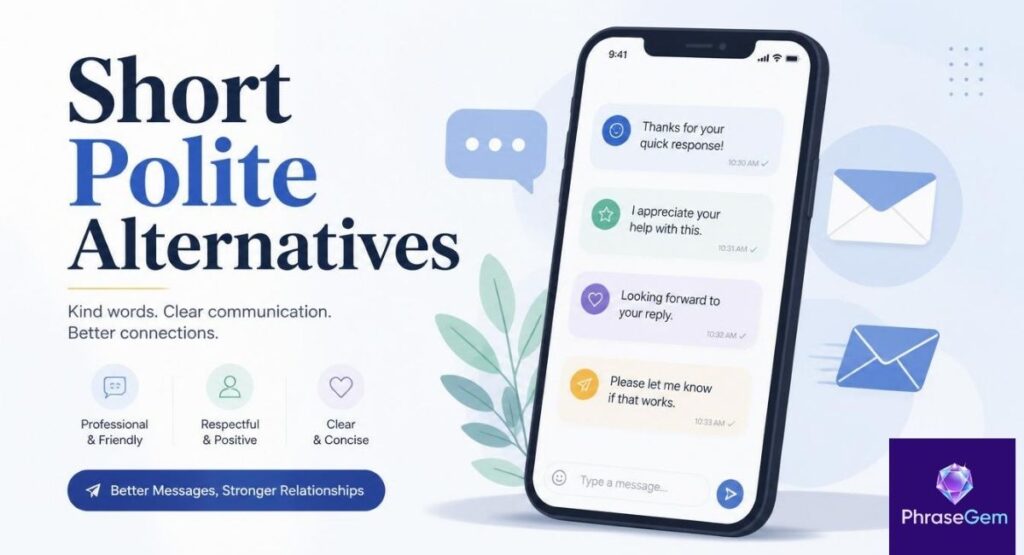
Here are some quick, ready-to-use alternatives based on tone and setting:
| Alternative | Best For |
| “Hope you’re well.” | Quick casual emails |
| “Trust you’re doing well.” | Formal business emails |
| “Hope your week’s going great.” | Mid-week check-ins |
| “Great connecting with you.” | After a meeting or call |
| “Just checking in.” | Short follow-up messages |
| “Thinking of you.” | Personal or warm messages |
| “Hope the day’s treating you well.” | Friendly morning emails |
Pick the one that matches your tone and relationship with the reader. The best opener is one that feels natural, not forced.
Frequently Asked Questions
What does “Hope all is well” mean?
It means you’re wishing someone good health and happiness. It’s a polite way to start a message before getting to the main point.
Is “Hope all is well” professional to use in emails?
Yes, it’s acceptable but overused. In formal emails, a more specific opener works better.
What can I say instead of “Hope all is well”?
You can say “I hope you’re doing well,” “Trust you’re doing well,” or simply “Hope your week is going great.”
Is it correct to write “Hope all is well” without “I”?
Yes, dropping the “I” is perfectly fine in casual and professional English. It’s a common and accepted short form.
When should I use “Hope all is well” in an email?
Use it when you want to open with a warm, polite tone before making a request or sharing an update.
Is “Hope all is well” too formal or too casual?
It sits right in the middle. It works for both casual and semi-formal emails but can feel generic if overused.
Can I use “Hope all is well” in a text message?
Yes, but it might feel a bit stiff for texting. Something like “Hope you’re good” sounds more natural in a message.
Why do people say “Hope all is well” in emails?
It’s a quick, polite way to show you care about the other person before jumping straight into business.
What is a friendlier way to say “Hope all is well”?
Try “Hope life’s treating you well” or “Hope you’re having a great day” for a warmer and more personal feel.
Does “Hope all is well” work for cold emails?
Not really. Cold emails do better with a more specific opener that shows you know something about the person or their work.
Final Writing Tips: Choosing the Right Phrase
Match your tone to your audience, formal or casual.
Don’t use the same opener in every email, it feels robotic.
Think about timing, a follow-up and a cold email need different greetings.
Keep it one line in professional emails and move to the point.
Use warmer phrases for personal messages and casual contacts.
Skip well-wishes in urgent or serious emails entirely.
Always sound natural, simple beats fancy every time
Read Next: 28+ Other Ways to Say “Have a Safe Trip” (With Examples)

Elliot Fairmont is a language enthusiast and content writer at PhraseGem.com with a passion for making English easier to understand. He specializes in English grammar, phrases, vocabulary, text slang meanings, and everyday communication. Through clear explanations and practical examples, Elliot Fairmont helps readers improve their language skills, expand their vocabulary, and communicate with greater confidence in both personal and professional settings.
When he’s not researching language trends and writing educational content, Elliot Fairmont enjoys reading, exploring modern communication styles, and discovering new ways to make learning English simple and engaging.