
Sending “sorry for the inconvenience” three times in one week to the same customer is a red flag. It shows up in delayed order emails, failed payment notices, and service outage alerts so often that people have stopped feeling it.
When a phrase gets used that much, it stops sounding like an apology and starts sounding like a copy paste habit. Overusing “sorry for the inconvenience” makes your brand sound cold, lazy, and disconnected from the real problem.
This article gives you 25 fresh alternatives that work across different situations and tones. Whether you need something formal for a corporate email or casual for a live chat, every option here fits a specific moment. Use these phrases to sound more human, build stronger trust, and leave people feeling heard instead of brushed off.
When Should You Use These Alternatives?
Use these alternatives when “sorry for the inconvenience” starts to feel robotic or overused. Here are the right moments to switch it up:
- When a customer is clearly frustrated and needs a warmer response
- When you are writing a formal email and need a professional tone
- When the situation is minor and a simple thank you works better than an apology
- When you want to sound more human and less like a copy paste template
The right phrase at the right moment builds trust fast.
Follow-Up Actions
Saying sorry is just the first step. What you do after matters even more.
- Tell the person what you are doing to fix the problem
- Give a realistic time frame so they are not left waiting
- Check back with them after the issue is resolved
- Offer something small like a discount or priority support if the situation was serious
A good apology without action is just words. People remember how you fixed it, not just that you said sorry.
25+ Other Ways to Say “Sorry for the Inconvenience”
1. “We apologize for the inconvenience.”
Meaning: A formal and professional way to say sorry.
This is the most classic business apology. It works well in emails, customer service chats, and official statements. It is polite but can feel a little cold if used too much.
Do: Use it in formal written communication.
Don’t: Use it repeatedly in the same conversation.
Tone: Formal and professional.
Tip: Follow it with what you are doing to fix the problem.
Examples:
- We apologize for the inconvenience caused by the system outage.
- We apologize for the inconvenience during your recent visit.
- We apologize for the inconvenience and are working on a fix.
- We apologize for the inconvenience this delay has caused.
- We apologize for the inconvenience and appreciate your patience.
2. “Sorry for any inconvenience this may have caused.”
Meaning: A softer apology that admits something might have gone wrong.
This phrase is gentle and works when you are not 100% sure if the person was affected. It is common in mass emails or announcements.
Do: Use it in bulk emails or general notices.
Don’t: Use it when the inconvenience is clearly serious.
Tone: Soft and neutral.
Tip: Add a solution or next step after this phrase.
Examples:
- Sorry for any inconvenience this may have caused during checkout.
- Sorry for any inconvenience this update may have caused.
- Sorry for any inconvenience this schedule change may have caused.
- Sorry for any inconvenience this may have caused to your plans.
- Sorry for any inconvenience this may have caused our loyal customers.
3. “Thank you for your patience.”
Meaning: Appreciating the person for waiting calmly without complaining.
This shifts the tone from apologizing to appreciating. It feels warmer and more human. Great for situations where someone had to wait.
Do: Use it when someone has been waiting for a response or fix.
Don’t: Use it sarcastically or when the wait was unacceptably long without a real apology first.
Tone: Warm and grateful.
Tip: Pair it with an update so they know the wait was worth it.
Examples:
- Thank you for your patience while we processed your order.
- Thank you for your patience during the technical difficulties.
- Thank you for your patience as our team looks into this.
- Thank you for your patience and we will update you shortly.
- Thank you for your patience while we work to fix this issue.
4. “We appreciate your understanding.”
Meaning: Thanking someone for being calm and accepting the situation.
This phrase works when the customer has already been cooperative. It acknowledges their good attitude and makes them feel respected.
Do: Use it when someone has been kind despite the issue.
Don’t: Use it before actually explaining the problem.
Tone: Respectful and warm.
Tip: Use it at the end of your message as a closing line.
Examples:
- We appreciate your understanding as we resolve this matter.
- We appreciate your understanding during this transition period.
- We appreciate your understanding and will keep you updated.
- We appreciate your understanding while our team investigates.
- We appreciate your understanding and hope to serve you better.
5. “Apologies for the disruption.”
Meaning: Sorry for interrupting or disturbing something that was going smoothly.
This is a clean and direct phrase. It works well when something caused a break in service, work, or routine.
Do: Use it for service outages, construction notices, or event changes.
Don’t: Use it for personal or emotional situations.
Tone: Direct and professional.
Tip: Mention what caused the disruption if possible.
Examples:
- Apologies for the disruption to your internet service today.
- Apologies for the disruption caused by the fire drill.
- Apologies for the disruption during the live session.
- Apologies for the disruption and thank you for your patience.
- Apologies for the disruption to your regular schedule.
6. “Sorry for the delay.”
Meaning: Apologizing specifically for taking longer than expected.
Short, honest, and human. This phrase gets straight to the point and people respect that. It works in emails, texts, and face to face.
Do: Use it when you respond late or ship something late.
Don’t: Use it without explaining why there was a delay.
Tone: Casual and honest.
Tip: Always mention the reason and new expected time.
Examples:
- Sorry for the delay in getting back to you.
- Sorry for the delay in shipping your order.
- Sorry for the delay and we are now back on track.
- Sorry for the delay caused by unexpected technical issues.
- Sorry for the delay in processing your refund request.
7. “We regret any inconvenience caused.”
Meaning: A formal expression of being sorry for any trouble caused.
This one sounds very official. It is often used in legal or corporate communication. It is polite but can feel distant.
Do: Use it in formal letters, legal notices, or official statements.
Don’t: Use it in casual customer conversations.
Tone: Very formal and corporate.
Tip: Add a human touch after this line to avoid sounding robotic.
Examples:
- We regret any inconvenience caused by the recent policy change.
- We regret any inconvenience caused during the maintenance window.
- We regret any inconvenience caused by this unexpected delay.
- We regret any inconvenience caused to our valued customers.
- We regret any inconvenience caused by the cancellation of this event.
8. “Sorry for the trouble.”
Meaning: A simple and casual way to apologize for causing problems.
This is a very natural and friendly phrase. It does not sound scripted and works great in everyday customer interactions.
Do: Use it in live chat, text messages, or casual emails.
Don’t: Use it for serious or major issues.
Tone: Friendly and casual.
Tip: Follow it with a quick fix or solution.
Examples:
- Sorry for the trouble with your login today.
- Sorry for the trouble and we have now fixed the issue.
- Sorry for the trouble this caused with your booking.
- Sorry for the trouble and please let us know if you need help.
- Sorry for the trouble during your shopping experience.
9. “We’re sorry for the inconvenience caused.”
Meaning: A warm and direct apology for a specific issue.
This version feels more personal than “we regret” because it uses the word sorry directly. It shows ownership of the problem.
Do: Use it when you want to sound sorry but still professional.
Don’t: Use it without following up with action.
Tone: Professional but warm.
Tip: Start with this and then explain what happened next.
Examples:
- We are sorry for the inconvenience caused by the app crash.
- We are sorry for the inconvenience caused during peak hours.
- We are sorry for the inconvenience caused by our team.
- We are sorry for the inconvenience caused and are fixing it now.
- We are sorry for the inconvenience caused to your daily routine.
10. “Please accept our apologies.”
Meaning: A respectful and formal request for the person to accept your sorry.
This phrase shows humility. You are asking the person to forgive you which shows you take the issue seriously.
Do: Use it for serious complaints or VIP customers.
Don’t: Use it for every small issue.
Tone: Humble and formal.
Tip: Follow it with a concrete action you are taking.
Examples:
- Please accept our apologies for the error in your invoice.
- Please accept our apologies for the poor experience you had.
- Please accept our apologies for the late delivery of your package.
- Please accept our apologies for the confusion this caused.
- Please accept our apologies and enjoy a discount on your next order.
11. “We’re sorry for the inconvenience and appreciate your patience.”
Meaning: Combining an apology with appreciation in one sentence.
This is a great two in one phrase. You apologize and thank at the same time. It feels complete and considerate.
Do: Use it when the person had to wait or deal with a problem for a while.
Don’t: Use it when no patience was actually required.
Tone: Warm and considerate.
Tip: Use it in the middle of your message not just at the end.
Examples:
- We are sorry for the inconvenience and appreciate your patience during the outage.
- We are sorry for the inconvenience and appreciate your patience while we investigated.
- We are sorry for the inconvenience and appreciate your patience with our team.
- We are sorry for the inconvenience and appreciate your patience as we process your request.
- We are sorry for the inconvenience and appreciate your patience throughout this process.
12. “Apologies for any inconvenience.”
Meaning: A short and simple sorry for possible trouble caused.
Quick and clean. This works when you want to keep things brief and not overly dramatic about the issue.
Do: Use it in short emails, notifications, or app messages.
Don’t: Use it as a standalone message with no context.
Tone: Neutral and brief.
Tip: Add one line about what you are doing to help.
Examples:
- Apologies for any inconvenience during tonight’s maintenance.
- Apologies for any inconvenience this change may bring.
- Apologies for any inconvenience with your recent order.
- Apologies for any inconvenience and thank you for your support.
- Apologies for any inconvenience caused by this update.
13. “We understand this may be inconvenient.”
Meaning: Showing empathy by acknowledging that the situation is difficult for the person.
This phrase shows you get it. It validates the person’s feelings before jumping into a solution. People appreciate being understood.
Do: Use it when you know the situation is genuinely difficult for the person.
Don’t: Use it without offering a solution right after.
Tone: Empathetic and caring.
Tip: Use this to open your message before giving the solution.
Examples:
- We understand this may be inconvenient and we are working on it.
- We understand this may be inconvenient for your travel plans.
- We understand this may be inconvenient and appreciate your flexibility.
- We understand this may be inconvenient given the short notice.
- We understand this may be inconvenient and we will make it right.
14. “Thank you for your cooperation.”
Meaning: Appreciating someone for working with you through a difficult situation.
This phrase is often used when you are asking someone to do something or follow a process. It sounds grateful and professional.
Do: Use it after asking someone to follow steps or wait.
Don’t: Use it at the very start before explaining anything.
Tone: Professional and appreciative.
Tip: Use it as a closing line in instruction based emails.
Examples:
- Thank you for your cooperation during the system update.
- Thank you for your cooperation as we process your claim.
- Thank you for your cooperation in following the new procedure.
- Thank you for your cooperation and we will be in touch soon.
- Thank you for your cooperation during this verification process.
15. “We apologize for any disruption.”
Meaning: Sorry for any break or problem caused in normal activity.
Similar to apologies for the disruption but a little softer. It works well for service based businesses dealing with technical or operational issues.
Do: Use it during or after a service interruption.
Don’t: Use it for personal or emotional complaints.
Tone: Professional and calm.
Tip: Pair it with a status update or timeline.
Examples:
- We apologize for any disruption to your service today.
- We apologize for any disruption caused by the server maintenance.
- We apologize for any disruption to your workflow.
- We apologize for any disruption during our system upgrade.
- We apologize for any disruption and confirm all services are restored.
16. “We’re working to resolve this as quickly as possible.”
Meaning: Letting the person know you are actively fixing the problem right now.
This phrase gives people hope. It tells them you are not ignoring the issue and are taking action. Very effective during ongoing issues.
Do: Use it during live issues or open complaints.
Don’t: Use it when the issue has already been fixed.
Tone: Action oriented and reassuring.
Tip: Give an estimated time along with this phrase.
Examples:
- We are working to resolve this as quickly as possible and will update you soon.
- We are working to resolve this as quickly as possible after the outage.
- We are working to resolve this as quickly as possible for all affected users.
- We are working to resolve this as quickly as possible and appreciate your patience.
- We are working to resolve this as quickly as possible and expect a fix within the hour.
17. “We appreciate your flexibility.”
Meaning: Thanking someone for being open to changes or adjustments.
This is a great phrase when plans change and the person has to adjust. It makes them feel valued for being understanding.
Do: Use it when someone had to reschedule or adapt because of your issue.
Don’t: Use it when the person had no choice but to be flexible.
Tone: Warm and thankful.
Tip: Offer something in return to show real appreciation.
Examples:
- We appreciate your flexibility with the rescheduled meeting.
- We appreciate your flexibility as we adjust our delivery timeline.
- We appreciate your flexibility during this period of change.
- We appreciate your flexibility and will make sure this is worth it.
- We appreciate your flexibility in accepting the new arrangement.
18. “Sorry for the inconvenience, this won’t happen again.”
Meaning: Apologizing and making a promise to prevent the same issue in future.
This is a strong phrase because it includes a commitment. People want to know it will not happen again. It builds trust.
Do: Use it only when you can actually keep that promise.
Don’t: Say this and then repeat the same mistake.
Tone: Sincere and committed.
Tip: Back this up with a brief explanation of what you changed.
Examples:
- Sorry for the inconvenience, this won’t happen again as we have updated our system.
- Sorry for the inconvenience, this won’t happen again after our team review.
- Sorry for the inconvenience, this won’t happen again and we have fixed the root cause.
- Sorry for the inconvenience, this won’t happen again as new checks are now in place.
- Sorry for the inconvenience, this won’t happen again and we appreciate your trust.
19. “We appreciate your continued support.”
Meaning: Thanking someone for staying with you despite the problem.
This phrase makes the customer feel loyal and valued. It works well at the end of a message when someone has been through a difficult experience with you.
Do: Use it with long term customers or after repeated issues.
Don’t: Use it with someone who is brand new and already frustrated.
Tone: Warm and loyal.
Tip: Pair it with a special offer or thank you gesture.
Examples:
- We appreciate your continued support through this challenging time.
- We appreciate your continued support and are committed to doing better.
- We appreciate your continued support as we improve our services.
- We appreciate your continued support and loyalty to our brand.
- We appreciate your continued support and hope to exceed your expectations.
20. “Thanks for your understanding and patience.”
Meaning: A double thank you for both getting it and waiting without frustration.
This is a friendly and casual version that combines understanding and patience. It feels human and genuine.
Do: Use it in friendly emails or chat conversations.
Don’t: Use it in very formal or legal communication.
Tone: Casual and genuine.
Tip: Use it near the end of your message as a warm closing.
Examples:
- Thanks for your understanding and patience while we fixed the bug.
- Thanks for your understanding and patience during this busy period.
- Thanks for your understanding and patience with our support team.
- Thanks for your understanding and patience as we sort this out.
- Thanks for your understanding and patience, we really do appreciate it.
21. “Apologies for the inconvenience, we value your time.”
Meaning: Sorry for wasting someone’s time and letting them know their time matters to you.
Time is the one thing people never get back. This phrase shows you respect that. It works well in situations where delays or errors cost someone time.
Do: Use it when someone had to wait or redo something because of your error.
Don’t: Use it as a generic filler phrase without meaning it.
Tone: Respectful and sincere.
Tip: Follow it up with a faster resolution or priority support offer.
Examples:
- Apologies for the inconvenience, we value your time and will prioritize your case.
- Apologies for the inconvenience, we value your time and have fixed the issue.
- Apologies for the inconvenience, we value your time and will not let this happen again.
- Apologies for the inconvenience, we value your time and are speeding up the process.
- Apologies for the inconvenience, we value your time and appreciate your patience.
22. “We appreciate you bearing with us.”
Meaning: Thanking someone for putting up with a difficult or frustrating situation.
This is a very human and conversational phrase. It acknowledges that the situation was hard and thanks the person for sticking through it.
Do: Use it in live chat or personal email responses.
Don’t: Use it in formal corporate communication.
Tone: Casual and human.
Tip: Use it when the issue took longer than expected to resolve.
Examples:
- We appreciate you bearing with us during the technical difficulties.
- We appreciate you bearing with us as we sorted out the confusion.
- We appreciate you bearing with us through multiple delays.
- We appreciate you bearing with us and we have now resolved your issue.
- We appreciate you bearing with us, your patience means a lot to our team.
23. “Thank you for your understanding during this time.”
Meaning: Appreciating someone for being calm and patient during a specific difficult period.
This phrase works well during ongoing situations like system changes, delays, or transitions. The words “during this time” make it feel specific and sincere.
Do: Use it during a known ongoing issue or transition period.
Don’t: Use it after a quick one time problem.
Tone: Sincere and time specific.
Tip: Mention what the specific time or situation is to make it feel personal.
Examples:
- Thank you for your understanding during this time of high demand.
- Thank you for your understanding during this time of system upgrades.
- Thank you for your understanding during this time of team changes.
- Thank you for your understanding during this time and we will update you soon.
- Thank you for your understanding during this time as we work to improve.
24. “Sorry for the inconvenience, your experience matters to us.”
Meaning: Apologizing while making it clear that the customer’s experience is a priority.
This phrase is powerful because it puts the focus back on the customer. It tells them they are not just a ticket number but a real person you care about.
Do: Use it when someone had a genuinely bad experience.
Don’t: Use it as a copy paste reply without personal follow up.
Tone: Caring and customer focused.
Tip: Follow it with a specific action that proves their experience matters.
Examples:
- Sorry for the inconvenience, your experience matters to us and we are looking into this now.
- Sorry for the inconvenience, your experience matters to us and we want to make it right.
- Sorry for the inconvenience, your experience matters to us more than anything.
- Sorry for the inconvenience, your experience matters to us and a manager will call you shortly.
- Sorry for the inconvenience, your experience matters to us and we have flagged this for review.
25. “We sincerely apologize for any frustration this may have caused.”
Meaning: A heartfelt apology that directly addresses the emotional impact on the person.
This phrase is special because it talks about feelings not just the problem. It shows emotional intelligence and real empathy which customers respond to very well.
Do: Use it when someone is clearly upset or frustrated.
Don’t: Use it for minor low stakes situations.
Tone: Empathetic and heartfelt.
Tip: Use the word sincerely only when you mean it, it adds real weight.
Examples:
- We sincerely apologize for any frustration this may have caused during your wait.
- We sincerely apologize for any frustration this may have caused with your order.
- We sincerely apologize for any frustration this may have caused to you and your team.
- We sincerely apologize for any frustration this may have caused and are taking action.
- We sincerely apologize for any frustration this may have caused by our error.
26. “We’re grateful for your patience as we work through this.”
Meaning: Expressing genuine gratitude for the person staying calm while you fix things.
This phrase feels very real and humble. It does not just thank someone, it shows you are aware of the effort they are making to be patient with you.
Do: Use it during live issues or ongoing fixes.
Don’t: Use it after everything is already resolved.
Tone: Humble and genuine.
Tip: Give a short update right after so their patience feels rewarded.
Examples:
- We are grateful for your patience as we work through this technical issue.
- We are grateful for your patience as we work through this backlog.
- We are grateful for your patience as we work through this investigation.
- We are grateful for your patience as we work through this process together.
- We are grateful for your patience as we work through this and aim to update you within 24 hours.
What Not to Say
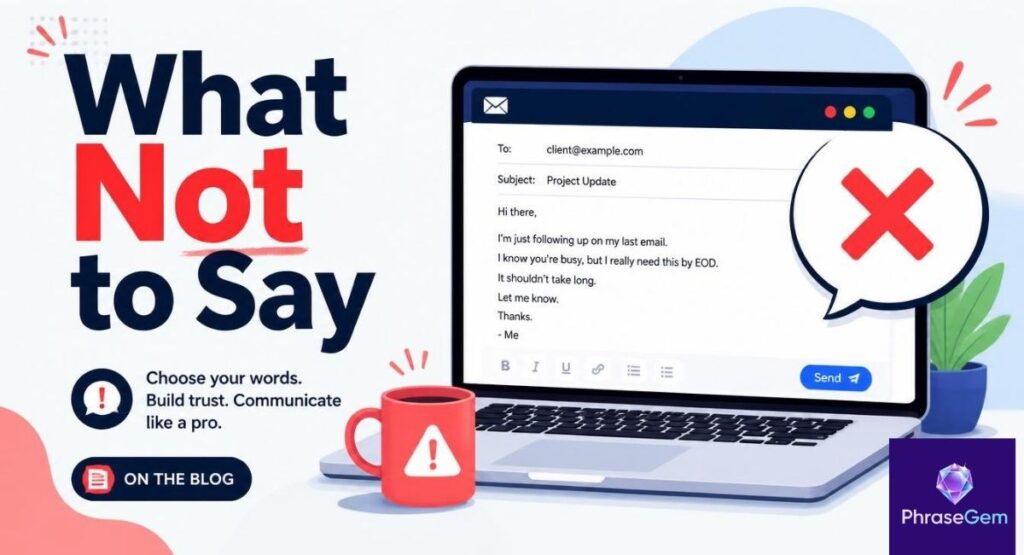
Some phrases actually make things worse even when you mean well. Avoid these common mistakes:
- “It is what it is” — sounds like you do not care at all
- “This is not our fault” — even if true, it feels defensive and cold
- “You should have known” — this blames the customer directly
- “We already told you” — makes the person feel stupid
- “Sorry you feel that way” — this is not a real apology
Bonus Section: Short Polite Alternatives
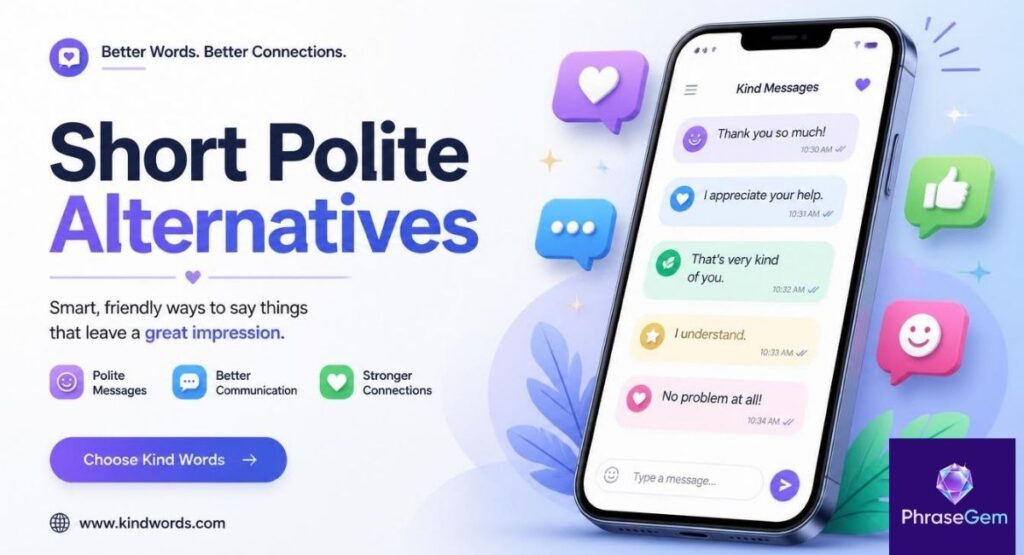
Sometimes you just need a quick one liner that sounds polite and human. Here are some short and sweet options you can use anywhere:
- My apologies for the wait
- Sorry about that
- We are on it
- Thanks for hanging in there
- Really sorry for the hassle
- We owe you a better experience
- That is on us and we are fixing it
These short phrases work great in live chat, text messages, or quick email replies where you do not need a long explanation. Keep it short, keep it real.
FAQs
What is a better way to say sorry for the inconvenience?
Try phrases like “we apologize for the trouble” or “thank you for your patience.” They sound more human and genuine.
How do you apologize professionally in an email?
Use “please accept our apologies” or “we regret any inconvenience caused.” Always follow it with a solution.
Is sorry for the inconvenience too formal?
Yes, it can sound robotic. Phrases like “sorry for the trouble” or “thanks for bearing with us” feel much more natural.
What do you say instead of sorry for the inconvenience in customer service?
Say “we appreciate your patience” or “we are working to fix this right away.” It sounds warmer and more helpful.
How do you apologize without saying sorry?
Use “thank you for your patience” or “we appreciate your understanding.” These feel positive instead of just apologetic.
What is the most sincere way to apologize to a customer?
Acknowledge the problem, take responsibility, and offer a fix. Say “we sincerely apologize and here is what we are doing about it.”
Can I say sorry for the inconvenience in a text message?
Yes but keep it short. Try “sorry for the hassle” or “really sorry about that” for a more casual and human tone.
What should you never say when apologizing to a customer?
Never say “sorry you feel that way” or “it is not our fault.” These phrases make customers feel dismissed and unheard.
How do you end an apology email politely?
Close with “thank you for your understanding” or “we appreciate your continued support.” It leaves a warm and positive impression.
Why is sorry for the inconvenience overused?
It is used so often that it has lost its meaning. People want real empathy and action, not a copy paste phrase.
Final Writing Tips
A good apology is not just about the right words. It is about making the person feel heard and valued. Keep these tips in mind every time you write one:
- Always acknowledge the problem first before jumping to a solution
- Keep your tone warm and human, avoid sounding like a robot
- Be specific about what went wrong instead of being vague
- Never make promises you cannot keep
- End with a positive note or next step so the person feels reassured
The best apology is a short, honest, and action driven one. Say sorry, explain briefly, fix it fast.
Read Next: 31+ Other Ways to Say “Hope All Is Well” (With Examples)

Elliot Fairmont is a language enthusiast and content writer at PhraseGem.com with a passion for making English easier to understand. He specializes in English grammar, phrases, vocabulary, text slang meanings, and everyday communication. Through clear explanations and practical examples, Elliot Fairmont helps readers improve their language skills, expand their vocabulary, and communicate with greater confidence in both personal and professional settings.
When he’s not researching language trends and writing educational content, Elliot Fairmont enjoys reading, exploring modern communication styles, and discovering new ways to make learning English simple and engaging.