
You’ve typed “it was a pleasure working with you” so many times it’s starting to feel like copy-paste on autopilot. Whether you’re wrapping up a client project, saying goodbye to a colleague, or closing out a contract, this phrase shows up everywhere and starts meaning nothing.
Other ways to say “it was a pleasure working with you” exist for a reason, because the same closing line in every email makes you sound like a template, not a person.
This article gives you 29 professional alternatives, sorted by tone and situation, so you always pick the right one. From formal client farewells to casual team goodbyes, each phrase is ready to use. Read on, and you’ll never reach for the same tired line again.
When Should You Use These Alternatives?
Use alternatives when the standard phrase feels repetitive or too generic.
Switch it up when emailing a longtime client, wrapping up a big project, or when you want to sound more genuine and less copy-pasted.
Use alternatives when:
- You’ve said the same phrase too many times
- The relationship is more casual or more formal than usual
- You want your closing to actually mean something
Is “It Was a Pleasure Working With You” Professional?
Yes, completely. It’s warm, respectful, and fits any professional setting, from corporate emails to freelance goodbyes. Recruiters, managers, and clients all respond well to it.
When to Use “It Was a Pleasure Working With You” in an Email
Use it at the end of your email when wrapping up a project, leaving a job, finishing a contract, or after a great meeting.
| Situation | Good Fit? |
| Project completion | Yes |
| Job resignation | Yes |
| After a sales call | Yes |
| First-time intro email | No |
| Casual team chat | No |
Keep it for closing lines only. It lands best as a final thought before your sign-off.
29 Other Ways to Say “It Was a Pleasure Working With You”
1. “I really enjoyed collaborating with you.
Meaning: You genuinely had a good time working together.
Tone: Warm and personal
Do: Use this when you built a real connection during the project.
Don’t: Use it with someone you barely interacted with.
Tip: Works great in a LinkedIn message or farewell email.
Examples:
- I really enjoyed collaborating with you on the product launch.
- Working on this campaign with you was great. I really enjoyed collaborating with you.
- I really enjoyed collaborating with you throughout this project.
- It was fun and productive. I really enjoyed collaborating with you.
- I really enjoyed collaborating with you and hope we connect again soon.
2. “Working with you has been a wonderful experience.”
Meaning: The whole journey of working together felt positive and memorable.
Tone: Sincere and professional
Do: Use when wrapping up a long project or contract.
Don’t: Use for short, one-off tasks where “wonderful” feels exaggerated.
Tip: Great for formal goodbye emails to senior colleagues or clients.
Examples:
- Working with you has been a wonderful experience from start to finish.
- I just wanted to say that working with you has been a wonderful experience.
- Working with you has been a wonderful experience. Thank you for everything.
- This past year has flown by. Working with you has been a wonderful experience.
- Working with you has been a wonderful experience and I’ll miss our collaboration.
3. “I appreciated the opportunity to work with you.”
Meaning: You’re thankful you got the chance to be part of this.
Tone: Grateful and humble
Do: Use when someone gave you a chance, like a client or senior manager.
Don’t: Use between equals when it may sound overly formal.
Tip: Perfect for internship endings or contract work sign-offs.
Examples:
- I truly appreciated the opportunity to work with you this quarter.
- I appreciated the opportunity to work with you on such a meaningful project.
- Thank you so much. I appreciated the opportunity to work with you and learn along the way.
- I appreciated the opportunity to work with you and your amazing team.
- It was a great run. I appreciated the opportunity to work with you throughout.
4. “It was great partnering with you.”
Meaning: You found the partnership effective and enjoyable.
Tone: Casual and confident
Do: Use with business partners, vendors, or collaborators at the same level.
Don’t: Use in very formal corporate settings where “partnering” sounds too casual.
Tip: Works well in short follow-up emails after a deal or project closes.
Examples:
- It was great partnering with you on the Q3 strategy.
- Honestly, it was great partnering with you. Let’s do it again.
- It was great partnering with you to bring this idea to life.
- The whole team loved working with your side. It was great partnering with you.
- It was great partnering with you and seeing such strong results.
5. “I valued our time working together.”
Meaning: The time you spent collaborating meant something to you.
Tone: Thoughtful and sincere
Do: Use when you want to highlight the relationship, not just the work.
Don’t: Use if the working relationship was mostly transactional or brief.
Tip: Ideal for goodbye emails when leaving a long-term role or team.
Examples:
- I valued our time working together more than I can express.
- I valued our time working together and everything I learned from you.
- It’s been a great chapter. I truly valued our time working together.
- I valued our time working together and hope our paths cross again.
- More than the project itself, I valued our time working together.
6. “It was a privilege working with you.”
Meaning: You feel honored to have worked with this person.
Tone: Respectful and formal
Do: Use with someone highly experienced, senior, or widely respected.
Don’t: Overuse it or it starts to feel insincere or flattering.
Tip: Best saved for mentors, industry leaders, or exceptional teammates.
Examples:
- It was a privilege working with you and learning from your expertise.
- Honestly, it was a privilege working with you on such a complex project.
- It was a privilege working with you. Your guidance made all the difference.
- I want you to know it was a privilege working with you these past two years.
- It was a privilege working with you and being part of this incredible team.
7. “I truly enjoyed being part of this team with you.”
Meaning: You loved the team dynamic and being alongside this person.
Tone: Warm, team-focused, and genuine
Do: Use in team farewell messages or group emails.
Don’t: Send this to just one person if it’s clearly a team effort message.
Tip: Works well in a goodbye note to the whole department.
Examples:
- I truly enjoyed being part of this team with you all.
- I truly enjoyed being part of this team with you. It never felt like work.
- Looking back, I truly enjoyed being part of this team with you.
- I truly enjoyed being part of this team with you and learning every day.
- I truly enjoyed being part of this team with you. Thank you for everything.
8. “It was inspiring working with you.”
Meaning: This person motivated or sparked something in you professionally.
Tone: Genuine and uplifting
Do: Use when someone truly pushed your thinking or creativity.
Don’t: Use it loosely just to compliment someone you barely know.
Tip: Pair it with a specific reason why they inspired you for more impact.
Examples:
- It was inspiring working with you and seeing how you handle challenges.
- It was inspiring working with you. You raised the bar for all of us.
- I have to say, it was inspiring working with you on this creative project.
- It was inspiring working with you every day and watching your process.
- It was inspiring working with you. I’m taking so much away from this.
9. “I’m grateful for the chance to work alongside you.”
Meaning: You feel thankful for the experience of working closely with them.
Tone: Humble and heartfelt
Do: Use when someone mentored you or made your job easier.
Don’t: Use in situations where it sounds overly sentimental for the context.
Tip: Great for thank-you notes to managers or senior collaborators.
Examples:
- I’m grateful for the chance to work alongside you this year.
- I’m grateful for the chance to work alongside you on something so impactful.
- Truly, I’m grateful for the chance to work alongside you and grow here.
- I’m grateful for the chance to work alongside you and absorb your expertise.
- I’m grateful for the chance to work alongside you. It meant a lot.
10. “It’s been wonderful collaborating with you.”
Meaning: The whole collaboration felt positive and productive.
Tone: Warm and professional
Do: Use in closing emails after a finished project or contract.
Don’t: Use right at the start of a project wrap-up, save it for the end.
Tip: Works across industries, from creative fields to corporate environments.
Examples:
- It’s been wonderful collaborating with you on this initiative.
- I just wanted to say it’s been wonderful collaborating with you.
- It’s been wonderful collaborating with you. Let’s keep in touch.
- It’s been wonderful collaborating with you and your team.
- It’s been wonderful collaborating with you these past few months.
11. “You’ve been great to work with.”
Meaning: Simple and direct praise for being a good collaborator.
Tone: Casual and friendly
Do: Use in everyday professional settings and informal goodbye messages.
Don’t: Use in very formal or corporate farewell letters.
Tip: Short, genuine, and always lands well in quick emails or Slack messages.
Examples:
- You’ve been great to work with. Hope to cross paths again.
- Seriously, you’ve been great to work with throughout this whole project.
- You’ve been great to work with and I’ll really miss having you on the team.
- From day one, you’ve been great to work with. Thank you.
- You’ve been great to work with. Wishing you all the best ahead.
12. “I enjoyed every moment of working with you.”
Meaning: You found the experience consistently positive from beginning to end.
Tone: Enthusiastic and warm
Do: Use when the entire collaboration felt smooth and enjoyable.
Don’t: Use if there were obvious challenges, it may come across as fake.
Tip: Great for close colleagues or long-term clients you truly connected with.
Examples:
- I enjoyed every moment of working with you on this campaign.
- No exaggeration, I enjoyed every moment of working with you.
- I enjoyed every moment of working with you and your creative team.
- I enjoyed every moment of working with you. Rare to say that but true.
- I enjoyed every moment of working with you. Let’s stay connected.
13. “I’m glad we had the chance to work together.”
Meaning: You feel lucky or happy that this collaboration happened.
Tone: Easy-going and genuine
Do: Use when circumstances brought you together briefly but meaningfully.
Don’t: Use after a long partnership where something stronger fits better.
Tip: Natural and simple. Good for networking emails and LinkedIn notes.
Examples:
- I’m glad we had the chance to work together on this.
- I’m glad we had the chance to work together even if the project was short.
- Looking back, I’m so glad we had the chance to work together.
- I’m glad we had the chance to work together. You brought so much energy.
- I’m glad we had the chance to work together. I hope we do it again.
14. “This collaboration has been truly rewarding.”
Meaning: You gained something meaningful from this working relationship.
Tone: Professional and reflective
Do: Use in formal project wrap-ups or client-facing emails.
Don’t: Use for minor tasks or short collaborations where it feels exaggerated.
Tip: Add one specific reward or outcome to make it more credible.
Examples:
- This collaboration has been truly rewarding on every level.
- From a personal growth standpoint, this collaboration has been truly rewarding.
- This collaboration has been truly rewarding and I’m proud of what we built.
- Working with your team, this collaboration has been truly rewarding.
- This collaboration has been truly rewarding. Thank you for your trust.
15. “You made this project a great experience.”
Meaning: You’re crediting them personally for making the work enjoyable.
Tone: Appreciative and direct
Do: Use to give direct personal credit to a standout collaborator.
Don’t: Use in group emails where it might feel like you’re singling someone out unfairly.
Tip: Personal and specific. Great for one-on-one thank-you messages.
Examples:
- You made this project a great experience with your attitude and energy.
- Honestly, you made this project a great experience for everyone involved.
- You made this project a great experience. The team noticed too.
- From kickoff to delivery, you made this project a great experience.
- You made this project a great experience. Thanks for showing up the way you did.
16. “I learned a lot from working with you.”
Meaning: You picked up new skills, knowledge, or perspective from this person.
Tone: Humble and thankful
Do: Use with mentors, experts, or anyone who challenged you professionally.
Don’t: Use as a throwaway compliment. Only say it if it’s true.
Tip: Follow up with what you learned to make the message more meaningful.
Examples:
- I learned a lot from working with you, especially about client communication.
- I want you to know I learned a lot from working with you.
- I learned a lot from working with you. Your approach really shaped my thinking.
- I learned a lot from working with you and I’ll carry that forward.
- I genuinely learned a lot from working with you throughout this project.
17. “You’ve been a fantastic partner throughout this process.”
Meaning: You’re highlighting their reliability and contribution across the whole journey.
Tone: Professional and complimentary
Do: Use at the end of long projects, contracts, or business deals.
Don’t: Use after a rocky collaboration unless you truly mean it.
Tip: Great for client-facing emails or partner thank-you letters.
Examples:
- You’ve been a fantastic partner throughout this process. Truly.
- From planning to execution, you’ve been a fantastic partner throughout this process.
- I want to say you’ve been a fantastic partner throughout this process.
- You’ve been a fantastic partner throughout this process and we couldn’t have done it without you.
- You’ve been a fantastic partner throughout this process. Thank you for everything.
18. “I appreciated your professionalism and teamwork.”
Meaning: You noticed and valued how professionally they showed up and collaborated.
Tone: Formal and respectful
Do: Use in professional references, recommendation emails, or formal farewells.
Don’t: Use in casual settings, it feels stiff in relaxed work cultures.
Tip: Combine with a specific example to make it feel real rather than generic.
Examples:
- I appreciated your professionalism and teamwork throughout the project.
- I appreciated your professionalism and teamwork especially during the tough weeks.
- In every meeting, I appreciated your professionalism and teamwork.
- I appreciated your professionalism and teamwork. You set a high standard.
- The whole team appreciated your professionalism and teamwork from day one.
19. “It’s been a pleasure getting to know you and working with you.”
Meaning: You valued both the personal connection and the professional work.
Tone: Warm and relationship-focused
Do: Use when you built a genuine connection beyond just the job.
Don’t: Use if you didn’t actually get to know the person well.
Tip: Works especially well in long-term client relationships or close teams.
Examples:
- It’s been a pleasure getting to know you and working with you this year.
- It’s been a pleasure getting to know you and working with you on this launch.
- I just want to say it’s been a pleasure getting to know you and working with you.
- It’s been a pleasure getting to know you and working with you. Stay in touch.
- More than anything, it’s been a pleasure getting to know you and working with you.
20. “Our collaboration has been excellent.”
Meaning: The quality of your work together was outstanding.
Tone: Confident and professional
Do: Use in business recaps, end-of-contract emails, or client reviews.
Don’t: Use if results were average. Only say it if it truly was excellent.
Tip: Great opener line before discussing future partnership opportunities.
Examples:
- Our collaboration has been excellent and I’d love to continue it.
- From results to communication, our collaboration has been excellent.
- Our collaboration has been excellent. The numbers speak for themselves.
- I think we can both agree our collaboration has been excellent.
- Our collaboration has been excellent and I look forward to the next chapter.
21. “I hope we can work together again soon.”
Meaning: You’re expressing genuine interest in future collaboration.
Tone: Friendly and forward-looking
Do: Use to leave the door open for future projects or partnerships.
Don’t: Use if you’re not actually open to working together again.
Tip: Pair it with your contact info or a LinkedIn invite to back it up.
Examples:
- I hope we can work together again soon. Let’s keep in touch.
- This was great. I hope we can work together again soon.
- I genuinely hope we can work together again soon on something new.
- I hope we can work together again soon. Reach out anytime.
- I hope we can work together again soon. You’re the kind of collaborator everyone wants.
22. “You’ve been an incredibly supportive colleague.”
Meaning: You felt genuinely supported by this person throughout your time together.
Tone: Warm and personal
Do: Use with close colleagues who helped you during tough moments.
Don’t: Use with clients or external partners where “colleague” doesn’t apply.
Tip: Best used in internal farewell emails or personal goodbye notes.
Examples:
- You’ve been an incredibly supportive colleague from day one.
- Through all the challenges, you’ve been an incredibly supportive colleague.
- I want you to know you’ve been an incredibly supportive colleague to me.
- You’ve been an incredibly supportive colleague and I’ll miss having you around.
- You’ve been an incredibly supportive colleague. That means more than you know.
23. “Your contributions made all the difference.”
Meaning: Their specific input had real, meaningful impact on the outcome.
Tone: Specific, direct, and appreciative
Do: Use when someone went above and beyond or truly moved the needle.
Don’t: Use as a generic compliment without any real meaning behind it.
Tip: Be specific about what they contributed to make it land stronger.
Examples:
- Your contributions made all the difference in hitting our deadline.
- On this project, your contributions made all the difference.
- The team noticed it too. Your contributions made all the difference.
- Your contributions made all the difference when things got difficult.
- Your contributions made all the difference and I’m grateful for every bit of it.
24. “I’ve truly enjoyed this working relationship.”
Meaning: You valued the ongoing relationship, not just a single project.
Tone: Genuine and reflective
Do: Use when closing out a long-term working relationship or contract.
Don’t: Use after a short or one-time interaction where “relationship” feels too much.
Tip: Great for final emails to retainer clients or long-term agency partners.
Examples:
- I’ve truly enjoyed this working relationship over the past two years.
- I’ve truly enjoyed this working relationship and hope it continues in some way.
- More than the work itself, I’ve truly enjoyed this working relationship.
- I’ve truly enjoyed this working relationship. You’ve been a constant professional.
- I’ve truly enjoyed this working relationship. It’s rare to find collaboration like this.
25. “You made the entire process smooth and enjoyable.”
Meaning: Their attitude and effort made a potentially difficult process feel easy.
Tone: Appreciative and specific
Do: Use when someone took the stress out of a complex or demanding project.
Don’t: Use if the process had clear friction caused by them.
Tip: People love being credited for making things easier. This one sticks.
Examples:
- You made the entire process smooth and enjoyable for the whole team.
- Honestly, you made the entire process smooth and enjoyable from week one.
- You made the entire process smooth and enjoyable. No easy feat with this timeline.
- I want to recognize that you made the entire process smooth and enjoyable.
- You made the entire process smooth and enjoyable. That’s a real skill.
26. “Your professionalism made working with you a pleasure.”
Meaning: Their professional behavior and attitude made the experience genuinely enjoyable.
Tone: Formal and complimentary
Do: Use in professional recommendation letters or formal farewell emails.
Don’t: Use in casual work settings where it might feel overly stiff.
Tip: Good for clients, senior leaders, or colleagues in formal industries.
Examples:
- Your professionalism made working with you a pleasure every single day.
- At every stage, your professionalism made working with you a pleasure.
- Your professionalism made working with you a pleasure. Thank you for that.
- Your professionalism made working with you a pleasure even on the hardest days.
- I can say without hesitation that your professionalism made working with you a pleasure.
27. “Thank you for being such a great collaborator.”
Meaning: You’re directly thanking them for how well they worked with others.
Tone: Warm, direct, and appreciative
Do: Use when someone was a standout team player or easy to work with.
Don’t: Use when you had minimal interaction or barely collaborated.
Tip: Simple but powerful. Especially effective in personal thank-you notes.
Examples:
- Thank you for being such a great collaborator on this project.
- Genuinely, thank you for being such a great collaborator throughout.
- Thank you for being such a great collaborator. You made this easier for everyone.
- Thank you for being such a great collaborator. We all felt it.
- Thank you for being such a great collaborator. It was a real pleasure.
28. “It was a genuine pleasure collaborating on this project with you.”
Meaning: You’re emphasizing the authenticity of your positive experience together.
Tone: Sincere and professional
Do: Use the word “genuine” intentionally when you want to show you really mean it.
Don’t: Use it as filler if you don’t actually mean it. It loses impact fast.
Tip: Effective in closing lines of formal emails or after high-stakes projects.
Examples:
- It was a genuine pleasure collaborating on this project with you.
- I mean it when I say it was a genuine pleasure collaborating on this project with you.
- It was a genuine pleasure collaborating on this project with you and the whole team.
- From start to finish, it was a genuine pleasure collaborating on this project with you.
- It was a genuine pleasure collaborating on this project with you. Let’s do it again.
29. “I sincerely appreciated the experience of working together.”
Meaning: You’re looking back on the whole experience with real gratitude.
Tone: Thoughtful, formal, and heartfelt
Do: Use in formal closing emails, letters of thanks, or professional farewells.
Don’t: Use in casual or everyday conversations where it sounds too stiff.
Tip: Strong closing line for end-of-contract emails or formal thank-you letters.
Examples:
- I sincerely appreciated the experience of working together on this.
- I sincerely appreciated the experience of working together. It was truly meaningful.
- More than I can express, I sincerely appreciated the experience of working together.
- I sincerely appreciated the experience of working together and everything I gained.
- I sincerely appreciated the experience of working together. Thank you for everything.
Best Alternatives for Clients, Coworkers, and Managers
The right phrase depends on who you’re talking to. Here’s a quick breakdown:
| Recipient | Best Alternative |
| Client | “It was a privilege working with you.” |
| Coworker | “You’ve been great to work with.” |
| Manager | “I truly learned a lot from working with you.” |
| Business Partner | “It was great partnering with you.” |
| Mentor | “I’m grateful for the chance to work alongside you.” |
Match your words to the relationship and you’ll always sound natural.
Formal vs Informal Alternatives

Not every goodbye email needs the same tone. Here’s how to split them:
| Formal | Informal |
| “It was a privilege working with you.” | “You’ve been great to work with.” |
| “I sincerely appreciated the experience.” | “I really enjoyed collaborating with you.” |
| “Your professionalism made this a pleasure.” | “I hope we can work together again soon.” |
| “This collaboration has been truly rewarding.” | “I’m glad we had the chance to work together.” |
Use formal for clients, senior leaders, and official emails. Use informal for teammates, peers, and casual wrap-ups.
Bonus Section: Polite & Professional Short Phrases
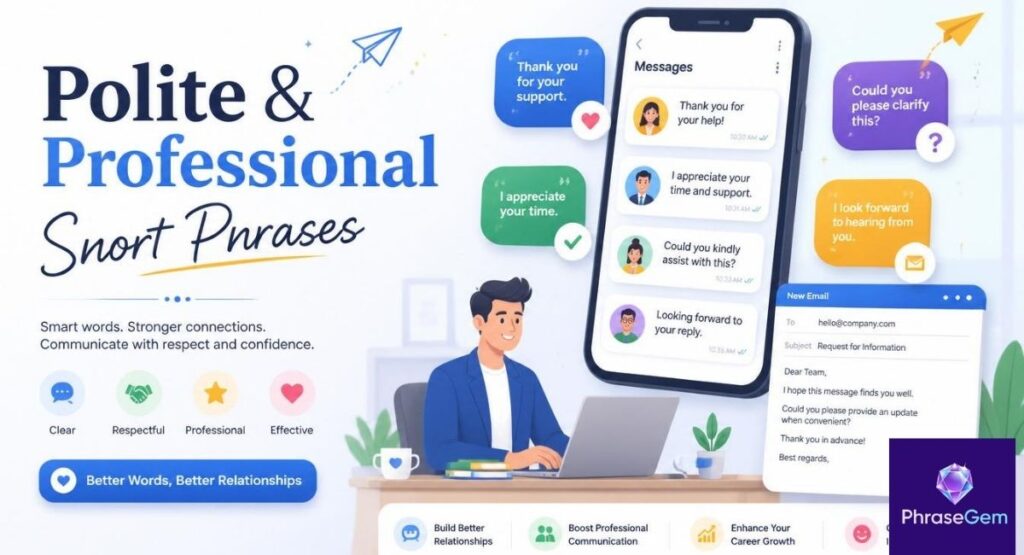
Sometimes you just need a quick, clean closing line. These short phrases work perfectly:
- “Thanks for everything.”
- “It’s been a great run.”
- “Glad we got to work together.”
- “Looking forward to crossing paths again.”
- “Wishing you all the best ahead.”
Short, human, and professional. No fluff needed.
FAQs’
What are other ways to say it was a pleasure working with you?
You can say “I really enjoyed collaborating with you,” “It was a privilege working with you,” or “You’ve been great to work with.”
How do you professionally say it was a pleasure working with someone?
Say “I truly appreciated the opportunity to work with you” or “This collaboration has been genuinely rewarding.” Both sound professional and sincere.
What is a formal alternative to it was a pleasure working with you?
“It was a privilege working with you” or “I sincerely appreciated the experience of working together” are both polished and formal.
How do you say it was a pleasure working with you in an email?
Close your email with “I’ve truly enjoyed this working relationship” or “It was a genuine pleasure collaborating with you on this project.”
What can I say instead of it was a pleasure working with you to a client?
Tell your client, “Your professionalism made working with you a pleasure” or “I valued every moment of our collaboration.”
How do you say goodbye professionally to a coworker?
Keep it warm and simple. “You’ve been an incredibly supportive colleague” or “I’m glad we had the chance to work together” always lands well.
Final Writing Tips: How to Choose the Right Phrase
- Match the tone to the relationship, not just the occasion
- Keep it short and specific rather than long and generic
- Add one real detail about what made the experience great
- Never copy and paste the same line to everyone, people notice
The best phrase is always the one that sounds like you actually mean it.
Read Next: 25+ Other Ways to Say “Sorry for the Inconvenience”

Elliot Fairmont is a language enthusiast and content writer at PhraseGem.com with a passion for making English easier to understand. He specializes in English grammar, phrases, vocabulary, text slang meanings, and everyday communication. Through clear explanations and practical examples, Elliot Fairmont helps readers improve their language skills, expand their vocabulary, and communicate with greater confidence in both personal and professional settings.
When he’s not researching language trends and writing educational content, Elliot Fairmont enjoys reading, exploring modern communication styles, and discovering new ways to make learning English simple and engaging.