
You send the email, hit send, and immediately think “I say sorry for the short notice in every single message.” Whether you are rescheduling a meeting an hour before it starts, sending a client a last-minute request on a Friday afternoon, or asking a colleague to review something due by end of day this phrase shows up every time. Use it too often and it stops meaning anything. People start reading it like fine print there, but ignored.
This article gives you 28 fresh alternatives, each matched to a specific tone and situation so you always pick the right one. From formal client emails to quick team messages, every option here helps you sound professional, human, and thoughtful — not like someone who copied the same line for the hundredth time.
Why “Sorry for the Short Notice” Matters in Professional Emails
This phrase shows respect for someone’s time.
When you send a last-minute request, people have to drop what they’re doing and adjust their plans. Saying sorry for that keeps the relationship warm and professional. It also makes people more likely to say yes.
When Should You Use These Alternatives?
Use a different phrase when the same words start feeling robotic or overused. Here are the most common situations:
| Situation | Best Approach |
| Urgent work deadline | Acknowledge the rush, explain why |
| Meeting rescheduled last minute | Apologize and offer flexibility |
| Formal or senior recipient | Use more polished, respectful wording |
| Casual team message | Keep it simple and brief |
28+ Other Ways to Say “Sorry for the Short Notice”
1. “Apologies for the late notice.”
Meaning: You are sorry for not giving enough time before making a request.
Do: Use this in professional emails when you send a request close to the deadline.
Don’t: Use it too casually or without a reason.
Tone: Formal and respectful
Tip: Follow it with a brief reason to sound more genuine.
Examples:
- Apologies for the late notice, but can we move the meeting to 3 PM today?
- Apologies for the late notice regarding tomorrow’s presentation schedule.
- Apologies for the late notice, I just received this update from the client.
- Apologies for the late notice, please let me know if this works for you.
- Apologies for the late notice about the deadline change.
2. “My apologies for the short turnaround.”
Meaning: You are sorry for giving someone very little time to complete a task.
Do: Use this when you are assigning urgent work with a tight deadline.
Don’t: Use it when the deadline is actually reasonable.
Tone: Professional and considerate
Tip: Pair it with gratitude to soften the pressure on the other person.
Examples:
- My apologies for the short turnaround, but we need this report by noon.
- My apologies for the short turnaround on this proposal.
- My apologies for the short turnaround, the client moved up the deadline.
- My apologies for the short turnaround, please reach out if you need help.
- My apologies for the short turnaround on these last-minute changes.
3. “Thank you for your flexibility on short notice.”
Meaning: You appreciate that someone adjusted their plans quickly for you.
Do: Use this after someone has already helped you or agreed to a last-minute request.
Don’t: Use it before the person has actually responded or helped.
Tone: Warm and appreciative
Tip: This works great as an opening or closing line in a thank-you email.
Examples:
- Thank you for your flexibility on short notice with today’s meeting change.
- Thank you for your flexibility on short notice, it really helped the team.
- Thank you for your flexibility on short notice regarding the event timing.
- Thank you for your flexibility on short notice, I know it was not easy.
- Thank you for your flexibility on short notice with the project deadline.
4. “I apologize for reaching out so late.”
Meaning: You are sorry for contacting someone at the last moment.
Do: Use this when you know you should have reached out earlier.
Don’t: Use it repeatedly with the same person, it loses its value.
Tone: Sincere and slightly formal
Tip: Be honest about why you are reaching out late to keep it genuine.
Examples:
- I apologize for reaching out so late about tomorrow’s schedule.
- I apologize for reaching out so late, I just got the details confirmed.
- I apologize for reaching out so late regarding the team meeting.
- I apologize for reaching out so late, please let me know if you are available.
- I apologize for reaching out so late about the document submission.
5. “I regret the short notice.”
Meaning: You feel bad that you could not inform someone earlier.
Do: Use this in more formal or serious professional situations.
Don’t: Use it in casual conversations or with close colleagues.
Tone: Formal and polished
Tip: This phrase works well in written communication like formal emails or letters.
Examples:
- I regret the short notice regarding the change in venue for Friday’s meeting.
- I regret the short notice on this task but it is quite urgent.
- I regret the short notice, please let me know your availability.
- I regret the short notice about the updated project requirements.
- I regret the short notice and appreciate your quick response.
6. “Sorry for the late heads-up.”
Meaning: You are sorry for warning or informing someone too close to the time.
Do: Use this in informal or semi-formal workplace emails.
Don’t: Use it in formal business communication or with senior executives.
Tone: Casual and friendly
Tip: This phrase fits well in team chats or emails with coworkers you know well.
Examples:
- Sorry for the late heads-up but the call has been moved to 4 PM.
- Sorry for the late heads-up about the office closure tomorrow.
- Sorry for the late heads-up, just wanted to make sure you were in the loop.
- Sorry for the late heads-up on the client meeting change.
- Sorry for the late heads-up, the event starts an hour earlier now.
7. “I appreciate your understanding given the timing.”
Meaning: You are thankful that someone is being patient and understanding about a last-minute situation.
Do: Use this when you sense the other person may be inconvenienced but is still being cooperative.
Don’t: Use it when there is no actual time pressure involved.
Tone: Grateful and empathetic
Tip: This phrase shows emotional awareness and strengthens professional relationships.
Examples:
- I appreciate your understanding given the timing of this request.
- I appreciate your understanding given the timing of the schedule change.
- I appreciate your understanding given the timing, I will keep you updated.
- I appreciate your understanding given the timing of this last-minute task.
- I appreciate your understanding given the timing and the short deadline.
8. “Please excuse the short notice.”
Meaning: You are politely asking someone to forgive you for not giving enough advance warning.
Do: Use this in formal emails or when writing to someone you do not know well.
Don’t: Use it in casual team messages where it may sound too stiff.
Tone: Polite and formal
Tip: This is a classic professional phrase that works well in client-facing emails.
Examples:
- Please excuse the short notice, but we need to reschedule our meeting.
- Please excuse the short notice regarding today’s deadline update.
- Please excuse the short notice, I wanted to inform you as soon as possible.
- Please excuse the short notice about the change in project scope.
- Please excuse the short notice and let me know if you have any questions.
9. “This came up unexpectedly apologies for the timing.”
Meaning: Something happened suddenly and you are sorry that it has affected the other person’s time.
Do: Use this when a situation was genuinely unplanned and out of your control.
Don’t: Use it as an excuse if the situation could have been avoided with better planning.
Tone: Honest and apologetic
Tip: Adding a brief explanation after this line makes it sound more credible and human.
Examples:
- This came up unexpectedly, apologies for the timing of this meeting request.
- This came up unexpectedly, apologies for the timing on the document review.
- This came up unexpectedly, apologies for the timing and any inconvenience caused.
- This came up unexpectedly, apologies for the timing regarding the client call.
- This came up unexpectedly, apologies for the timing of this urgent task.
10. “Thank you for accommodating this on short notice.”
Meaning: You are grateful that someone made room in their schedule or workload for your last-minute request.
Do: Use this after someone has agreed to help you or made a change for your benefit.
Don’t: Use it before getting a confirmation from the other person.
Tone: Warm and professional
Tip: This phrase is great for closing an email after someone has already done you a favor.
Examples:
- Thank you for accommodating this on short notice, it means a lot.
- Thank you for accommodating this on short notice with the meeting reschedule.
- Thank you for accommodating this on short notice, the team really appreciates it.
- Thank you for accommodating this on short notice regarding the proposal review.
- Thank you for accommodating this on short notice, I owe you one.
11. “I realize this is last-minute thank you.”
Meaning: You know your request is coming at the last moment and you are thankful the person is still helping.
Do: Use this when you want to be upfront about the short notice while also showing gratitude.
Don’t: Overuse it with the same person as it can seem like a habit.
Tone: Honest and appreciative
Tip: Keeping it short and direct like this often feels more sincere than a long explanation.
Examples:
- I realize this is last-minute, thank you for making time for the call today.
- I realize this is last-minute, thank you for reviewing the report so quickly.
- I realize this is last-minute, thank you for adjusting your schedule.
- I realize this is last-minute, thank you for helping with the client request.
- I realize this is last-minute, thank you for your quick turnaround.
12. “Apologies for the late change.”
Meaning: You are sorry for making a change to something at the last moment.
Do: Use this when a plan, schedule, or document has changed close to the deadline.
Don’t: Use it without explaining what actually changed.
Tone: Professional and direct
Tip: Always mention what changed after this phrase so the reader is not left confused.
Examples:
- Apologies for the late change to the meeting time, it is now at 2 PM.
- Apologies for the late change in the project deadline.
- Apologies for the late change to the agenda for tomorrow’s session.
- Apologies for the late change, the venue has been updated.
- Apologies for the late change regarding the submission format.
13. “Sorry for the timing.”
Meaning: You are aware that your message or request comes at an inconvenient time.
Do: Use this in short, casual emails or messages where you do not want to over-explain.
Don’t: Use it in formal or high-stakes professional communication.
Tone: Light and informal
Tip: This is a simple and human phrase that works well in quick internal messages.
Examples:
- Sorry for the timing, just wanted to flag this before end of day.
- Sorry for the timing on this, I know you are busy right now.
- Sorry for the timing, can you take a quick look at this?
- Sorry for the timing of this update, the client just confirmed.
- Sorry for the timing, I wanted you to know before the morning.
14. “I appreciate your patience on short notice.”
Meaning: You are thankful that someone stayed calm and cooperative even when given little time.
Do: Use this when the other person has waited or been patient while you sorted things out.
Don’t: Use it if no patience was actually required from the other person.
Tone: Respectful and warm
Tip: This phrase is especially useful in client emails to build trust and goodwill.
Examples:
- I appreciate your patience on short notice while we finalized the details.
- I appreciate your patience on short notice with the contract revisions.
- I appreciate your patience on short notice regarding the delivery update.
- I appreciate your patience on short notice during the schedule change.
- I appreciate your patience on short notice and will keep you posted.
15. “I know this is short notice, thank you for your time.”
Meaning: You acknowledge the inconvenience and are grateful the person gave their time despite it.
Do: Use this at the end of an email when asking for someone’s time or input quickly.
Don’t: Use it as a filler without meaning it.
Tone: Polite and genuine
Tip: This works especially well when requesting a quick meeting or a fast review.
Examples:
- I know this is short notice, thank you for your time on the call today.
- I know this is short notice, thank you for your time reviewing this draft.
- I know this is short notice, thank you for your time with the client update.
- I know this is short notice, thank you for your time on this urgent matter.
- I know this is short notice, thank you for your time and quick response.
16. “Apologies for the limited notice.”
Meaning: You are sorry that you could not give more time or warning before your request.
Do: Use this in formal emails when you want to sound polished and professional.
Don’t: Use it in everyday casual conversation as it can sound overly stiff.
Tone: Formal and courteous
Tip: This is a slightly more refined version of “sorry for the short notice” and works well with clients or executives.
Examples:
- Apologies for the limited notice regarding the board meeting change.
- Apologies for the limited notice on this project update.
- Apologies for the limited notice, I wanted to inform you as soon as I could.
- Apologies for the limited notice about the revised proposal deadline.
- Apologies for the limited notice and thank you for your understanding.
17. “Thank you for your quick attention.”
Meaning: You are grateful that someone responded or acted fast on your request.
Do: Use this after someone has responded quickly or taken fast action.
Don’t: Use it before the person has actually done anything yet.
Tone: Appreciative and professional
Tip: This is a great closing line when someone has already helped you in a time-sensitive situation.
Examples:
- Thank you for your quick attention to this matter.
- Thank you for your quick attention to the revised contract.
- Thank you for your quick attention on the client query.
- Thank you for your quick attention to the schedule update.
- Thank you for your quick attention, it made a real difference today.
18. “I understand this is short notice and appreciate your help.”
Meaning: You recognize the inconvenience you are causing and are genuinely thankful for the support.
Do: Use this when you are asking for a favor that requires quick action from the other person.
Don’t: Use it sarcastically or without a clear request attached to it.
Tone: Honest and appreciative
Tip: This phrase works best when the request is reasonable and the person genuinely has the ability to help.
Examples:
- I understand this is short notice and appreciate your help with the report.
- I understand this is short notice and appreciate your help in attending the call.
- I understand this is short notice and appreciate your help with the client file.
- I understand this is short notice and appreciate your help reviewing this.
- I understand this is short notice and appreciate your help getting this done.
19. “Apologies for the delay in reaching out.”
Meaning: You are sorry that you did not contact the person sooner.
Do: Use this when you know you should have been in touch earlier but were not.
Don’t: Use it if there was no actual delay on your part.
Tone: Sincere and professional
Tip: Follow this with a clear reason to avoid sounding like you are making excuses.
Examples:
- Apologies for the delay in reaching out about the project status.
- Apologies for the delay in reaching out, I was waiting on final confirmation.
- Apologies for the delay in reaching out regarding your earlier question.
- Apologies for the delay in reaching out about the meeting agenda.
- Apologies for the delay in reaching out, I have the update ready now.
20. “Thanks for bearing with the short notice.”
Meaning: You appreciate that someone put up with a last-minute situation without complaints.
Do: Use this in semi-formal or casual professional emails with people you work with regularly.
Don’t: Use it in highly formal communication or with someone you just met.
Tone: Friendly and relaxed
Tip: This phrase feels natural and human, which makes it great for internal team emails.
Examples:
- Thanks for bearing with the short notice on today’s schedule change.
- Thanks for bearing with the short notice, I know it was not ideal.
- Thanks for bearing with the short notice about the meeting cancellation.
- Thanks for bearing with the short notice, you really helped us out.
- Thanks for bearing with the short notice on the last-minute deliverable.
21. “Please forgive the late notice.”
Meaning: You are sincerely asking for understanding because you informed someone too late.
Do: Use this in formal written communication when the situation is genuinely your fault.
Don’t: Use it too often or it starts to feel insincere.
Tone: Humble and formal
Tip: This phrase carries a slightly stronger emotional weight so use it when you truly mean it.
Examples:
- Please forgive the late notice regarding the change in today’s agenda.
- Please forgive the late notice about the project deadline extension.
- Please forgive the late notice, I was only just informed of this change.
- Please forgive the late notice on the event venue update.
- Please forgive the late notice and let me know if you have questions.
22. “This request is time-sensitive thank you.”
Meaning: You are letting someone know that the request is urgent and you are thanking them in advance for acting fast.
Do: Use this when speed is genuinely critical and the person needs to prioritize your request.
Don’t: Use it for every request or people will stop taking the urgency seriously.
Tone: Direct and professional
Tip: Keep the rest of the email short and clear so the person can act quickly without confusion.
Examples:
- This request is time-sensitive, thank you for prioritizing it today.
- This request is time-sensitive, thank you for your quick response.
- This request is time-sensitive regarding the client contract, thank you.
- This request is time-sensitive, thank you for reviewing this before noon.
- This request is time-sensitive, thank you for your help with the proposal.
23. “Apologies for the last-minute request.”
Meaning: You are sorry for making a request at the very last moment.
Do: Use this when you are genuinely asking someone to do something urgently and unexpectedly.
Don’t: Use it if you had time to ask earlier but did not.
Tone: Apologetic and professional
Tip: Adding a quick reason after this line helps the other person understand the context and respond better.
Examples:
- Apologies for the last-minute request, can you send the file by 5 PM?
- Apologies for the last-minute request regarding the presentation slides.
- Apologies for the last-minute request, the client asked for this today.
- Apologies for the last-minute request on the budget summary.
- Apologies for the last-minute request, I really appreciate your help.
24. “Thank you for adjusting on short notice.”
Meaning: You are grateful that someone changed their plans or schedule to accommodate your request.
Do: Use this after someone has already made a change or adjustment for you.
Don’t: Use it as an assumption before the person has agreed to help.
Tone: Warm and thankful
Tip: This is a great way to open a follow-up email after someone has done something helpful for you.
Examples:
- Thank you for adjusting on short notice with the meeting time change.
- Thank you for adjusting on short notice to attend the client call.
- Thank you for adjusting on short notice with the revised deadline.
- Thank you for adjusting on short notice, it really helped us move forward.
- Thank you for adjusting on short notice on the project delivery.
25. “I appreciate your understanding on such short notice.”
Meaning: You are thankful that someone is being patient and cooperative even though you did not give them much time.
Do: Use this when the other person is clearly making an effort despite the inconvenience.
Don’t: Use it if the notice was actually reasonable and planned.
Tone: Sincere and professional
Tip: This phrase is strong in client emails because it shows you value their time and effort.
Examples:
- I appreciate your understanding on such short notice regarding the deadline.
- I appreciate your understanding on such short notice with the schedule update.
- I appreciate your understanding on such short notice about the venue change.
- I appreciate your understanding on such short notice, it means a great deal.
- I appreciate your understanding on such short notice with this urgent task.
26. “Sorry for the compressed timeline.”
Meaning: You are apologizing for giving someone very little time to complete a task or project.
Do: Use this in project or work settings where a timeline has been cut short.
Don’t: Use it in personal or casual emails where it may sound too corporate.
Tone: Professional and direct
Tip: This phrase works well with project managers, designers, or anyone working with deadlines.
Examples:
- Sorry for the compressed timeline on the website redesign project.
- Sorry for the compressed timeline, the client moved the launch date up.
- Sorry for the compressed timeline on the report, let me know if you need help.
- Sorry for the compressed timeline regarding the content submission.
- Sorry for the compressed timeline, I appreciate your effort on this.
27. “Thank you for responding so quickly.”
Meaning: You are grateful that someone replied or acted fast, especially when time was limited.
Do: Use this after you have received a fast reply or action from someone.
Don’t: Use it when the response was actually slow or delayed.
Tone: Appreciative and upbeat
Tip: This is a great way to open a reply email to keep the positive energy going.
Examples:
- Thank you for responding so quickly to my earlier email.
- Thank you for responding so quickly about the project update.
- Thank you for responding so quickly, it helped us meet the deadline.
- Thank you for responding so quickly to the client request.
- Thank you for responding so quickly on such a busy day.
28. “Apologies for the very short notice, thank you for your understanding.”
Meaning: You are doubly acknowledging the situation by both apologizing and expressing gratitude in one line.
Do: Use this when the notice is extremely short and you want to be both apologetic and appreciative at once.
Don’t: Use it when the notice was not actually that short.
Tone: Genuine and professional
Tip: Combining an apology with gratitude in one sentence feels more human and complete.
Examples:
- Apologies for the very short notice, thank you for your understanding on this matter.
- Apologies for the very short notice, thank you for your understanding about the meeting change.
- Apologies for the very short notice, thank you for your understanding with the project update.
- Apologies for the very short notice, thank you for your understanding regarding the deadline.
- Apologies for the very short notice, thank you for your understanding and quick support.
29. “I’m sorry for the late notice and appreciate your flexibility.”
Meaning: You are apologizing for informing someone late while also thanking them for being adaptable.
Do: Use this when someone had to change their plans because of your last-minute message.
Don’t: Use it when no flexibility was actually needed from the other person.
Tone: Warm, apologetic, and appreciative
Tip: This is one of the most complete phrases you can use because it covers both the apology and the appreciation in a single natural sentence.
Examples:
- I am sorry for the late notice and appreciate your flexibility with the meeting time.
- I am sorry for the late notice and appreciate your flexibility on the revised deadline.
- I am sorry for the late notice and appreciate your flexibility in joining the call today.
- I am sorry for the late notice and appreciate your flexibility with the project changes.
- I am sorry for the late notice and appreciate your flexibility, it truly helped the team.
Common Mistakes to Avoid When Apologizing for Short Notice
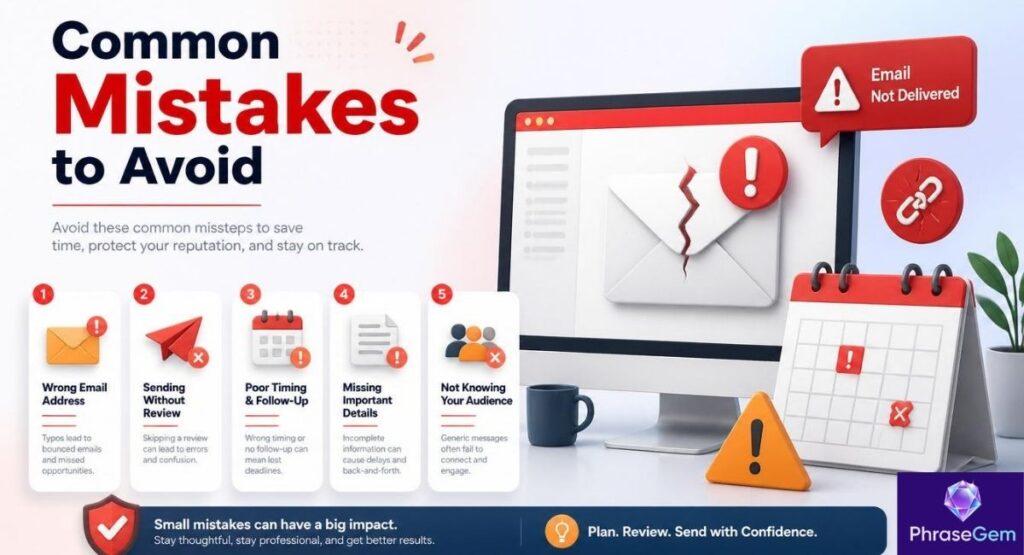
Most people either over-apologize or say nothing at all. Both hurt your professional image.
- Do not apologize more than once in the same email
- Do not use vague phrases like “sorry for everything”
- Do not make the apology longer than the actual request
- Do not fake urgency just to rush someone
- Do not forget to thank the person after they help you
Real Email Examples (Before & After)
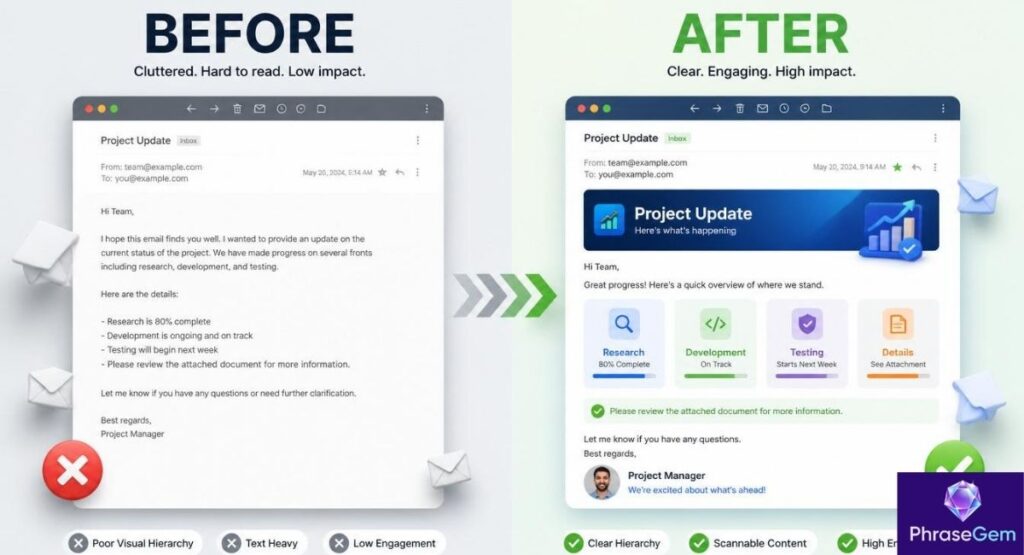
Before (weak): “Hey, meeting is at 3. Sorry or whatever. Come if you can.”
After (strong): “Apologies for the short notice. We have a team meeting today at 3 PM. I hope you can make it and truly appreciate your flexibility.”
Before (weak): “Need the report today. Thanks.”
After (strong): “I understand this is last minute and I appreciate your help. Could you please send the report by end of day? Thank you so much.”
Best Phrases for Different Situations
| Situation | Best Phrase |
| Rescheduling a meeting | “Apologies for the late notice on this change.” |
| Urgent work request | “Sorry for the compressed timeline.” |
| Formal client email | “Please excuse the short notice.” |
| Casual team message | “Sorry for the late heads-up.” |
| Thanking after help | “Thank you for adjusting on short notice.” |
Bonus Section: Short Polite Email Add-Ons
These small lines make your email feel warmer and more human. Drop them in at the start or end.
- “I will make sure to give more notice next time.”
- “Please let me know if this does not work for you.”
- “I truly appreciate you making time for this.”
- “Feel free to reach out if you have any questions.”
- “Thank you again, I do not take your time for granted.”
Final Writing Tips
Keep it short, honest, and human. Here is what actually works:
- Say sorry once and move on to the request
- Always give a reason, even a short one
- End with genuine thanks, not just “regards”
- Match your tone to who you are writing to, formal for clients, relaxed for teammates
- Proofread before sending, a typo in an apology email looks worse than usual
Frequently Asked Questions
What does “sorry for the short notice” mean?
It means you are apologizing for not giving someone enough time before making a request or sharing important information.
When should I say sorry for the short notice in an email?
Use it when you are sending a last-minute request, rescheduling a meeting, or sharing urgent information close to the deadline.
Is “sorry for the short notice” professional?
Yes, it is professional but it sounds weak if overused. Switch it up with fresher alternatives to keep your emails sounding genuine.
What is another way to say sorry for the short notice?
You can say “apologies for the late notice,” “please excuse the short notice,” or “thank you for your flexibility on short notice.”
How do you apologize for short notice in a formal email?
Use phrases like “I regret the short notice” or “please forgive the late notice” to keep the tone polished and respectful.
Can I say sorry for the short notice in a text message?
Yes, in a text you can keep it simple with “sorry for the late heads-up” or “I know this is last minute, thank you.”
How do you thank someone for understanding short notice?
Say “I appreciate your understanding on such short notice” or “thank you for your flexibility, it means a lot.”
Why does sorry for the short notice sound robotic?
Because people use it in every email without changing it. Using the same phrase repeatedly makes it feel automatic rather than sincere.
What is the best phrase for a last-minute work request?
“Apologies for the last-minute request” or “sorry for the compressed timeline” works well in professional work emails.
How do you end an email when you gave short notice?
Close with something warm like “thank you for making time for this” or “I truly appreciate your quick help on this.”
Read Next : 31+ Other Ways to Say “Have a Great Weekend”

Elliot Fairmont is a language enthusiast and content writer at PhraseGem.com with a passion for making English easier to understand. He specializes in English grammar, phrases, vocabulary, text slang meanings, and everyday communication. Through clear explanations and practical examples, Elliot Fairmont helps readers improve their language skills, expand their vocabulary, and communicate with greater confidence in both personal and professional settings.
When he’s not researching language trends and writing educational content, Elliot Fairmont enjoys reading, exploring modern communication styles, and discovering new ways to make learning English simple and engaging.