Writing “thank you for reaching out to me” for the third email in a row starts to feel like copy-pasting your personality away. Whether you’re replying to a job recruiter, responding to a new client, or acknowledging a colleague’s message, the same phrase every time makes you sound like an auto-reply bot. People notice. And when they do, your message loses its warmth before they even finish reading it.
This article gives you 29+ fresh alternatives to “thank you for reaching out to me,” sorted by tone and situation so you always pick the right one. From formal business emails to casual check-ins, each option helps you sound natural, professional, and genuinely human. Keep reading and you’ll never default to the same tired opener again.
How to Reply When Someone Thanks You Back
When someone says “thank you” after you already thanked them, keep it simple and warm.
A short “Of course!”, “Anytime!”, or “Happy to help!” feels natural and ends the exchange on a good note. You don’t need to overthink it just match their energy.
| Situation | Best Reply |
| Casual friend | “Anytime!” / “Of course!” |
| Work colleague | “Happy to help!” / “No problem at all” |
| Stranger | “Sure thing!” / “My pleasure” |
| Formal setting | “It was my pleasure” / “Glad I could assist” |
When Should You Use These Alternatives?
Not every situation calls for the same reply. Use warmer, casual phrases with friends and family. Stick to polished, professional ones at work or with clients. The right choice depends on your relationship with the person and the setting you’re in.
- Use casual phrases with friends, family, or anyone you’re close to
- Use formal phrases in emails, meetings, or with clients
- Use neutral phrases like “Of course” when you’re unsure of the tone
27+ Other Ways to Say “Thank You for Reaching Out to Me”
Here are 30 warm, natural alternatives you can use instead of repeating the same phrase every time. Each one fits a different mood, setting, or relationship so you always sound genuine and professional.
1. “Thank you for getting in touch.”
Meaning: A polite and professional way to acknowledge someone contacted you.
Tone: Formal and warm
Do: Use it in business emails and professional replies.
Don’t: Use it with close friends it sounds too stiff.
Tip: Great as an email opener to set a friendly but professional tone.
Examples:
- Thank you for getting in touch about the job opening.
- Thank you for getting in touch regarding your order.
- Thank you for getting in touch with our support team.
- Thank you for getting in touch so quickly.
- Thank you for getting in touch about your concern.
2. “I appreciate you reaching out.”
Meaning: You’re genuinely grateful the person made the effort to contact you.
Tone: Warm and professional
Do: Use in emails, LinkedIn messages, or client communication.
Don’t: Overuse it in the same conversation it loses its warmth.
Tip: Pair it with a next step so the reply feels complete.
Examples:
- I appreciate you reaching out about this project.
- I appreciate you reaching out to share your feedback.
- I appreciate you reaching out after our meeting.
- I appreciate you reaching out for career advice.
- I appreciate you reaching out with your concerns.
3. “Thanks for contacting me.
Meaning: A simple acknowledgment that someone took the time to connect.
Tone: Neutral and friendly
Do: Use in customer service, support emails, or casual business replies.
Don’t: Use in high-stakes formal letters t can feel too casual.
Tip: Follow it with a helpful response right away.
Examples:
- Thanks for contacting me about your inquiry.
- Thanks for contacting me so promptly.
- Thanks for contacting me through the website.
- Thanks for contacting me with this update.
- Thanks for contacting me about the event details.
4. “Thank you for your message.”
Meaning: A clean, simple way to acknowledge you received someone’s note.
Tone: Polite and neutral
Do: Use in email auto-replies or formal responses.
Don’t: Use it repeatedly in back-and-forth messages it feels robotic.
Tip: Perfect for out-of-office replies or first-touch business emails.
Examples:
- Thank you for your message — I’ll get back to you shortly.
- Thank you for your message about the proposal.
- Thank you for your message regarding the complaint.
- Thank you for your message and your patience.
- Thank you for your message earlier today.
5. “Thanks for reaching out.”
Meaning: A casual, friendly way to say you’re glad someone contacted you.
Tone: Casual and approachable
Do: Use with new contacts, leads, or informal emails.
Don’t: Use in very formal or legal communication.
Tip: One of the most natural openers works in almost any casual setting.
Examples:
- Thanks for reaching out about the partnership.
- Thanks for reaching out — happy to help!
- Thanks for reaching out to our team.
- Thanks for reaching out regarding your request.
- Thanks for reaching out with your question.
6. “I’m glad you reached out.”
Meaning: You’re expressing that hearing from them was a good thing.
Tone: Warm and personal
Do: Use when you genuinely want to build a connection.
Don’t: Use when the topic is a complaint it can sound insincere.
Tip: Great for mentorship, networking, or reconnecting with old contacts.
Examples:
- I’m glad you reached out about this opportunity.
- I’m glad you reached out to discuss your goals.
- I’m glad you reached out let’s set up a call.
- I’m glad you reached out before the deadline.
- I’m glad you reached out to share your story.
7. “Thank you for connecting with me.”
Meaning: Acknowledging someone made the effort to start a relationship or conversation.
Tone: Professional and friendly
Do: Use on LinkedIn or after networking events.
Don’t: Use in customer support it’s too relationship-focused.
Tip: Always follow up with a question or offer to keep the conversation going.
Examples:
- Thank you for connecting with me on LinkedIn.
- Thank you for connecting with me at the conference.
- Thank you for connecting with me about your idea.
- Thank you for connecting with me through the referral.
- Thank you for connecting with me so thoughtfully.
8. “I appreciate you contacting me.”
Meaning: You value the fact that they took the time to contact you.
Tone: Formal and respectful
Do: Use in professional emails, especially in formal industries.
Don’t: Use with friends — it’s too stiff for personal conversations.
Tip: Works well in legal, medical, or corporate communication.
Examples:
- I appreciate you contacting me about this matter.
- I appreciate you contacting me with your inquiry.
- I appreciate you contacting me right away.
- I appreciate you contacting me about the schedule change.
- I appreciate you contacting me through the proper channel.
9. “Thanks for bringing this to my attention.”
Meaning: You’re grateful someone flagged something important you may have missed.
Tone: Professional and appreciative
Do: Use when someone reports a problem, error, or important update.
Don’t: Use for general hellos or introductions it doesn’t fit.
Tip: It shows you take their input seriously, which builds trust.
Examples:
- Thanks for bringing this to my attention so quickly.
- Thanks for bringing this to my attention before the launch.
- Thanks for bringing this billing issue to my attention.
- Thanks for bringing this safety concern to my attention.
- Thanks for bringing this client complaint to my attention.
10. “Thank you for reaching out and letting me know.”
Meaning: Gratitude for both the contact and the information shared.
Tone: Warm and informative
Do: Use when someone shares news or an update along with their message.
Don’t: Use when no new information was shared it won’t make sense.
Tip: It works great as an email opener that leads into your response.
Examples:
- Thank you for reaching out and letting me know about the delay.
- Thank you for reaching out and letting me know you’re interested.
- Thank you for reaching out and letting me know about the error.
- Thank you for reaching out and letting me know your availability.
- Thank you for reaching out and letting me know the status.
11. “Thanks for the update.”
Meaning: A short, direct way to acknowledge new information someone shared.
Tone: Casual and efficient
Do: Use in quick replies, team chats, or follow-up emails.
Don’t: Use as a standalone reply add a follow-up thought.
Tip: Pairs perfectly with a next step like “I’ll look into this now.”
Examples:
- Thanks for the update on the project timeline.
- Thanks for the update — I’ll share this with the team.
- Thanks for the update regarding the shipment.
- Thanks for the update on the meeting schedule.
- Thanks for the update, I’ll act on this right away.
12. “I appreciate your message.”
Meaning: A polished way to show you value what someone sent you.
Tone: Formal and respectful
Do: Use in professional or customer-facing emails.
Don’t: Repeat it multiple times in one thread.
Tip: Works well in replies where you need to start on a positive note.
Examples:
- I appreciate your message about the upcoming event.
- I appreciate your message and will respond shortly.
- I appreciate your message regarding your application.
- I appreciate your message and your patience.
- I appreciate your message detailing your concerns.
13. “Thank you for your inquiry.”
Meaning: A formal acknowledgment of a question or request someone sent.
Tone: Formal and business-like
Do: Use in customer service, sales, or official business replies.
Don’t: Use in casual conversations it’s too formal for personal chat.
Tip: Common in auto-replies and first-touch business communication.
Examples:
- Thank you for your inquiry about our pricing.
- Thank you for your inquiry regarding the job position.
- Thank you for your inquiry we’ll respond within 24 hours.
- Thank you for your inquiry about our services.
- Thank you for your inquiry and your interest in our brand.
14. “Thanks for checking in.”
Meaning: You appreciate someone taking the time to follow up or see how things are going.
Tone: Casual and warm
Do: Use when someone follows up on a project, your health, or a past conversation.
Don’t: Use in formal complaint replies the tone is too light.
Tip: It’s especially nice in team settings or ongoing client relationships.
Examples:
- Thanks for checking in on the project status.
- Thanks for checking in — things are going well!
- Thanks for checking in after our last conversation.
- Thanks for checking in about the delivery.
- Thanks for checking in on how I’m doing.
15. “I’m thankful you contacted me.”
Meaning: A heartfelt way of saying their outreach genuinely meant something to you.
Tone: Sincere and personal
Do: Use when the message truly helped you or made a difference.
Don’t: Use in routine replies it’s too meaningful for everyday emails.
Tip: Save it for moments where the contact had real value or impact.
Examples:
- I’m thankful you contacted me before the issue got worse.
- I’m thankful you contacted me with this opportunity.
- I’m thankful you contacted me to share this news.
- I’m thankful you contacted me about the misunderstanding.
- I’m thankful you contacted me when you did.
16. “Thank you for taking the time to reach out.”
Meaning: You recognize that they made an effort and you don’t take it for granted.
Tone: Warm and appreciative
Do: Use when someone clearly put thought or effort into their message.
Don’t: Use for quick one-line messages where no real effort was needed.
Tip: It makes the other person feel their time was respected and valued.
Examples:
- Thank you for taking the time to reach out about this.
- Thank you for taking the time to reach out with your feedback.
- Thank you for taking the time to reach out and explain.
- Thank you for taking the time to reach out during a busy week.
- Thank you for taking the time to reach out with your suggestion.
17. “I appreciate you getting in touch.”
Meaning: A professional way to show gratitude for someone initiating contact.
Tone: Warm and professional
Do: Use in business emails or replies to new contacts.
Don’t: Use repeatedly in the same email chain.
Tip: A great way to start an email that gets straight to the point after the opener.
Examples:
- I appreciate you getting in touch about the partnership.
- I appreciate you getting in touch so promptly.
- I appreciate you getting in touch with your feedback.
- I appreciate you getting in touch regarding the complaint.
- I appreciate you getting in touch about the proposal.
18. “Thanks for reaching out to discuss this.”
Meaning: You’re acknowledging both the outreach and the specific topic they raised.
Tone: Professional and focused
Do: Use when there’s a clear topic or purpose to the message.
Don’t: Use for general check-ins with no specific topic.
Tip: It shows you read their message and understand why they wrote to you.
Examples:
- Thanks for reaching out to discuss this project.
- Thanks for reaching out to discuss this partnership idea.
- Thanks for reaching out to discuss this issue further.
- Thanks for reaching out to discuss this proposal.
- Thanks for reaching out to discuss this concern.
19. “Thank you for sharing this with me.”
Meaning: Gratitude for someone passing along information, news, or a resource.
Tone: Warm and genuine
Do: Use when someone shares something useful, important, or personal.
Don’t: Use as a replacement for “thanks for contacting me” it’s specific to shared content.
Tip: Works beautifully in responses to articles, reports, or personal updates.
Examples:
- Thank you for sharing this article with me.
- Thank you for sharing this feedback with me.
- Thank you for sharing this update with me.
- Thank you for sharing this opportunity with me.
- Thank you for sharing this news with me.
20. “I’m glad you got in touch.”
Meaning: You’re expressing that their message was welcome and appreciated.
Tone: Friendly and conversational
Do: Use with warm leads, new connections, or friendly professional contacts.
Don’t: Use in very formal correspondence it’s slightly casual.
Tip: Great for building rapport early in a new professional relationship.
Examples:
- I’m glad you got in touch about the opening.
- I’m glad you got in touch before the event.
- I’m glad you got in touch let’s talk more!
- I’m glad you got in touch about this opportunity.
- I’m glad you got in touch to clear this up.
21. “Thanks for your note.”
Meaning: A simple, friendly acknowledgment of a short message or email.
Tone: Casual and light
Do: Use for brief emails, quick check-ins, or informal notes.
Don’t: Use in response to long, detailed messages it can feel dismissive.
Tip: Works well in short replies where you want to sound natural and unbothered.
Examples:
- Thanks for your note about the schedule.
- Thanks for your note I’ll follow up soon.
- Thanks for your note regarding the change.
- Thanks for your note this morning.
- Thanks for your note really helpful!
22. “I appreciate the outreach.”
Meaning: A concise, professional way to value the fact that someone reached out.
Tone: Modern and professional
Do: Use in business or networking contexts, especially in brief replies.
Don’t: Use in personal conversations it sounds corporate.
Tip: Popular in sales and recruiting emails because it’s short and confident.
Examples:
- I appreciate the outreach regarding the position.
- I appreciate the outreach and will review your proposal.
- I appreciate the outreach let’s connect this week.
- I appreciate the outreach about our product.
- I appreciate the outreach and your interest in collaborating.
23. “Thank you for reaching out so quickly.”
Meaning: You’re recognizing and appreciating the speed of their response or contact.
Tone: Positive and encouraging
Do: Use when someone responded fast or reached out right away.
Don’t: Use if their response was actually slow — it’ll sound sarcastic.
Tip: It encourages the other person and sets a fast-paced, positive tone.
Examples:
- Thank you for reaching out so quickly about the issue.
- Thank you for reaching out so quickly after our post.
- Thank you for reaching out so quickly to confirm.
- Thank you for reaching out so quickly with the details.
- Thank you for reaching out so quickly with your reply.
24. “Thanks for letting me know.”
Meaning: A simple, everyday phrase for acknowledging information someone shared.
Tone: Casual and direct
Do: Use in quick replies, team chats, or casual professional emails.
Don’t: Use for major news or emotional messages it can feel too plain.
Tip: One of the most natural phrases in everyday communication.
Examples:
- Thanks for letting me know about the delay.
- Thanks for letting me know I’ll update the team.
- Thanks for letting me know your decision.
- Thanks for letting me know in advance.
- Thanks for letting me know about the change.
25. “I appreciate your interest.”
Meaning: You value that someone showed curiosity or enthusiasm about something you offer.
Tone: Professional and welcoming
Do: Use in sales, job applications, or partnership inquiries.
Don’t: Use in emotional or personal conversations it feels transactional.
Tip: Great for business replies where someone asked about a product or service.
Examples:
- I appreciate your interest in our services.
- I appreciate your interest in the open position.
- I appreciate your interest in collaborating with us.
- I appreciate your interest in the program.
- I appreciate your interest in learning more.
26. “Thank you for initiating contact.”
Meaning: A formal acknowledgment that the other person made the first move.
Tone: Very formal and structured
Do: Use in formal legal, government, or corporate communication.
Don’t: Use in everyday emails it sounds overly stiff.
Tip: Reserve this for very official settings where formal language is expected.
Examples:
- Thank you for initiating contact regarding the matter.
- Thank you for initiating contact with our department.
- Thank you for initiating contact about the complaint.
- Thank you for initiating contact through the official channel.
- Thank you for initiating contact so promptly.
27. “I appreciate you reaching out to me.”
Meaning: A direct, heartfelt way to thank someone for taking the time to connect.
Tone: Warm and professional
Do: Use in emails, LinkedIn messages, or business introductions.
Don’t: Repeat it too often in the same conversation.
Tip: Adding “to me” makes it feel more personal than just “I appreciate you reaching out.”
Examples:
- I appreciate you reaching out to me with this idea.
- I appreciate you reaching out to me for advice.
- I appreciate you reaching out to me about the role.
- I appreciate you reaching out to me so directly.
- I appreciate you reaching out to me with your concern.
28. “Thanks for your email.”
Meaning: A simple, direct acknowledgment that you received and read their email.
Tone: Neutral and professional
Do: Use as a clean, quick opener in email replies.
Don’t: Use in non-email communication like texts or calls it won’t fit.
Tip: Works best when followed immediately by a helpful or actionable response.
Examples:
- Thanks for your email about the contract.
- Thanks for your email — I’ll review it today.
- Thanks for your email regarding the complaint.
- Thanks for your email and the attached documents.
- Thanks for your email about the upcoming deadline.
29. “Thanks for following up with me.”
Meaning: You appreciate that someone circled back after a previous conversation.
Tone: Professional and friendly
Do: Use when someone sends a follow-up email or message after no reply.
Don’t: Use as a first-touch reply it only works for follow-ups.
Tip: It acknowledges their patience and keeps the conversation moving forward.
Examples:
- Thanks for following up with me about the proposal.
- Thanks for following up with me on this issue.
- Thanks for following up with me after our call.
- Thanks for following up with me on the order.
- Thanks for following up with me regarding the interview.
30. “I’m grateful you made contact with me.”
Meaning: A sincere, heartfelt expression of gratitude for someone reaching out.
Tone: Sincere and slightly formal
Do: Use when the contact genuinely meant something or came at an important time.
Don’t: Use in routine or everyday business replies it’s too heavy.
Tip: Save this for meaningful moments like reconnections, referrals, or important introductions.
Examples:
- I’m grateful you made contact with me about this opportunity.
- I’m grateful you made contact with me before it was too late.
- I’m grateful you made contact with me through our mutual friend.
- I’m grateful you made contact with me regarding this matter.
- I’m grateful you made contact with me to share this news.
Common Mistakes People Make When Using These Phrases
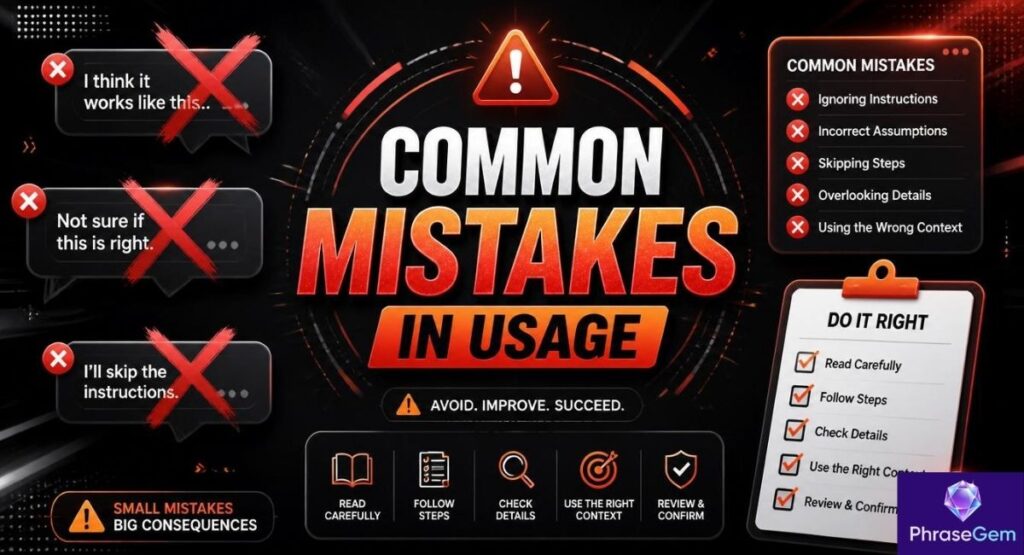
Most people don’t realize they’re using these phrases wrong until it starts to hurt their communication. Here are the biggest mistakes to avoid:
- Using formal phrases like “Thank you for initiating contact” in casual emails it sounds robotic
- Repeating the same phrase multiple times in one conversation
- Using “Thanks for the update” when someone shared something emotional or personal
- Starting every single email with the same opener it loses meaning fast
- Using “I’m grateful you made contact” for routine messages save it for meaningful moments
More Formal vs Informal Usage
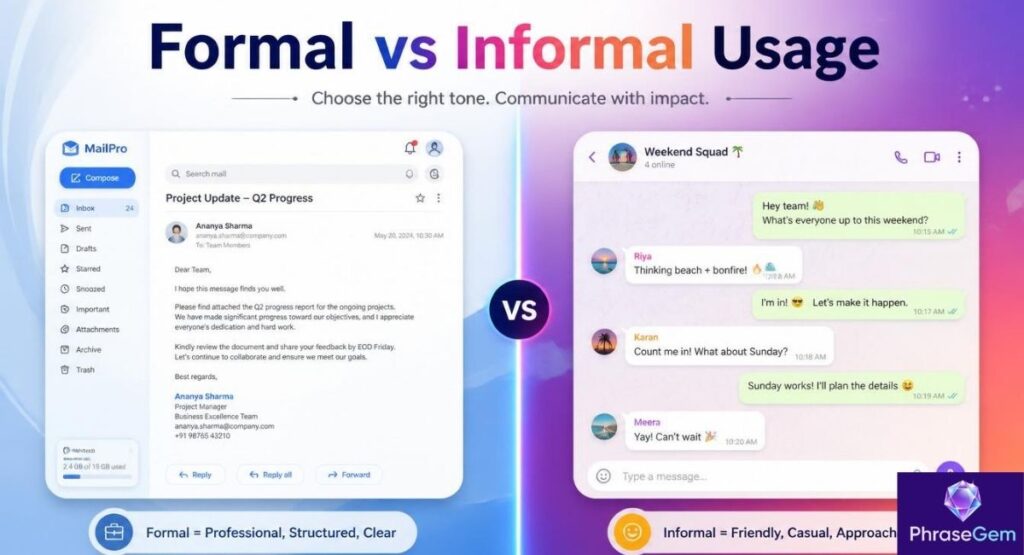
The phrase you pick should always match the situation. Using the wrong tone even with good intentions can make you seem distant or unprofessional.
| Formal | Informal |
| Thank you for your inquiry | Thanks for reaching out |
| I appreciate you contacting me | I’m glad you got in touch |
| Thank you for initiating contact | Thanks for your note |
| I appreciate your message | Thanks for checking in |
| Thank you for reaching out so promptly | Thanks for the update |
Use formal phrases in emails to clients, managers, or official contacts. Use informal ones with colleagues, warm leads, or people you already know.
Bonus Section: Polite and Short Variations You Can Use
Sometimes you just need something quick, clean, and easy to write. These short variations work great in everyday emails and messages without sounding lazy or cold.
- “Good to hear from you!”
- “Happy you reached out.”
- “Glad you messaged me.”
- “Thanks for writing in.”
- “Great to connect!”
- “Appreciate you writing.”
- “So glad you got in touch.”
These are natural, human, and get straight to the point perfect for busy inboxes and quick replies.
Final Writing Tips
Good phrases only work when the rest of your message is just as clear and genuine. Keep these tips in mind every time you write:
- Match your tone to the person formal for clients, casual for teammates
- Always follow your opening phrase with something useful or actionable
- Keep it short one warm sentence is better than three empty ones
- Read your message out loud before sending if it sounds stiff, rewrite it
- Never copy and paste the same opener to everyone people can tell
- When in doubt, simple and warm always beats fancy and cold
Frequently Asked Questions
What does “thank you for reaching out to me” mean?
It means you’re grateful someone took the time to contact or message you. It’s a polite and professional way to acknowledge their effort.
When should I say “thank you for reaching out to me”?
Use it when someone emails, messages, or contacts you first. It works great in professional replies, networking, and customer communication.
Is “thank you for reaching out” formal or informal?
It sits right in the middle it’s polite enough for professional emails but natural enough for everyday conversations too.
What can I say instead of “thank you for reaching out”?
You can say “thanks for getting in touch,” “I appreciate you contacting me,” or “glad you reached out.” All feel natural and genuine.
Is it okay to use “thank you for reaching out” in a professional email?
Yes, absolutely. It’s one of the most widely used and accepted email openers in professional and business communication.
How do you respond when someone thanks you for reaching out?
Simply say “of course,” “happy to help,” or “anytime.” Keep it short, warm, and natural.
Can I use “thank you for reaching out” in a job application reply?
Yes, it works perfectly when replying to a recruiter or hiring manager who first contacted you about a role.
What is a shorter way to say “thank you for reaching out to me”?
“Thanks for reaching out” or “glad you got in touch” are shorter and work just as well in most situations.
Is “thank you for reaching out” overused?
It can feel repetitive if used the same way every time. Mixing it up with natural alternatives keeps your communication fresh and genuine.
How do you professionally thank someone for contacting you?
Say “I appreciate you reaching out” or “thank you for getting in touch.” Follow it with a helpful response to keep things moving.

Elliot Fairmont is a language enthusiast and content writer at PhraseGem.com with a passion for making English easier to understand. He specializes in English grammar, phrases, vocabulary, text slang meanings, and everyday communication. Through clear explanations and practical examples, Elliot Fairmont helps readers improve their language skills, expand their vocabulary, and communicate with greater confidence in both personal and professional settings.
When he’s not researching language trends and writing educational content, Elliot Fairmont enjoys reading, exploring modern communication styles, and discovering new ways to make learning English simple and engaging.